Hey there! As a gear pump supplier, I often get asked about how to calculate the mechanical efficiency of a gear pump. It's a crucial aspect for anyone using or considering buying a gear pump, whether it's for industrial applications or other uses. So, let's dive right into it.
What is Mechanical Efficiency?
Mechanical efficiency is a measure of how well a machine converts input power into useful output power. In the case of a gear pump, it tells us how effectively the pump can take mechanical energy (usually from a motor) and turn it into hydraulic energy to move fluid. A higher mechanical efficiency means less energy is wasted as heat or other forms of loss, which is not only good for the environment but also saves you money in the long run.
The Basic Formula for Mechanical Efficiency
The formula for mechanical efficiency (η) of a gear pump is pretty straightforward:
η = (Output Power / Input Power) × 100%
Let's break down what these terms mean:
-
Output Power: This is the power that the pump actually delivers to the fluid. It's calculated using the following formula:
- Output Power (P_out) = Flow Rate (Q) × Pressure (P)
- The flow rate (Q) is the volume of fluid the pump moves per unit of time, usually measured in liters per minute (L/min) or cubic meters per second (m³/s).
- The pressure (P) is the force per unit area that the pump generates to move the fluid, typically measured in pascals (Pa) or bars.
-
Input Power: This is the power supplied to the pump, usually from an electric motor or an engine. It can be measured directly using a power meter or calculated based on the motor's specifications.
Calculating the Output Power
To calculate the output power, you first need to measure the flow rate and the pressure. Here's how you can do it:
Measuring the Flow Rate
There are several ways to measure the flow rate of a gear pump:
- Volumetric Method: You can collect the fluid pumped over a certain period of time and measure its volume. For example, if you collect 100 liters of fluid in 5 minutes, the flow rate would be 20 L/min.
- Flow Meters: There are various types of flow meters available, such as turbine flow meters, electromagnetic flow meters, and ultrasonic flow meters. These devices can provide accurate and real-time measurements of the flow rate.
Measuring the Pressure
Pressure can be measured using a pressure gauge, which is usually installed at the outlet of the pump. Make sure the pressure gauge is properly calibrated and installed to get accurate readings.
Once you have the flow rate and pressure, you can calculate the output power using the formula P_out = Q × P.
Calculating the Input Power
The input power can be measured directly using a power meter connected to the motor. If you don't have a power meter, you can estimate the input power based on the motor's specifications. The motor's power rating is usually given in kilowatts (kW) or horsepower (hp). However, the actual power consumed by the motor may be different from its rated power, depending on the load and operating conditions.
Example Calculation
Let's say we have a gear pump with the following specifications:
- Flow Rate (Q) = 30 L/min
- Pressure (P) = 10 bar
- Input Power (P_in) = 2 kW
First, we need to convert the flow rate to SI units (m³/s) and the pressure to pascals (Pa):
- 30 L/min = 30 / 60 / 1000 = 0.0005 m³/s
- 10 bar = 10 × 100000 = 1000000 Pa
Now, we can calculate the output power:
- P_out = Q × P = 0.0005 m³/s × 1000000 Pa = 500 W
Finally, we can calculate the mechanical efficiency:
- η = (P_out / P_in) × 100% = (500 W / 2000 W) × 100% = 25%
This means that the gear pump is only 25% efficient, which is quite low. There could be several reasons for this, such as mechanical losses due to friction, leakage, or improper design.
Factors Affecting Mechanical Efficiency
There are several factors that can affect the mechanical efficiency of a gear pump:
- Friction: Friction between the gears, bearings, and other moving parts can cause energy losses. To reduce friction, proper lubrication and maintenance are essential.
- Leakage: Leakage of fluid between the gears and the pump housing can also reduce the efficiency. Seals and gaskets should be checked regularly to ensure they are in good condition.
- Viscosity of the Fluid: The viscosity of the fluid being pumped can affect the efficiency. High-viscosity fluids require more energy to pump, which can reduce the efficiency.
- Operating Conditions: The operating conditions, such as temperature, pressure, and speed, can also affect the efficiency. For example, operating the pump at high temperatures can increase the viscosity of the fluid and reduce the efficiency.
Improving Mechanical Efficiency
To improve the mechanical efficiency of a gear pump, you can take the following steps:

- Proper Maintenance: Regular maintenance, such as lubrication, cleaning, and inspection, can help reduce friction and leakage, which can improve the efficiency.
- Select the Right Pump: Choose a gear pump that is suitable for your application. Consider factors such as flow rate, pressure, and viscosity of the fluid.
- Optimize the Operating Conditions: Operate the pump at the recommended temperature, pressure, and speed to ensure maximum efficiency.
- Use High-Quality Components: Use high-quality gears, bearings, and seals to reduce friction and leakage.
Our Gear Pump Products
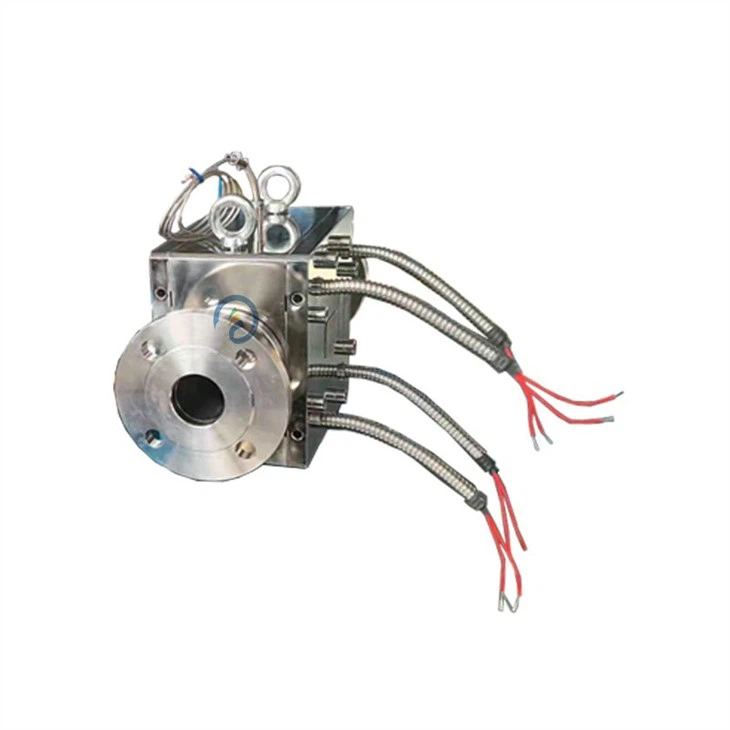
At our company, we offer a wide range of gear pumps to meet your needs. Whether you're looking for a Stainless Steel Electric Heating Gear Metering Pump, an Acid Composite Material Pump, or an EL108 Electric Heating Gear Metering Pump By Customized, we have you covered. Our pumps are designed to be efficient, reliable, and durable, and we offer excellent customer service to ensure your satisfaction.
If you're interested in learning more about our gear pumps or have any questions about calculating mechanical efficiency, please don't hesitate to contact us. We'd be happy to help you find the right pump for your application and answer any questions you may have.
References
- Fluid Mechanics and Hydraulic Machines by R. K. Bansal
- Pump Handbook by Igor J. Karassik, Joseph P. Messina, Paul Cooper, and Charles C. Heald