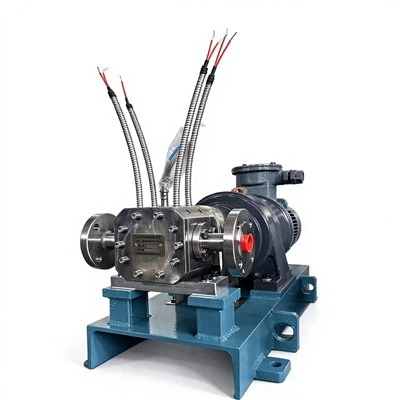
Rotor pumps are widely used in various industries due to their efficiency, reliability, and ability to handle a wide range of fluids. As a rotor pump price supplier, I often encounter customers who are curious about the price differences between rotor pumps with different pumping mechanisms. In this blog post, I will explore the factors that contribute to these price variations and provide insights to help you make an informed purchasing decision.
Understanding Rotor Pump Mechanisms
Before delving into the price differences, it's essential to understand the various pumping mechanisms used in rotor pumps. The most common types include:
- Gear Pumps: Gear pumps operate by using two or more gears to transfer fluid. As the gears rotate, they create chambers that trap and move the fluid from the inlet to the outlet. Gear pumps are known for their simplicity, reliability, and ability to handle high-viscosity fluids.
- Lobe Pumps: Lobe pumps use two or more lobes that rotate within a housing to create a pumping action. The lobes mesh together to form chambers that transport the fluid. Lobe pumps are suitable for handling shear-sensitive fluids and can operate at high speeds.
- Screw Pumps: Screw pumps use one or more screws to move the fluid along the pump's axis. The screws intermesh to create a continuous flow of fluid. Screw pumps are efficient, quiet, and can handle a wide range of viscosities.
Factors Affecting Rotor Pump Prices
Several factors contribute to the price differences between rotor pumps with different pumping mechanisms. These factors include:
1. Design and Complexity
The design and complexity of the pumping mechanism play a significant role in determining the pump's price. Gear pumps, for example, are relatively simple in design and have fewer moving parts compared to lobe or screw pumps. This simplicity often translates into lower manufacturing costs and, consequently, a lower price.
On the other hand, lobe and screw pumps are more complex in design and require precision engineering to ensure proper operation. The additional components and manufacturing processes involved in producing these pumps increase their cost, making them more expensive than gear pumps.
2. Material Selection
The materials used in the construction of the pump also affect its price. Rotor pumps can be made from a variety of materials, including cast iron, stainless steel, and special alloys. The choice of material depends on the application requirements, such as the type of fluid being pumped, the operating temperature, and the level of corrosion resistance needed.
Stainless steel and special alloys are more expensive than cast iron due to their superior properties, such as corrosion resistance and durability. Pumps made from these materials are typically used in applications where the fluid is corrosive or where high levels of hygiene are required, such as in the food and beverage or pharmaceutical industries. As a result, pumps made from stainless steel or special alloys tend to be more expensive than those made from cast iron.
3. Performance and Capacity
The performance and capacity of the pump are important factors to consider when determining its price. Pumps with higher flow rates, pressures, and viscosities generally require more powerful motors and larger components, which increase their cost.
For example, a gear pump with a high flow rate and pressure rating will be more expensive than a similar pump with a lower rating. Similarly, a screw pump designed to handle high-viscosity fluids will be more expensive than a pump designed for low-viscosity applications.
4. Brand and Quality
The brand and quality of the pump also play a role in its price. Well-established brands with a reputation for quality and reliability often command a premium price. These brands invest heavily in research and development, use high-quality materials, and have strict quality control measures in place to ensure the performance and durability of their pumps.
While it may be tempting to choose a cheaper, lesser-known brand to save money, it's important to consider the long-term costs and potential risks associated with lower-quality pumps. Cheaper pumps may require more frequent maintenance and repairs, which can add up over time and offset any initial savings.
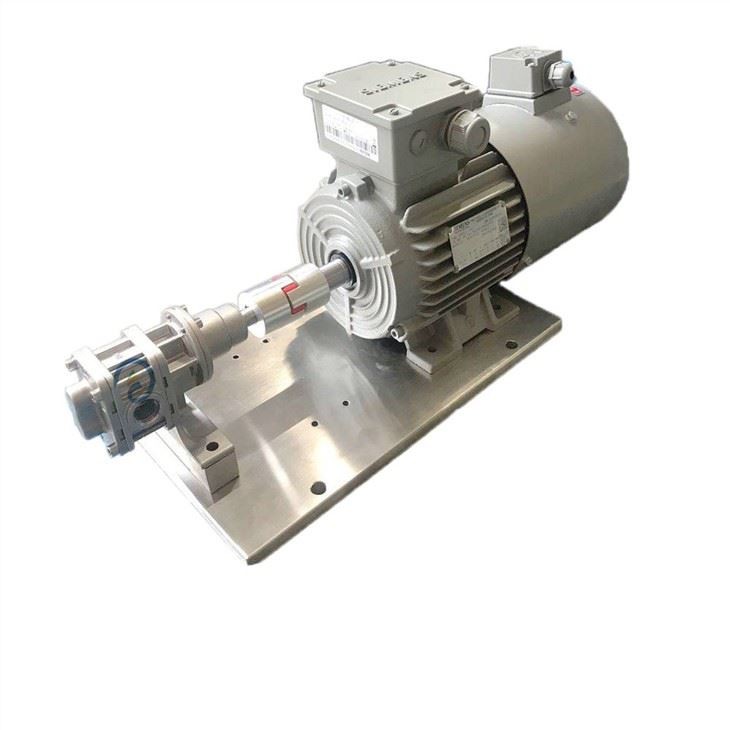

Price Comparison of Different Rotor Pump Mechanisms
To provide a better understanding of the price differences between rotor pumps with different pumping mechanisms, let's compare the prices of some common types of pumps.
Gear Pumps
Gear pumps are generally the most affordable type of rotor pump. They are available in a wide range of sizes and configurations, making them suitable for various applications. The price of a gear pump can range from a few hundred dollars for a small, low-capacity pump to several thousand dollars for a large, high-performance pump.
For example, a small external gear pump with a flow rate of up to 10 gallons per minute (GPM) and a pressure rating of up to 100 pounds per square inch (PSI) may cost around $500 to $1,000. On the other hand, a large industrial gear pump with a flow rate of up to 100 GPM and a pressure rating of up to 500 PSI may cost $5,000 to $10,000 or more.
Lobe Pumps
Lobe pumps are more expensive than gear pumps due to their more complex design and higher performance capabilities. They are commonly used in applications where shear sensitivity and high flow rates are required, such as in the food and beverage, pharmaceutical, and chemical industries.
The price of a lobe pump can range from a few thousand dollars for a small, low-capacity pump to tens of thousands of dollars for a large, high-performance pump. For example, a small lobe pump with a flow rate of up to 20 GPM and a pressure rating of up to 150 PSI may cost around $3,000 to $5,000. A large industrial lobe pump with a flow rate of up to 100 GPM and a pressure rating of up to 300 PSI may cost $10,000 to $20,000 or more.
Screw Pumps
Screw pumps are the most expensive type of rotor pump due to their high efficiency, quiet operation, and ability to handle a wide range of viscosities. They are commonly used in applications where precise metering and high-pressure pumping are required, such as in the oil and gas, chemical, and power generation industries.
The price of a screw pump can range from several thousand dollars for a small, single-screw pump to hundreds of thousands of dollars for a large, multi-screw pump. For example, a small single-screw pump with a flow rate of up to 10 GPM and a pressure rating of up to 200 PSI may cost around $5,000 to $10,000. A large multi-screw pump with a flow rate of up to 1,000 GPM and a pressure rating of up to 1,000 PSI may cost $50,000 to $100,000 or more.
Making an Informed Purchasing Decision
When choosing a rotor pump, it's important to consider your specific application requirements, budget, and long-term goals. While price is an important factor, it should not be the only consideration. You should also evaluate the pump's performance, reliability, and maintenance requirements to ensure that it meets your needs.
If you are looking for a cost-effective solution for handling low-viscosity fluids, a gear pump may be the best option. Gear pumps are simple, reliable, and widely available at a relatively low cost. However, if you need to handle shear-sensitive fluids or require high flow rates and pressures, a lobe or screw pump may be more suitable, despite their higher price.
As a rotor pump price supplier, I can help you select the right pump for your application and provide you with competitive pricing and excellent customer service. We offer a wide range of rotor pumps, including Extrusion Gear Meteirng Pump, Solvent-free Gear Metering Pump, and External Mini Gear Metering Pump. Our pumps are manufactured to the highest quality standards and are backed by our commitment to customer satisfaction.
If you have any questions or would like to discuss your pump requirements in more detail, please do not hesitate to contact us. We look forward to working with you to find the perfect pump solution for your needs.
References
- Karassik, I. J., Messina, J. P., Cooper, P. T., & Heald, C. C. (2008). Pump Handbook. McGraw-Hill Professional.
- Stepanoff, A. J. (1957). Centrifugal and Axial Flow Pumps: Theory, Design, and Application. John Wiley & Sons.
- Walas, S. M. (1988). Chemical Process Equipment: Selection and Design. Butterworth-Heinemann.