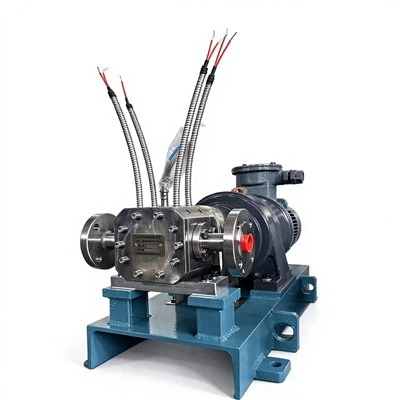
In the industrial domain, the application of grinding agent pumps is extensive, especially in sectors such as mining, cement production, and chemical processing. As a dedicated grinding agent pump supplier, we often receive inquiries from customers in various geographical locations, including high - altitude areas. The question that frequently arises is: Can a grinding agent pump be used in a high - altitude area? This blog aims to delve into this issue from a scientific perspective.
Understanding the Characteristics of High - Altitude Areas
High - altitude areas are defined as regions with an elevation typically over 1500 - 3500 meters above sea level. These areas have several unique environmental characteristics that can potentially affect the operation of grinding agent pumps.
One of the most prominent features is the low atmospheric pressure. As altitude increases, the atmospheric pressure decreases significantly. At sea level, the standard atmospheric pressure is about 101.3 kPa, while at an altitude of 3000 meters, it drops to approximately 70 kPa. This pressure difference can have a direct impact on the fluid flow and the pump's suction performance.
Another characteristic is the low temperature. High - altitude areas generally have colder climates compared to low - lying regions. In winter, temperatures can drop well below freezing point, which can cause the grinding agent to thicken or even solidify if it has poor low - temperature fluidity.
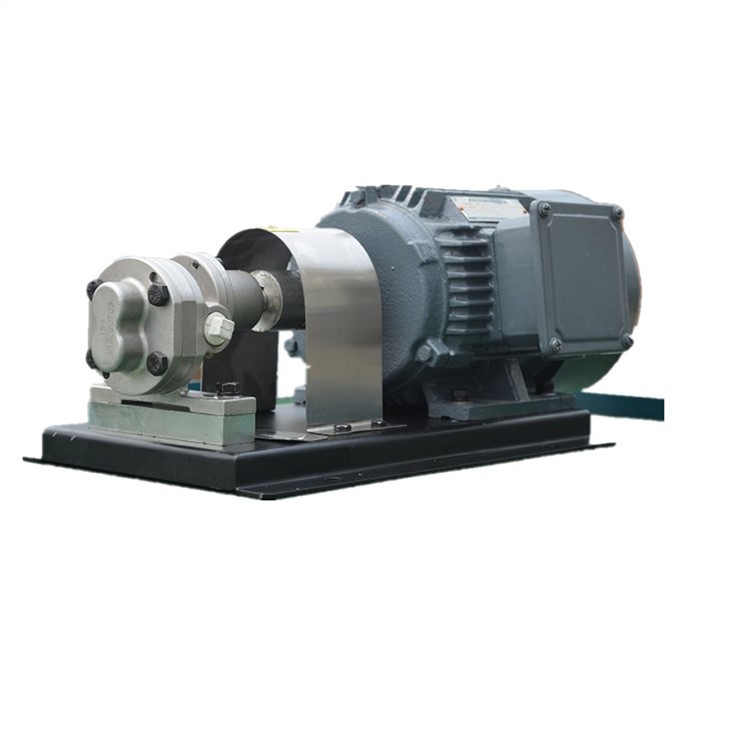

The air density is also lower at high altitudes. This can affect the cooling efficiency of the pump motor, as the heat dissipation relies on the circulation of air around the motor. With less dense air, the heat transfer rate may be reduced, leading to potential overheating issues.
Impact of High - Altitude Conditions on Grinding Agent Pumps
Suction Performance
The suction process of a grinding agent pump is highly dependent on the pressure difference between the pump inlet and the fluid source. In a high - altitude area, the lower atmospheric pressure means that the available pressure head for suction is reduced. For positive displacement pumps like gear pumps, which are commonly used as Dosing Pump For Grinding Agent, the reduced suction pressure can make it more difficult to draw the grinding agent into the pump chamber. This may result in issues such as cavitation, where vapor bubbles form in the fluid due to low pressure, and then collapse, causing damage to the pump components over time.
Fluid Viscosity
As mentioned earlier, the low temperatures in high - altitude areas can increase the viscosity of the grinding agent. When the viscosity of the fluid rises, the resistance to flow through the pump also increases. For a grinding agent pump to maintain its flow rate and pressure output, it needs to work harder against this increased resistance. This can lead to higher energy consumption, and if the pump is not properly sized or rated, it may even fail to deliver the required amount of grinding agent.
Motor Cooling
The pump motor generates heat during operation, and proper cooling is essential to ensure its longevity and reliable performance. In high - altitude areas with low air density, the convective heat transfer coefficient is lower. This means that the rate at which heat is transferred from the motor to the surrounding air is reduced. As a result, the motor may operate at a higher temperature, which can potentially lead to thermal damage, insulation breakdown, and a shorter service life.
Technical Adaptations for High - Altitude Use
Pressure Compensation
To overcome the suction challenges caused by low atmospheric pressure, the grinding agent pump can be equipped with a pressure compensation device. This device can increase the pressure at the pump inlet, ensuring a more stable suction process. For example, a booster pump can be installed upstream of the main grinding agent pump to provide additional pressure.
Low - Temperature Fluid Handling
To address the issue of increased fluid viscosity at low temperatures, we need to choose the right type of grinding agent with good low - temperature fluidity. Additionally, the pump can be designed with features such as heating jackets to maintain the temperature of the grinding agent within an appropriate range. This helps to ensure that the fluid can flow smoothly through the pump.
Enhanced Motor Cooling
There are several ways to improve the motor cooling efficiency in high - altitude areas. One option is to use a more efficient cooling system, such as a liquid - cooled motor. Liquid - cooled systems can transfer heat more effectively than air - cooled systems, regardless of the air density. Another approach is to increase the surface area of the motor's cooling fins, which can enhance the heat dissipation rate.
Case Studies
We have had the opportunity to work with customers in high - altitude regions. In a cement production plant located at an altitude of 2500 meters, the initial installation of a standard Cement Grinding Aid Measurement Pump faced problems with suction and motor overheating. After analyzing the situation, we recommended a modified pump with a pressure compensation device and a liquid - cooled motor. The new setup not only improved the suction performance but also solved the motor overheating issue, resulting in a more stable operation of the cement grinding process.
Advantages of Our Grinding Agent Pumps for High - Altitude Areas
As a professional grinding agent pump supplier, we have the expertise and experience to manufacture pumps that are specifically designed for high - altitude use. Our pumps are built with high - quality materials that can withstand the harsh environmental conditions in high - altitude areas.
We offer a wide range of pumps, including Grinding Aid Pump, which can be customized according to the specific requirements of the high - altitude application. Our technical team can provide comprehensive support, from pump selection to on - site installation and maintenance training.
Conclusion
In conclusion, while high - altitude areas present some challenges for the use of grinding agent pumps, with proper technical adaptations and careful selection of equipment, it is entirely possible to use these pumps effectively in such regions. Our company is committed to providing high - quality grinding agent pumps that are suitable for high - altitude applications.
If you are considering using a grinding agent pump in a high - altitude area, or if you have any questions about our products and services, we encourage you to contact us for a detailed consultation. Our team of experts will be happy to assist you in finding the most suitable solution for your specific needs.
References
- Perry, R. H., & Green, D. W. (1997). Perry's Chemical Engineers' Handbook. McGraw - Hill.
- Karassik, I. J., Messina, J. P., Cooper, P. T., & Heald, C. C. (2008). Pump Handbook. McGraw - Hill.