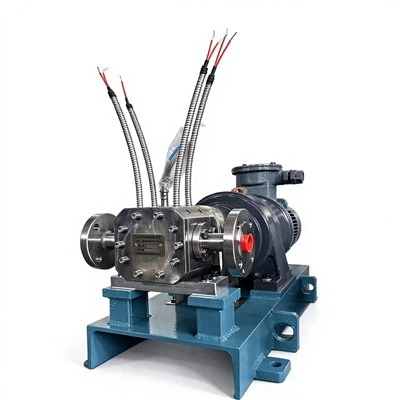
Low temperatures can have a significant impact on the performance of a CAM Rotor Pump, and as a CAM Rotor Pump supplier, understanding these effects is crucial for both us and our customers. In this blog, we will delve into the various ways in which low temperatures can influence the operation of CAM Rotor Pumps and explore strategies to mitigate these challenges.
Viscosity Changes
One of the most prominent effects of low temperatures on fluids is an increase in viscosity. Viscosity refers to a fluid's resistance to flow. As the temperature drops, the molecules in the fluid move more slowly and become more tightly packed, resulting in a higher viscosity. For a CAM Rotor Pump, this change in viscosity can have several implications.
When pumping a highly viscous fluid at low temperatures, the pump has to work harder to move the fluid through the system. The increased resistance can lead to a decrease in flow rate and an increase in pressure within the pump. This extra strain on the pump can cause premature wear and tear on its components, such as the rotors, bearings, and seals. Over time, this can reduce the pump's efficiency and lifespan.

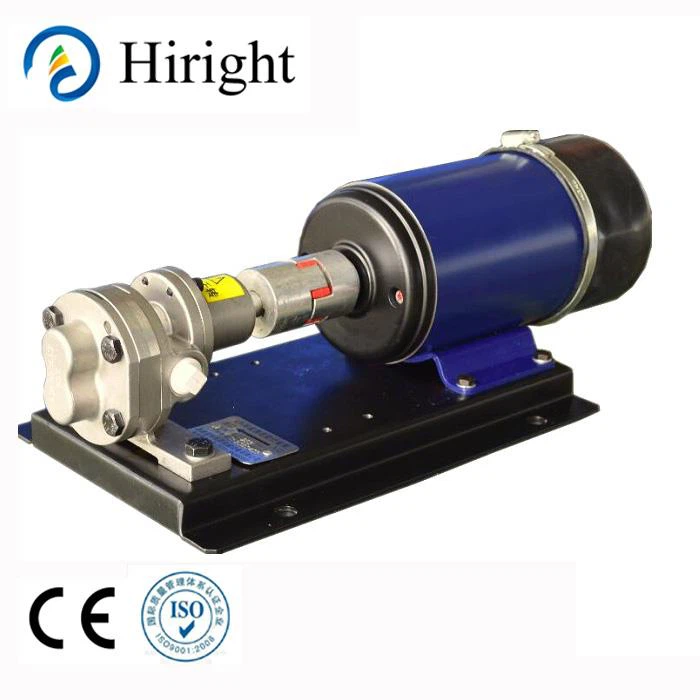
For example, if a CAM Rotor Pump is used to transfer heavy oils or lubricants in a cold environment, the pump may struggle to maintain the desired flow rate. The thickened fluid may not flow smoothly through the pump's chambers, leading to cavitation. Cavitation occurs when the pressure within the pump drops below the vapor pressure of the fluid, causing bubbles to form and collapse. This can result in noise, vibration, and damage to the pump's internal surfaces.
Material Properties
Low temperatures can also affect the material properties of the CAM Rotor Pump's components. Many materials, including metals and polymers, become more brittle at low temperatures. This means that they are more likely to crack or fracture under stress.
The rotors and gears of a CAM Rotor Pump are typically made of metal. At low temperatures, the metal may lose some of its ductility, making it more prone to fatigue and failure. The seals and gaskets in the pump, which are often made of rubber or elastomers, can also become stiff and lose their flexibility. This can lead to leaks and a loss of pump efficiency.
In addition, the electrical components of the pump, such as motors and controllers, may be affected by low temperatures. Cold temperatures can reduce the performance of batteries and capacitors, and may also cause electrical connections to become loose or corroded. This can lead to malfunctions and downtime.
Lubrication
Proper lubrication is essential for the smooth operation of a CAM Rotor Pump. However, low temperatures can affect the performance of lubricants. Most lubricants have a specific temperature range within which they can function effectively. At low temperatures, the lubricant may thicken or solidify, reducing its ability to provide adequate lubrication.
If the lubricant is too thick, it may not be able to reach all the moving parts of the pump, leading to increased friction and wear. On the other hand, if the lubricant solidifies, it can block the flow passages in the pump and cause damage. Therefore, it is important to choose a lubricant that is suitable for the operating temperature of the pump.
Some lubricants are formulated to have a low pour point, which means they can remain fluid at low temperatures. These lubricants are often used in applications where the pump is exposed to cold environments. In addition, regular maintenance and lubricant replacement are necessary to ensure that the pump is properly lubricated at all times.
Strategies to Mitigate the Effects of Low Temperatures
To minimize the impact of low temperatures on the performance of a CAM Rotor Pump, several strategies can be employed.
Fluid Heating
One of the most effective ways to reduce the viscosity of the fluid is to heat it before it enters the pump. This can be done using a heat exchanger or a heating element. By raising the temperature of the fluid, its viscosity will decrease, making it easier for the pump to handle.
However, it is important to ensure that the fluid is not overheated, as this can cause other problems such as thermal degradation. The temperature of the fluid should be carefully monitored and controlled to ensure that it remains within the pump's operating range.
Insulation
Insulating the pump and its piping can help to maintain the temperature of the fluid and prevent heat loss. This can be particularly useful in outdoor applications or in cold environments. Insulation materials such as fiberglass or foam can be used to wrap the pump and pipes, reducing the rate of heat transfer to the surrounding environment.
Lubricant Selection
As mentioned earlier, choosing the right lubricant is crucial for the proper operation of the pump at low temperatures. Lubricants with a low pour point and good cold flow properties should be selected. Regular lubricant analysis and replacement can also help to ensure that the lubricant is still effective in cold conditions.
Pre - start Warm - up
Before starting the CAM Rotor Pump in a cold environment, it may be necessary to warm up the pump and the fluid. This can be done by running the pump at a low speed for a short period of time to gradually increase the temperature. This can help to reduce the stress on the pump's components and improve its performance.
Our Products and Solutions
As a CAM Rotor Pump supplier, we offer a range of pumps that are designed to perform well in various temperature conditions. Our pumps are made of high - quality materials that are resistant to the effects of low temperatures. We also provide technical support and advice to our customers on how to operate and maintain their pumps in cold environments.
In addition to CAM Rotor Pumps, we also offer a variety of other pumping solutions, such as Polyether Polyols Metering Pump, Cast Iron External Gear Metering Pumps, and Rotary Gear Pump with Motor. These pumps are suitable for different applications and can be customized to meet the specific needs of our customers.
If you are facing challenges with pumping fluids in low - temperature environments, we encourage you to contact us. Our team of experts can help you select the right pump and provide solutions to ensure its optimal performance. Whether you need a new pump or advice on improving the performance of your existing pump, we are here to assist you.
Conclusion
Low temperatures can have a significant impact on the performance of a CAM Rotor Pump. The increase in fluid viscosity, changes in material properties, and challenges with lubrication can all lead to reduced pump efficiency, increased wear and tear, and potential failure. However, by understanding these effects and implementing appropriate strategies, such as fluid heating, insulation, proper lubricant selection, and pre - start warm - up, these challenges can be mitigated.
As a CAM Rotor Pump supplier, we are committed to providing high - quality pumps and comprehensive solutions to our customers. If you are interested in learning more about our products or need help with your pumping applications, please do not hesitate to contact us. We look forward to working with you to meet your pumping needs.
References
- Pump Handbook, Karassik, I. J., Messina, J. P., Cooper, P., & Heald, C. C.
- Fluid Mechanics and Thermodynamics of Turbomachinery, Cumpsty, N. A.
- Lubrication Fundamentals, Booser, E. R.