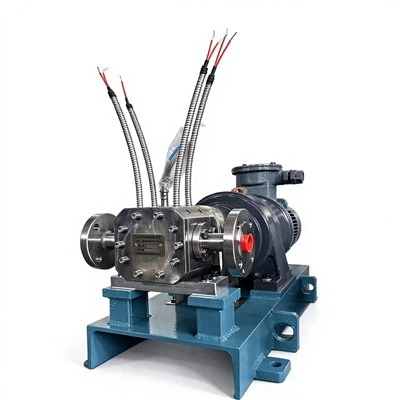
Hey there! As a supplier of Grinding Aid Pumps, I've witnessed firsthand how the quality of these pumps can have a huge impact on the grinding process. In this blog, I'll break down the key ways in which the quality of a Grinding Aid Pump affects the grinding process.
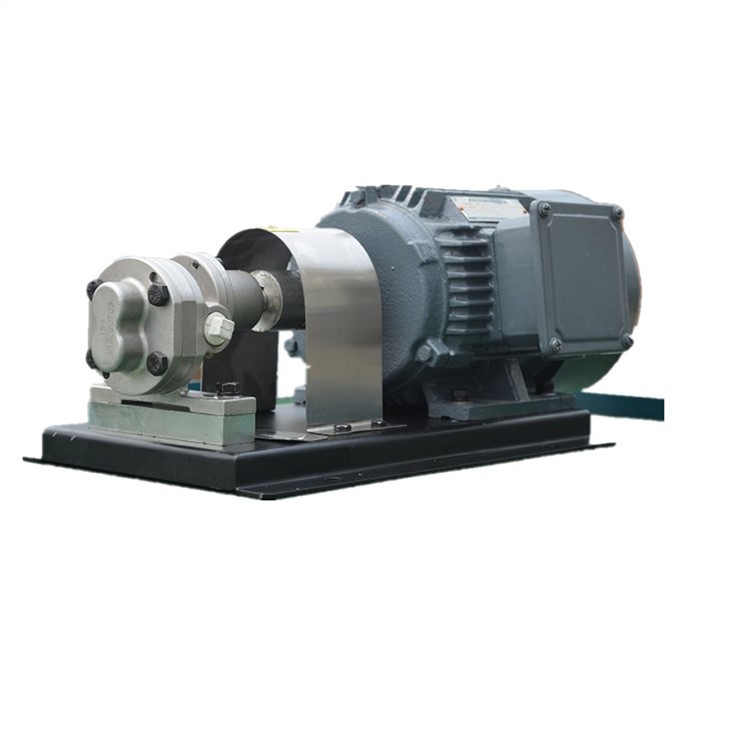

Let's start by understanding what a Grinding Aid Pump does. Essentially, it's responsible for accurately delivering grinding aids to the grinding system. Grinding aids are substances that are added to the grinding process to improve efficiency, reduce energy consumption, and enhance the quality of the final product. And the pump is the crucial link in getting these aids where they need to be.
Accuracy of Dosage
One of the most important aspects of a Grinding Aid Pump is its ability to deliver the right amount of grinding aid at the right time. A high - quality pump will have excellent metering accuracy. When the dosage is accurate, it ensures that the grinding aids are working as effectively as possible.
For example, if too little grinding aid is delivered, it won't be able to achieve the desired effects such as reducing the surface tension of the particles being ground or preventing agglomeration. This can lead to longer grinding times, higher energy consumption, and a less uniform particle size distribution in the final product.
On the other hand, if too much grinding aid is pumped in, it can not only be a waste of resources but also cause issues like over - lubrication, which might affect the chemical and physical properties of the ground material. A quality pump, like the Grinding Agent Metering Pump, is designed to precisely control the flow rate and dosage, ensuring optimal performance in the grinding process.
Consistency of Delivery
Consistency is key in the grinding process. A reliable Grinding Aid Pump should be able to maintain a steady flow of grinding aid over time. Fluctuations in the delivery of grinding aids can disrupt the grinding process.
Imagine a scenario where the pump delivers a large amount of grinding aid in one moment and then very little in the next. This inconsistent supply can lead to uneven grinding results. Some parts of the material might be over - treated, while others are under - treated.
A high - quality pump is built with durable components and advanced control systems to ensure a consistent flow. It can handle the demands of continuous operation without significant variations in the output. For industries like the Chemical Industry Food Industry Abrasive Pumps Gear Pumps, where precision and consistency are crucial, a reliable pump is essential.
Resistance to Wear and Corrosion
Grinding aids can be abrasive and corrosive substances. A low - quality pump might quickly deteriorate when exposed to these chemicals. If the pump wears out or corrodes, it can lead to leaks, reduced flow rates, and ultimately, a breakdown in the delivery of grinding aids.
A good Grinding Aid Pump is made from materials that are resistant to wear and corrosion. For instance, the pump housing might be made of stainless steel or other corrosion - resistant alloys. The internal components, such as the gears or impellers, are also designed to withstand the abrasive nature of the grinding aids.
This resistance to wear and corrosion ensures a longer lifespan for the pump. It reduces the need for frequent replacements and maintenance, which can save both time and money in the long run. A pump like the Cement Grinding Aid Measurement Pump is engineered to handle the harsh conditions associated with cement grinding, where the grinding aids can be particularly abrasive.
Compatibility with Grinding Aids
Not all pumps are suitable for all types of grinding aids. Different grinding aids have different chemical properties, viscosities, and flow characteristics. A quality Grinding Aid Pump is designed to be compatible with a wide range of grinding aids.
If a pump is not compatible with the grinding aid being used, it can lead to problems such as clogging, reduced flow, or chemical reactions that damage the pump. For example, a pump that is not designed to handle high - viscosity grinding aids might struggle to pump the material effectively, resulting in poor delivery and inconsistent grinding performance.
A good supplier will offer pumps that are carefully selected and tested to work well with various grinding aids. They can also provide advice on which pump is best suited for a particular type of grinding aid and grinding process.
Impact on Product Quality
The quality of the Grinding Aid Pump ultimately affects the quality of the final product. When the pump delivers the grinding aid accurately and consistently, it helps to produce a more uniform particle size distribution in the ground material. This is important in many industries, such as cement production, where a specific particle size range is required for optimal performance.
In addition, proper use of grinding aids with a high - quality pump can improve the strength and durability of the final product. For example, in the production of building materials, a well - ground material with the right amount of grinding aid can result in stronger and more reliable structures.
Energy Efficiency
A high - quality Grinding Aid Pump can also contribute to energy efficiency in the grinding process. When the grinding aids are delivered precisely and consistently, the grinding mill can operate more efficiently. The grinding aids help to reduce the friction between the particles being ground, which means less energy is required to achieve the desired level of grinding.
A pump that is well - designed and maintained also consumes less energy itself. It has a higher efficiency rating, which means it can deliver the same amount of grinding aid using less power compared to a lower - quality pump. This not only saves on energy costs but also has a positive impact on the environment.
Long - Term Reliability
In any industrial process, reliability is crucial. A Grinding Aid Pump that breaks down frequently can cause significant disruptions to the grinding process. It can lead to production delays, increased maintenance costs, and a loss of productivity.
A quality pump is built to last. It undergoes rigorous testing during the manufacturing process to ensure its reliability. It has a lower probability of failure, which means fewer interruptions to the grinding process. This long - term reliability gives peace of mind to the operators and allows them to focus on other aspects of the production process.
Ease of Maintenance
Another advantage of a high - quality Grinding Aid Pump is its ease of maintenance. A well - designed pump is usually modular in construction, which means that individual components can be easily replaced if they wear out.
It also comes with clear instructions and easy - to - access maintenance points. This reduces the time and effort required for maintenance, minimizing downtime in the grinding process.
Conclusion
As you can see, the quality of a Grinding Aid Pump plays a vital role in the grinding process. From accurate dosage and consistent delivery to resistance to wear, compatibility with grinding aids, and impact on product quality and energy efficiency, every aspect of the pump's performance matters.
If you're in the market for a Grinding Aid Pump, it's important to choose a high - quality product from a reliable supplier. A good pump can make a significant difference in the efficiency and effectiveness of your grinding process, leading to better products, lower costs, and increased productivity.
If you're interested in learning more about our Grinding Aid Pumps or have any questions about how they can fit into your grinding process, don't hesitate to reach out. We're here to help you find the best solution for your specific needs. Contact us today to start a discussion about your requirements and see how we can improve your grinding process.
References
- Industrial Pump Handbook, Third Edition. A comprehensive guide on pumps used in various industries, which provides insights into the factors affecting pump performance in grinding processes.
- Journal of Cement and Concrete Research. Articles in this journal often discuss the use of grinding aids and the impact of pump quality on cement grinding.
- Grinding Technology: Theory and Applications of Machining with Abrasives. This book offers in - depth knowledge about the grinding process and the role of grinding aids and pumps.