

When it comes to the textile industry, rotor pumps play a crucial role in various processes. They are used for transferring dyes, chemicals, and other viscous fluids efficiently. As a rotor pump price supplier, I often get inquiries about the cost of rotor pumps for the textile industry. In this blog post, I'll delve into the factors that influence the price of these pumps and provide a general overview of the cost range.
Factors Affecting the Cost of Rotor Pumps
Type of Rotor Pump
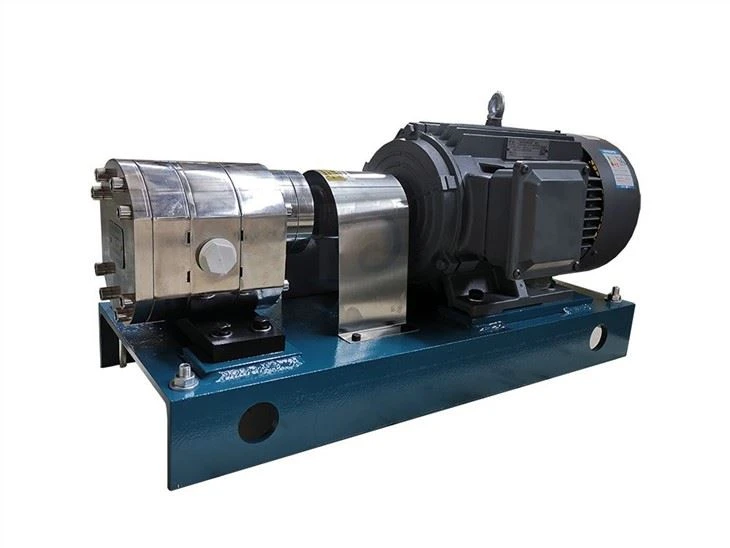
There are different types of rotor pumps available in the market, each with its own unique features and price points. For instance, the Rotary Gear Pump is a popular choice in the textile industry. It operates on the principle of meshing gears to transfer fluid. These pumps are known for their simplicity, reliability, and ability to handle a wide range of viscosities. The cost of a rotary gear pump can vary depending on its size, capacity, and the materials used in its construction.
Another type is the CAM Rotor Pump. CAM rotor pumps are designed with cam-shaped rotors that provide a smooth and gentle pumping action. They are ideal for handling shear-sensitive fluids such as dyes and pigments in the textile industry. Due to their advanced design and functionality, CAM rotor pumps generally have a higher price compared to some other types of rotor pumps.
The Water Glass High Quality Universal Gear Metering Pump is also used in the textile industry, especially for metering applications. These pumps are designed to accurately measure and dispense fluids, which is crucial in processes where precise amounts of chemicals or dyes are required. The high precision and quality of these pumps contribute to their relatively higher cost.
Pump Capacity
The capacity of a rotor pump, which is usually measured in gallons per minute (GPM) or liters per hour (LPH), is a significant factor in determining its price. Pumps with higher capacities are generally more expensive because they require larger components, more powerful motors, and more robust construction to handle the increased flow rate. In the textile industry, the required pump capacity depends on the scale of the production process. A small-scale textile workshop may only need a low-capacity pump, while a large textile manufacturing plant will require a high-capacity pump to meet its production demands.
Material of Construction
The materials used to build the rotor pump also have a major impact on its cost. Pumps can be made from various materials such as cast iron, stainless steel, and special alloys. Cast iron pumps are the most economical option but may not be suitable for handling corrosive fluids. Stainless steel pumps, on the other hand, are more resistant to corrosion and are commonly used in the textile industry, especially when dealing with chemicals and dyes. However, stainless steel is more expensive than cast iron, so pumps made from stainless steel will have a higher price tag. Special alloys are used for pumps that need to handle extremely corrosive or abrasive fluids. These pumps are the most expensive due to the high cost of the materials and the specialized manufacturing processes involved.
Brand and Quality
Well-known brands in the pump industry often charge a premium for their products. This is because they have a reputation for producing high-quality, reliable pumps with excellent after-sales service. A brand that has been in the market for a long time and has a track record of customer satisfaction is likely to have a higher price compared to lesser-known brands. However, it's important to note that higher price doesn't always guarantee the best quality. There are many emerging brands that offer good-quality pumps at a more competitive price. When choosing a rotor pump for the textile industry, it's essential to consider the brand's reputation, product reviews, and the specific requirements of your application.
Additional Features
Some rotor pumps come with additional features that can increase their cost. For example, pumps with variable speed drives allow for more precise control of the flow rate, which can be beneficial in certain textile processes. Pumps with self-priming capabilities are also more convenient to use, especially in applications where the pump needs to be started and stopped frequently. These additional features add value to the pump but also contribute to its higher price.
Cost Range of Rotor Pumps for the Textile Industry
Based on the factors mentioned above, the cost of rotor pumps for the textile industry can vary widely. A basic low-capacity cast iron rotary gear pump may cost anywhere from a few hundred dollars to a couple of thousand dollars. These pumps are suitable for small-scale textile operations or for applications where the fluid being pumped is not highly corrosive.
Medium-capacity stainless steel pumps, such as CAM rotor pumps or high-quality rotary gear pumps, can range from $2,000 to $10,000. These pumps offer better performance, durability, and corrosion resistance, making them a popular choice for medium-sized textile manufacturing plants.
High-capacity pumps with advanced features and made from special alloys can cost upwards of $10,000. These pumps are typically used in large-scale textile production facilities where high flow rates, precise metering, and resistance to harsh chemicals are required.
Making the Right Choice
When considering the cost of a rotor pump for the textile industry, it's important to take a long-term perspective. While it may be tempting to choose the cheapest option, a low-quality pump may end up costing more in the long run due to frequent breakdowns, maintenance costs, and production downtime. On the other hand, overspending on a pump with features that you don't actually need is also not a wise decision.
It's recommended to evaluate your specific requirements carefully, including the type of fluid to be pumped, the required flow rate, and the operating conditions. Consult with a professional pump supplier who can provide expert advice and help you select the most suitable pump for your application at a reasonable price.
Conclusion
In conclusion, the cost of a rotor pump for the textile industry is influenced by several factors, including the type of pump, capacity, material of construction, brand, and additional features. By understanding these factors, you can make an informed decision when purchasing a rotor pump. If you're in the market for a rotor pump for your textile business, I invite you to reach out to me. As a rotor pump price supplier, I have a wide range of pumps to suit different needs and budgets. Let's discuss your requirements and find the perfect pump for your textile operations.

References
- "Pump Handbook" by Igor J. Karassik et al.
- Industry reports on textile manufacturing and pump technology.





