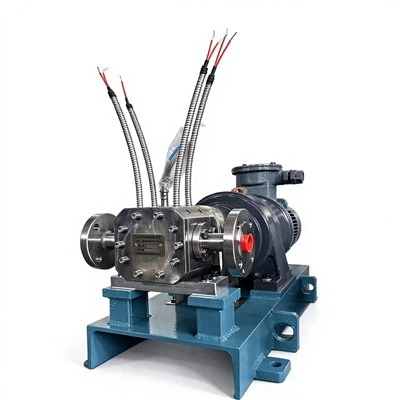
In the realm of hydraulic systems, a geared flow divider plays a pivotal role in ensuring the efficient and balanced distribution of fluid. As a supplier of geared flow dividers, I understand the significance of reliability in these components. A reliable geared flow divider not only enhances the performance of hydraulic systems but also reduces maintenance costs and downtime. In this blog, I will share some insights on how to improve the reliability of a geared flow divider.
Understanding the Basics of Geared Flow Dividers
Before delving into the ways to improve reliability, it's essential to understand how a geared flow divider works. A geared flow divider consists of multiple gear sets that are meshed together. When hydraulic fluid enters the divider, it is split into multiple streams, each flowing through a separate gear set. The gears are designed to ensure that the flow rate in each outlet is proportional to the number of teeth on the corresponding gear. This mechanism allows for precise control of fluid flow in different parts of the hydraulic system.
Quality of Materials
One of the fundamental factors that affect the reliability of a geared flow divider is the quality of materials used in its construction. High - quality materials can withstand the high pressures and harsh operating conditions typically encountered in hydraulic systems. For example, using robust cast iron for the housing of the flow divider can provide excellent durability and resistance to wear and corrosion. Our Robust Cast Iron Housing Synchronous Gear Flow Dividers are designed with this in mind, ensuring long - term reliability in various applications.
The gears themselves should be made from high - strength alloys that can resist deformation and fatigue. These materials should have good machinability to ensure accurate manufacturing of the gear teeth, which is crucial for maintaining the flow division accuracy.
Precision Manufacturing
Precision manufacturing is another key aspect of improving the reliability of a geared flow divider. The gear teeth must be machined with high accuracy to ensure smooth meshing and proper flow distribution. Any irregularities in the gear teeth can lead to uneven flow rates, increased wear, and potential system failures.
Advanced manufacturing techniques, such as computer - numerical - control (CNC) machining, can be used to achieve the required precision. CNC machining allows for tight tolerances and consistent quality in the production of gears and other components of the flow divider. Additionally, quality control measures should be in place throughout the manufacturing process to ensure that each part meets the specified standards.
Proper Installation
Proper installation of the geared flow divider is vital for its reliable operation. Incorrect installation can lead to misalignment of the gears, which can cause excessive wear and premature failure. When installing the flow divider, it is important to follow the manufacturer's instructions carefully.
The mounting surface should be clean, flat, and free of any debris. The flow divider should be securely fastened to prevent any movement during operation. Additionally, the hydraulic connections should be made correctly to ensure a leak - free system. Improper connections can lead to fluid leaks, which not only waste hydraulic fluid but can also cause damage to the surrounding components.
Regular Maintenance
Regular maintenance is essential for ensuring the long - term reliability of a geared flow divider. This includes periodic inspection of the gears, housing, and seals. The gears should be checked for signs of wear, such as pitting or scoring. If any wear is detected, the gears may need to be replaced to prevent further damage.
The seals should also be inspected regularly for leaks. Over time, seals can deteriorate due to exposure to hydraulic fluid and high pressures. Replacing worn seals in a timely manner can prevent fluid leaks and maintain the performance of the flow divider.
Fluid cleanliness is another important aspect of maintenance. Contaminated hydraulic fluid can cause damage to the gears and other components of the flow divider. Therefore, it is recommended to use high - quality hydraulic filters and to change the fluid at regular intervals.
Design Optimization
Design optimization can significantly improve the reliability of a geared flow divider. For example, the design of the flow channels within the divider can be optimized to reduce pressure losses and improve flow distribution. A well - designed flow channel can minimize turbulence and ensure a more uniform flow of fluid through the gears.
The number of sections in the flow divider can also be optimized based on the specific application requirements. Our Max 12 Section Gear Flow Valve Without Relief Valve offers a high - capacity solution for applications that require multiple flow paths. By carefully selecting the number of sections, the flow divider can be tailored to meet the exact needs of the hydraulic system.


Compatibility with the Hydraulic System
The geared flow divider must be compatible with the rest of the hydraulic system. This includes considerations such as the pressure rating, flow rate, and viscosity of the hydraulic fluid. Using a flow divider that is not compatible with the system can lead to performance issues and premature failure.
It is important to consult with hydraulic system experts or the manufacturer of the flow divider to ensure that the selected product is suitable for the specific application. Our best selling products hydraulic gear flow divider is designed to be compatible with a wide range of hydraulic systems, providing a reliable solution for various applications.
Conclusion
Improving the reliability of a geared flow divider is a multi - faceted process that involves using high - quality materials, precision manufacturing, proper installation, regular maintenance, design optimization, and ensuring compatibility with the hydraulic system. As a supplier of geared flow dividers, we are committed to providing products that meet the highest standards of reliability and performance.
If you are in the market for a reliable geared flow divider or have any questions about improving the reliability of your existing system, please feel free to contact us. We are here to assist you in finding the best solution for your hydraulic system needs.
References
- Hydraulic Systems Design and Analysis, by John F. Dini
- Handbook of Hydraulic Fluid Technology, by George W. Morrison