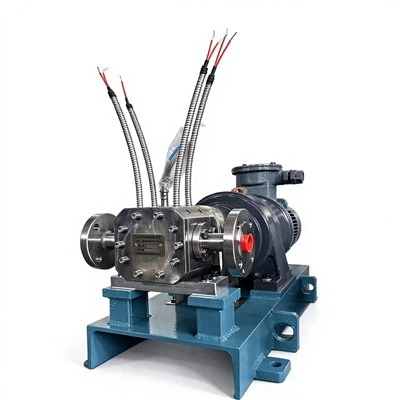
Improving the self-priming ability of a heat preservation gear pump is crucial for ensuring its efficient operation, especially in applications where the pump needs to prime itself quickly and effectively. As a heat preservation gear pump supplier, I understand the significance of this aspect and have gathered insights on how to enhance the self-priming ability of these pumps.
Understanding Self-Priming in Heat Preservation Gear Pumps
Self-priming is the ability of a pump to remove air from the suction line and create a sufficient vacuum to draw liquid into the pump chamber. In heat preservation gear pumps, this process is essential for starting the pumping operation without the need for external priming devices. The self-priming ability is influenced by several factors, including the pump design, the properties of the pumped fluid, and the operating conditions.
Optimizing Pump Design for Better Self-Priming
The design of the heat preservation gear pump plays a vital role in its self-priming ability. Here are some design considerations that can enhance self-priming:
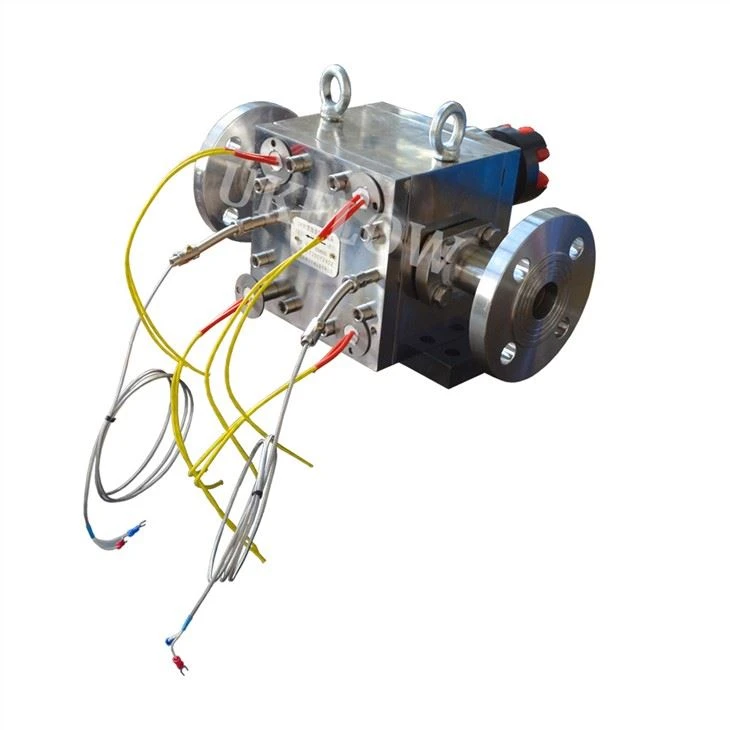

- Proper Clearances: The clearances between the gears and the pump housing should be carefully designed to minimize leakage and ensure efficient pumping. Smaller clearances can improve the pump's ability to create a vacuum and draw in the fluid.
- Volute Design: The volute, which is the spiral-shaped chamber around the impeller, should be designed to optimize the flow of fluid and air. A well-designed volute can help separate the air from the fluid and facilitate the self-priming process.
- Suction Port Design: The suction port should be designed to minimize restrictions and allow for smooth entry of the fluid. A larger suction port diameter can reduce the resistance to flow and improve the self-priming performance.
Selecting the Right Fluid for Self-Priming
The properties of the pumped fluid can significantly affect the self-priming ability of the heat preservation gear pump. Here are some fluid-related factors to consider:
- Viscosity: Fluids with higher viscosities can be more challenging to prime. It is important to select a pump that is suitable for the viscosity of the fluid. In some cases, preheating the fluid can reduce its viscosity and improve the self-priming performance.
- Air Content: Fluids with a high air content can make it difficult for the pump to prime. It is advisable to degas the fluid before pumping to reduce the air content and improve the self-priming ability.
- Temperature: The temperature of the fluid can also affect its viscosity and the pump's self-priming performance. It is important to operate the pump within the recommended temperature range to ensure optimal performance.
Maintaining the Pump for Optimal Self-Priming
Regular maintenance of the heat preservation gear pump is essential for ensuring its long-term self-priming ability. Here are some maintenance tips:
- Inspect and Clean the Pump: Regularly inspect the pump for any signs of wear or damage. Clean the pump components, including the gears, volute, and suction port, to remove any debris or contaminants that may affect the self-priming performance.
- Check the Seals and Gaskets: The seals and gaskets in the pump should be checked regularly for leaks. Replace any worn or damaged seals to prevent air leakage and ensure proper self-priming.
- Lubricate the Pump: Proper lubrication of the pump components is essential for smooth operation and efficient self-priming. Follow the manufacturer's recommendations for lubrication intervals and use the appropriate lubricant.
Using External Priming Aids
In some cases, external priming aids may be required to improve the self-priming ability of the heat preservation gear pump. Here are some common external priming aids:
- Vacuum Priming Systems: Vacuum priming systems can be used to create a vacuum in the suction line and draw the fluid into the pump. These systems are particularly useful for pumps that are difficult to prime or for applications where quick priming is required.
- Priming Tanks: Priming tanks can be used to store a small amount of fluid that can be used to prime the pump. The tank is connected to the suction line, and the fluid is pumped into the tank before starting the pump.
- Air Ejectors: Air ejectors can be used to remove air from the suction line and create a vacuum. These devices work by using a high-velocity jet of fluid to entrain and remove the air.
Case Studies and Examples
To illustrate the importance of improving the self-priming ability of heat preservation gear pumps, let's look at some case studies and examples:
- Case Study 1: A chemical processing plant was experiencing difficulties in priming a heat preservation gear pump used to transfer a viscous chemical. By optimizing the pump design, selecting a more suitable fluid, and using a vacuum priming system, the plant was able to significantly improve the self-priming performance and reduce downtime.
- Case Study 2: An asphalt production facility was using a heat preservation gear pump to transfer hot asphalt. The pump was having trouble priming due to the high viscosity of the asphalt. By preheating the asphalt and using a priming tank, the facility was able to improve the self-priming ability of the pump and increase production efficiency.
Conclusion
Improving the self-priming ability of a heat preservation gear pump is essential for ensuring its efficient operation and reliability. By optimizing the pump design, selecting the right fluid, maintaining the pump properly, and using external priming aids when necessary, you can enhance the self-priming performance of your heat preservation gear pump. As a heat preservation gear pump supplier, we offer a range of high-quality pumps, such as the EL108 Electric Heating Gear Metering Pump By Customized, Heat Preservation External Gear Metering Pump, and Electric Heat System For Convey Asphalt Gear Metering Pump, that are designed to provide excellent self-priming performance. If you are interested in learning more about our products or need assistance with improving the self-priming ability of your heat preservation gear pump, please feel free to contact us for procurement and further discussions.
References
- Karassik, I. J., Messina, J. P., Cooper, P. T., & Heald, C. C. (2008). Pump Handbook. McGraw-Hill Professional.
- Stepanoff, A. J. (1957). Centrifugal and Axial Flow Pumps: Theory, Design, and Application. Wiley.
- Gulich, J. F. (2010). Centrifugal Pumps. Springer.