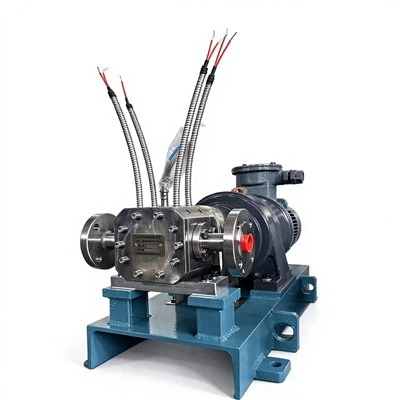
Hey there! As a supplier of Grinding Agent Pumps, I've seen firsthand how crucial it is to keep these pumps running at their best. In this blog, I'll share some tips on how to optimize the performance of a Grinding Agent Pump.
1. Regular Maintenance is Key
Just like a car needs regular oil changes and tune - ups, a Grinding Agent Pump requires consistent maintenance. First off, check the pump's filters regularly. Clogged filters can reduce the flow rate of the grinding agent, putting extra strain on the pump. A dirty filter restricts the smooth passage of the agent, causing the pump to work harder than it should. For a full - sized Grinding Agent Pump, I'd recommend checking the filters at least once a month. If the pump is used in a high - debris environment, you might have to do it more frequently.
Another important part of maintenance is lubrication. The moving parts of the pump, such as the gears in a High Precision Grinding Agent Pump, need proper lubrication to prevent friction and wear. Use a high - quality lubricant recommended by the pump manufacturer. Applying the right amount of lubricant at the right intervals can significantly extend the life of the pump. Usually, a lubrication schedule of every three months is a good starting point, but again, this can vary depending on the pump's usage.


2. Proper Installation
The way you install a Grinding Agent Pump can have a huge impact on its performance. Make sure the pump is installed on a stable surface. A wobbly or uneven installation can cause vibrations, which not only affect the pump's efficiency but also lead to premature wear and tear. Use the appropriate mounting hardware and follow the manufacturer's installation instructions carefully.
When it comes to the piping, ensure that the connections are tight and leak - free. A leak in the piping can result in a loss of pressure, reducing the pump's ability to deliver the grinding agent effectively. Also, pay attention to the pipe diameter. Using a pipe that is too small can create excessive resistance, while a pipe that is too large may not provide enough velocity for the agent to flow properly.
3. Monitoring Operating Conditions
Keep an eye on the pump's operating conditions. One of the most important parameters to monitor is the pressure. If the pressure is too high, it can damage the pump's components. On the other hand, low pressure may indicate a problem with the suction or the pump itself. You can use a pressure gauge to regularly check the pressure and make adjustments as needed.
Temperature is another critical factor. Excessive heat can cause the pump's seals to fail and the lubricant to break down. Install a temperature sensor if possible, and if the pump starts to overheat, shut it down immediately and investigate the cause. It could be due to a lack of proper ventilation, a blocked cooling system, or an issue with the motor.
4. Selecting the Right Pump for the Job
Not all Grinding Agent Pumps are created equal. Different applications require different types of pumps. For example, if you need precise dosing of the grinding agent, a Grinding Agent Metering Pump might be the right choice. These pumps are designed to deliver a specific volume of the agent at a constant rate, which is essential in applications where accuracy is crucial.
If you're dealing with a particularly abrasive or viscous grinding agent, a ZS Series Special Pump could be more suitable. These pumps are built to handle tough conditions and are made with materials that can withstand the wear and tear caused by abrasive agents.
5. Training the Operators
Even the best - maintained and properly installed pump can underperform if the operators don't know how to use it correctly. Provide comprehensive training to the operators on how to start, stop, and adjust the pump. Teach them how to recognize the signs of a problem, such as unusual noises or vibrations.
Operators should also be trained on safety procedures. For example, they should know how to shut down the pump in case of an emergency and how to handle the grinding agent safely. A well - trained operator can not only optimize the pump's performance but also prevent accidents and damage to the equipment.
6. Upgrading and Retrofit
As technology advances, there may be opportunities to upgrade your Grinding Agent Pump. Some manufacturers offer retrofit kits that can improve the pump's efficiency, reduce energy consumption, or enhance its performance in other ways. For example, upgrading the pump's motor to a more energy - efficient model can save you money on electricity bills in the long run.
Before deciding on an upgrade or retrofit, do your research and consult with the pump manufacturer or a professional in the field. They can help you determine if an upgrade is worth the investment and which options are best for your specific pump and application.
7. Troubleshooting
Despite your best efforts, problems may still arise with the Grinding Agent Pump. When this happens, it's important to be able to troubleshoot effectively. If the pump is not delivering the grinding agent at the desired rate, check for blockages in the suction or discharge lines. A blockage can be caused by debris, a build - up of the grinding agent, or a damaged valve.
If the pump is making strange noises, it could be a sign of a mechanical problem, such as a loose or worn - out part. In this case, you may need to disassemble the pump and inspect the components. However, if you're not experienced in pump repair, it's best to call in a professional.
In conclusion, optimizing the performance of a Grinding Agent Pump involves a combination of regular maintenance, proper installation, monitoring, and the right selection of the pump. By following these tips, you can ensure that your pump runs smoothly, efficiently, and for a long time.
If you're in the market for a new Grinding Agent Pump or need advice on optimizing the performance of your existing pump, don't hesitate to reach out. We're here to help you make the best decisions for your needs. Whether you're looking for a high - precision pump or a pump that can handle tough conditions, we've got you covered. Contact us for more information and let's start a great partnership in the world of Grinding Agent Pumps!
References
- Pump Manufacturer's Manuals
- Industry Standards and Guidelines for Pump Operation and Maintenance