Hey there! As a supplier of Rotor Pumps, I've seen my fair share of issues with these nifty pieces of equipment. One problem that often crops up is the reverse rotation of a Rotor Pump. Trust me, it's not just a minor annoyance; it can lead to some serious problems down the line. So, in this blog, I'm gonna share some tips on how to prevent the reverse rotation of a Rotor Pump.
Understanding the Problem
First things first, let's talk about why reverse rotation is such a big deal. When a Rotor Pump runs in reverse, it can cause a whole bunch of issues. For starters, it can reduce the pump's efficiency. The pump is designed to work in a specific direction, and when it runs the other way, it can't move fluid as effectively. This means you might not get the flow rate you need, which can be a real headache if you're relying on the pump for an important process.
Reverse rotation can also damage the pump itself. The internal components of a Rotor Pump are engineered to work in a particular way, and running the pump in reverse can put stress on these parts. Over time, this can lead to wear and tear, and eventually, the pump might break down completely. That's not something you want to deal with, especially if you're in the middle of a project.
Check the Electrical Connections
One of the most common causes of reverse rotation is incorrect electrical connections. When you're installing a Rotor Pump, it's crucial to make sure that the electrical wiring is done right. The motor of the pump needs to be connected to the power source in the correct way to ensure that it rotates in the right direction.
Before you start the pump for the first time, double-check all the electrical connections. Make sure that the wires are properly attached and that there are no loose or frayed ends. If you're not confident in your electrical skills, it's a good idea to have a professional electrician do the installation for you. They'll know exactly what they're doing and can ensure that the pump is wired correctly.
Use a Directional Indicator
Another simple way to prevent reverse rotation is to use a directional indicator. Many modern Rotor Pumps come with a built-in indicator that shows the correct direction of rotation. This can be a real lifesaver, especially if you're not familiar with the pump or if you're working in a hurry.
If your pump doesn't have a built-in indicator, you can easily add one. There are plenty of aftermarket directional indicators available that you can install on the pump. These indicators are usually easy to install and can provide a clear visual cue to help you make sure that the pump is rotating in the right direction.
Install a Reverse Rotation Protection Device
For an extra layer of protection, you can install a reverse rotation protection device. These devices are designed to detect when the pump is running in reverse and automatically shut it down. This can prevent damage to the pump and give you peace of mind knowing that your equipment is protected.
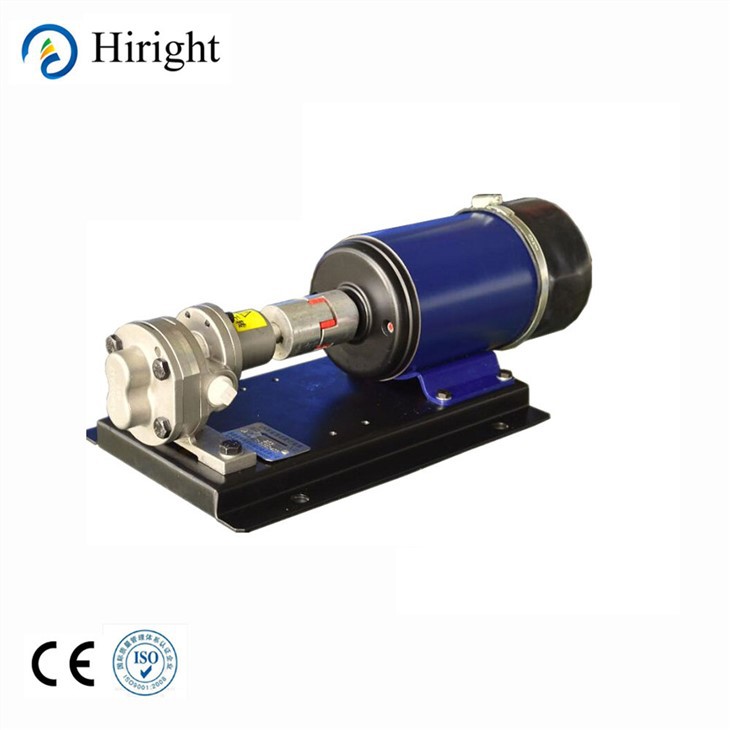

There are different types of reverse rotation protection devices available, including mechanical and electronic ones. Mechanical devices work by using a physical mechanism to detect reverse rotation, while electronic devices use sensors and circuits to monitor the pump's operation. Depending on your needs and budget, you can choose the type of device that's right for you.
Follow the Manufacturer's Instructions
This might seem like a no-brainer, but it's important to follow the manufacturer's instructions when installing and operating your Rotor Pump. The manufacturer knows their product best, and they've provided detailed instructions on how to install, use, and maintain the pump.
Make sure you read the manual carefully before you start working on the pump. Pay attention to any warnings or precautions regarding reverse rotation. The manual might also provide specific steps on how to check the direction of rotation and how to correct it if necessary.
Train Your Staff
If you have a team of employees who will be working with the Rotor Pump, it's essential to train them on how to prevent reverse rotation. Make sure they understand the importance of running the pump in the correct direction and how to check the direction of rotation.
Provide your staff with hands-on training on how to install, operate, and maintain the pump. Show them how to use the directional indicator and the reverse rotation protection device. By ensuring that your staff is well-trained, you can reduce the risk of reverse rotation and other pump-related issues.
Regular Maintenance
Regular maintenance is key to keeping your Rotor Pump in good working condition and preventing reverse rotation. Make sure you follow a regular maintenance schedule and perform tasks such as checking the electrical connections, lubricating the moving parts, and inspecting the pump for any signs of wear or damage.
During maintenance, also check the direction of rotation to make sure it's still correct. If you notice any changes or if the pump seems to be running differently, take a closer look and address the issue immediately.
Consider the Application
Finally, it's important to consider the application when using a Rotor Pump. Different applications might have different requirements, and you need to make sure that the pump is suitable for the specific task. For example, if you're using the pump to transfer a viscous fluid, you might need to adjust the speed or the pressure to ensure that the pump is operating efficiently.
If you're not sure which pump is right for your application, don't hesitate to consult with a pump expert. They can help you choose the best pump for your needs and provide advice on how to prevent reverse rotation and other issues.
Our Range of Pumps
At our company, we offer a wide range of high-quality Rotor Pumps that are designed to meet the needs of various industries. Whether you're looking for a Polyurethane Precision Gear Metering Pump, an Epoxy Resin Gear Metering Pump Extrusion Pump, or a Stainless Steel Sodium Silicate Gear Metering Pump, we've got you covered.
Our pumps are built to last and are designed to operate efficiently and reliably. We also provide excellent customer support and can help you with any questions or issues you might have regarding your pump.
Get in Touch
If you're interested in learning more about our Rotor Pumps or if you have any questions about preventing reverse rotation, don't hesitate to reach out. We're always happy to help and can provide you with the information you need to make an informed decision. Whether you're looking to purchase a new pump or need advice on maintaining your existing one, we're here for you.
References
- Pump Handbook, McGraw-Hill
- Industrial Pump Technology, Elsevier
- Rotor Pump Installation and Maintenance Guide, Various Manufacturers