

As a gear pump supplier, I've seen firsthand how high power consumption can be a real pain point for many of our customers. Not only does it drive up operational costs, but it can also have a negative impact on the environment. That's why I'm here to share some practical tips on how to reduce the power consumption of a gear pump.
Understanding the Basics of Gear Pump Power Consumption
Before we dive into the solutions, let's quickly go over what causes a gear pump to consume power. Essentially, a gear pump works by using two meshing gears to transfer fluid from the inlet to the outlet. The power required to drive the pump depends on several factors, including the pump's flow rate, pressure, and efficiency.
One of the main factors that can increase power consumption is excessive pressure. When a gear pump is operating at a higher pressure than necessary, it has to work harder to move the fluid, which requires more energy. Similarly, if the flow rate is too high, the pump will also consume more power.
Another factor that can affect power consumption is the pump's efficiency. A less efficient pump will require more energy to achieve the same level of performance as a more efficient one. This can be due to a variety of factors, such as worn gears, improper alignment, or a clogged filter.
Tips for Reducing Gear Pump Power Consumption
Now that we understand the basics of gear pump power consumption, let's take a look at some practical tips for reducing it.
1. Optimize the Pump's Operating Conditions
One of the easiest ways to reduce power consumption is to optimize the pump's operating conditions. This includes adjusting the flow rate and pressure to match the system's requirements. By doing so, you can ensure that the pump is operating at its most efficient point, which will reduce the amount of energy it consumes.
To optimize the flow rate, you can use a flow control valve to adjust the amount of fluid that is being pumped. This will allow you to match the flow rate to the system's needs, rather than having the pump operate at a constant, high flow rate.
Similarly, you can use a pressure relief valve to control the pressure in the system. This will prevent the pump from operating at a higher pressure than necessary, which will reduce the amount of energy it consumes.
2. Maintain the Pump Regularly
Regular maintenance is essential for keeping a gear pump operating efficiently. This includes checking the pump's alignment, lubrication, and wear and tear on a regular basis. By doing so, you can identify and address any issues before they become major problems, which will help to reduce power consumption.
One of the most important maintenance tasks is to replace the pump's worn gears. Over time, the gears in a gear pump can wear down, which can reduce the pump's efficiency and increase power consumption. By replacing the worn gears, you can restore the pump's performance and reduce energy consumption.
Another important maintenance task is to clean or replace the pump's filter. A clogged filter can restrict the flow of fluid through the pump, which can increase the pump's workload and energy consumption. By cleaning or replacing the filter regularly, you can ensure that the pump is operating at its most efficient point.
3. Use a High-Efficiency Pump
If you're in the market for a new gear pump, consider investing in a high-efficiency model. These pumps are designed to use less energy than traditional pumps, which can result in significant cost savings over time.
When choosing a high-efficiency pump, look for models that have been designed with advanced features, such as variable speed drives, energy-efficient motors, and optimized hydraulic designs. These features can help to reduce the pump's power consumption without sacrificing performance.
For example, our Corrosion Resistant Metering Pump is designed with a high-efficiency motor and a precision metering mechanism, which allows it to deliver accurate and consistent flow rates while using less energy. Similarly, our High Precision Metering Pump features a variable speed drive, which allows you to adjust the pump's speed to match the system's requirements, reducing energy consumption.
4. Consider Using a Magnetic Drive Pump
Magnetic drive pumps are another option to consider if you're looking to reduce power consumption. These pumps use a magnetic coupling to transfer power from the motor to the impeller, eliminating the need for a traditional shaft seal. This not only reduces the risk of leaks, but it also improves the pump's efficiency by reducing friction and energy losses.
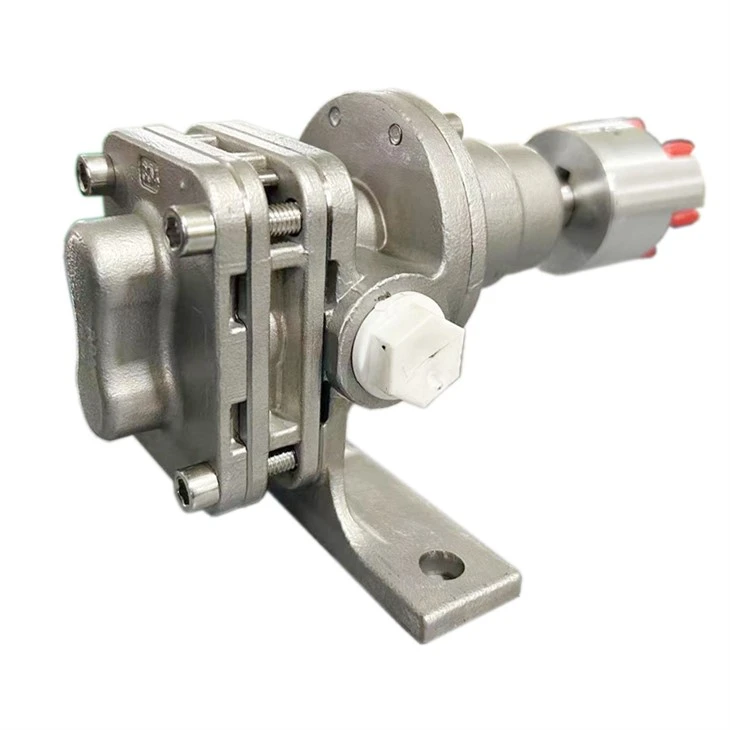

Our Magnetic Drive External Gear Metering Pump is a great example of a magnetic drive pump that offers high efficiency and reliability. This pump is designed with a precision-machined gear set and a powerful magnetic coupling, which allows it to deliver accurate and consistent flow rates while using less energy.
Conclusion
Reducing the power consumption of a gear pump is not only good for the environment, but it can also result in significant cost savings for your business. By optimizing the pump's operating conditions, maintaining it regularly, using a high-efficiency pump, and considering a magnetic drive pump, you can reduce the amount of energy your pump consumes without sacrificing performance.
If you're interested in learning more about how we can help you reduce the power consumption of your gear pump, please don't hesitate to contact us. We'd be happy to discuss your specific needs and recommend the best solutions for your application.
References
- "Gear Pump Basics: How They Work and How to Choose the Right One." Pumps & Systems, 2021.
- "Energy Efficiency in Pumping Systems." Hydraulic Institute, 2020.
- "Magnetic Drive Pumps: How They Work and Their Advantages." Chemical Processing, 2019.





