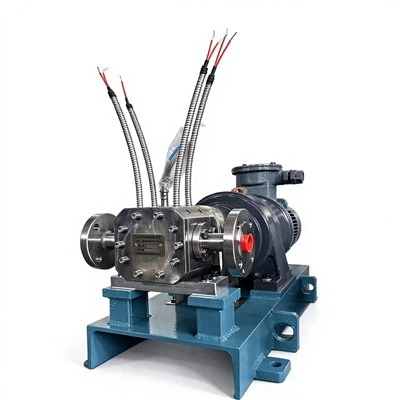
Selecting the right drive for a Grinding Agent Pump is crucial for ensuring optimal performance and efficiency in various industrial applications. As a Grinding Agent Pump supplier, I've seen firsthand how the wrong drive can lead to a host of problems, from reduced pump output to premature wear and tear. In this blog post, I'll share some key factors to consider when choosing a drive for your Grinding Agent Pump.
Understanding the Basics of Grinding Agent Pumps
Before we dive into drive selection, let's quickly go over what a Grinding Agent Pump is and what it does. Grinding Agent Pumps are used to deliver grinding agents, such as grinding aids or lubricants, to the grinding process. These agents help improve the efficiency of the grinding operation by reducing friction, preventing material buildup, and enhancing the quality of the finished product.
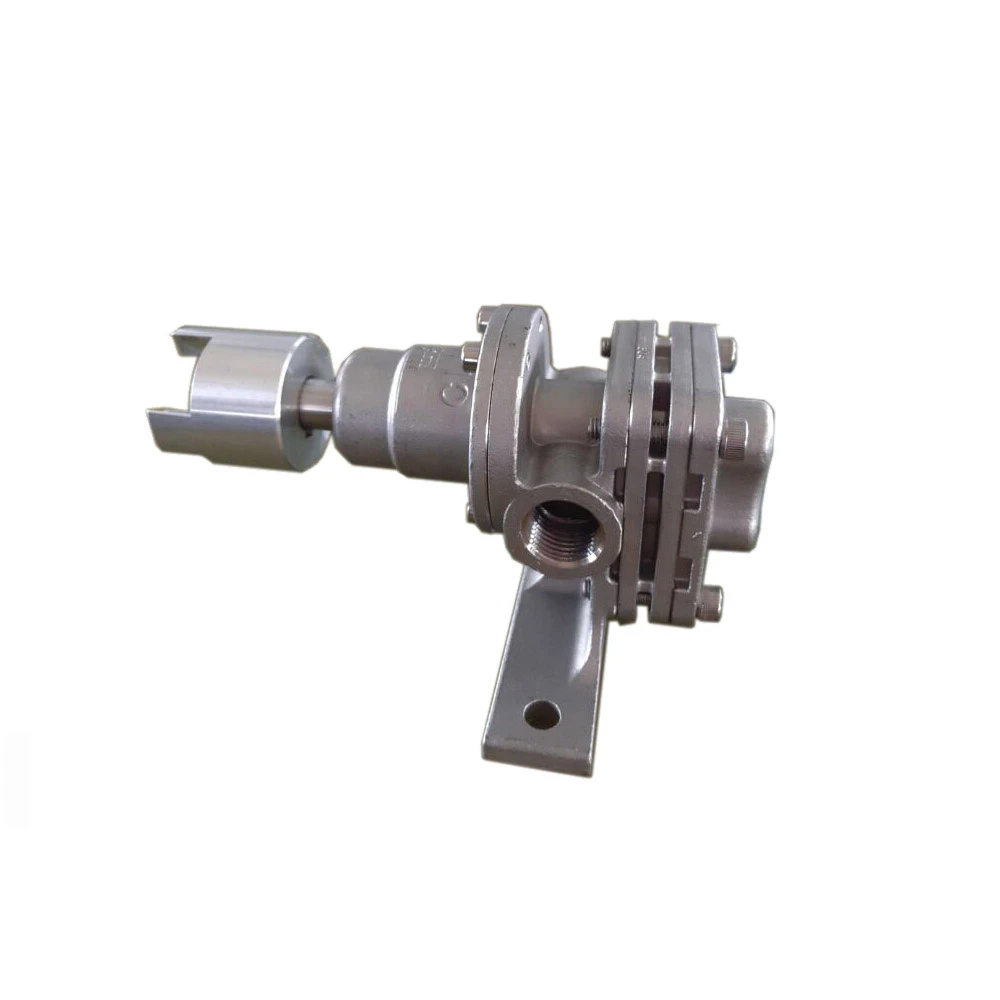
There are several types of Grinding Agent Pumps available on the market, including Stainless Steel Gear Grinding Agent Pump, Grinding Aid Pump, and Cement Grinding Aid Gear Pump. Each type has its own unique features and benefits, so it's important to choose the right pump for your specific application.
Factors to Consider When Selecting a Drive
Now that we have a better understanding of Grinding Agent Pumps, let's take a look at the key factors to consider when selecting a drive for your pump.
1. Pump Requirements
The first step in selecting a drive is to understand the specific requirements of your Grinding Agent Pump. This includes factors such as the pump's flow rate, pressure, and viscosity. The drive you choose must be able to provide the necessary power and torque to meet these requirements.
For example, if your pump requires a high flow rate and pressure, you'll need a drive with a high horsepower rating. On the other hand, if your pump is handling a low-viscosity fluid, you may be able to get away with a smaller, less powerful drive.
2. Drive Type
There are several types of drives available for Grinding Agent Pumps, including electric motors, hydraulic motors, and pneumatic motors. Each type has its own advantages and disadvantages, so it's important to choose the right one for your application.
- Electric Motors: Electric motors are the most common type of drive for Grinding Agent Pumps. They are relatively inexpensive, easy to install, and offer a high level of control. However, they may not be suitable for applications where there is a risk of explosion or where the pump needs to operate in a hazardous environment.
- Hydraulic Motors: Hydraulic motors are often used in applications where high torque and power are required. They are more expensive than electric motors, but they offer better performance and reliability. Hydraulic motors are also suitable for applications where the pump needs to operate in a harsh environment.
- Pneumatic Motors: Pneumatic motors are powered by compressed air and are often used in applications where there is a risk of explosion or where the pump needs to operate in a hazardous environment. They are relatively inexpensive and easy to install, but they offer lower power and torque than electric or hydraulic motors.
3. Speed and Torque
The speed and torque requirements of your Grinding Agent Pump will also play a role in the drive selection process. The drive you choose must be able to provide the necessary speed and torque to meet the pump's requirements.
For example, if your pump requires a high speed and low torque, you'll need a drive with a high-speed motor. On the other hand, if your pump requires a low speed and high torque, you'll need a drive with a low-speed motor.
4. Efficiency
Efficiency is an important factor to consider when selecting a drive for your Grinding Agent Pump. A more efficient drive will consume less energy, which can result in significant cost savings over time.

When choosing a drive, look for one that has a high efficiency rating. You can also consider using a variable frequency drive (VFD) to control the speed of the motor and improve efficiency.
5. Maintenance and Reliability
Finally, it's important to consider the maintenance and reliability of the drive you choose. A drive that requires frequent maintenance or has a high failure rate can be costly and disruptive to your operations.
Look for a drive that is easy to maintain and has a proven track record of reliability. You can also consider purchasing a drive with a warranty to protect your investment.
Conclusion
Selecting the right drive for a Grinding Agent Pump is a critical decision that can have a significant impact on the performance and efficiency of your operations. By considering the factors outlined in this blog post, you can choose a drive that meets the specific requirements of your pump and provides reliable, efficient performance.
If you're in the market for a Grinding Agent Pump or need help selecting the right drive for your application, don't hesitate to contact us. Our team of experts can provide you with the information and support you need to make an informed decision.
References
- "Grinding Agent Pumps: A Comprehensive Guide." Industrial Pump Journal, Vol. 25, No. 3, 2022.
- "Drive Selection for Grinding Agent Pumps." Pump and Valve Magazine, Vol. 18, No. 5, 2021.
- "The Importance of Efficiency in Grinding Agent Pump Drives." Energy Efficiency Journal, Vol. 12, No. 2, 2020.