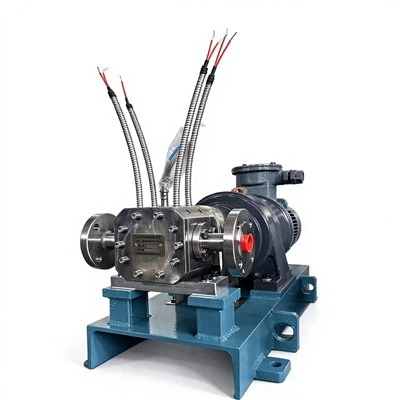
Hey there! As a chemical pump supplier, I'm super stoked to share with you the operating procedures for a chemical pump. Whether you're a newbie in the industry or just looking to brush up on your knowledge, this blog post is for you.
Pre - operation Checks
Before you even think about starting up a chemical pump, there are a bunch of things you need to check. First off, take a good look at the pump itself. Make sure there are no visible signs of damage, like cracks or leaks. Check the alignment of the pump and the motor. If they're not properly aligned, it can cause all sorts of problems down the road, like excessive vibration and premature wear.
Next, check the lubrication. Most chemical pumps need proper lubrication to function smoothly. Make sure the lubricant level is within the recommended range. If it's too low, add the appropriate lubricant. And don't forget to check the quality of the lubricant. If it looks dirty or has a strange smell, it might be time to change it.
Inspect the seals. A good seal is crucial to prevent chemical leaks. Look for any signs of wear or damage on the seals. If you notice any issues, replace the seals right away. For example, our Cartridge Mechanical Seal Heat Preservation Pump comes with high - quality seals that are designed to last.
Also, check the piping system. Ensure that all the pipes are properly connected and there are no blockages. The valves should be in the correct position. Open the suction valve fully and make sure the discharge valve is closed before starting the pump.
Starting the Pump
Once you've completed all the pre - operation checks, it's time to start the pump. First, prime the pump if it's a self - priming type. Priming helps to remove any air from the pump and the suction line, ensuring a smooth flow of the chemical.
Turn on the power supply. If the pump has a control panel, follow the startup instructions on it. Usually, you'll need to press a start button. Keep an eye on the pump as it starts up. Listen for any unusual noises, like grinding or rattling. If you hear anything strange, stop the pump immediately and check for the problem.
As the pump starts, gradually open the discharge valve. This allows the chemical to flow out of the pump at a controlled rate. Monitor the pressure and flow rate on the gauges. Make sure they are within the normal operating range. If the pressure is too high or too low, it could indicate a problem, such as a blockage or a malfunctioning valve.
During Operation
While the pump is running, you need to keep a close eye on it. Check the temperature of the pump and the motor regularly. Overheating can cause serious damage to the pump. If you notice that the temperature is rising above the normal range, stop the pump and find out the cause.
Monitor the flow rate and pressure continuously. Any sudden changes in these parameters could be a sign of a problem. For example, a drop in flow rate might mean there's a blockage in the piping system, while a spike in pressure could indicate a valve is stuck.
Check for any leaks around the pump and the piping. Even a small leak can be a big problem, especially when dealing with chemicals. If you spot a leak, shut down the pump immediately and fix the issue.
Stopping the Pump
When it's time to stop the pump, first close the discharge valve gradually. This helps to prevent a sudden surge in pressure that could damage the pump or the piping system. Then, turn off the power supply to the pump.
After the pump has stopped, drain any remaining chemical from the pump and the piping. This helps to prevent corrosion and damage to the pump components.
Maintenance
Regular maintenance is key to keeping your chemical pump in good working condition. Clean the pump regularly to remove any chemical residues. This helps to prevent corrosion and clogging.
Replace the filters as recommended by the manufacturer. Filters help to remove impurities from the chemical, protecting the pump from damage.
Inspect the pump components regularly for wear and tear. Replace any worn - out parts promptly. For example, if you're using our Novolak Resin Electric Heating Gear Metering Pump, make sure to check the gears and the heating elements regularly.


Troubleshooting
Even with proper operation and maintenance, problems can still occur. If the pump is not running, check the power supply first. Make sure the circuit breaker hasn't tripped and the wiring is intact.
If the pump is making strange noises, it could be due to a misaligned motor, a worn - out bearing, or a blockage in the pump. Check these components and fix the issue.
If there's a leak, check the seals and the gaskets. Replace any damaged parts.
Conclusion
Operating a chemical pump requires careful attention to detail. By following these operating procedures, you can ensure the safe and efficient operation of your pump. Whether you're using our Paraffin Wax Heat Preservation Gear Metering Pump or any other type of chemical pump, proper operation and maintenance are essential.
If you're in the market for a new chemical pump or need help with your existing pump, don't hesitate to reach out. We're here to assist you with all your chemical pump needs. Whether it's choosing the right pump for your application, installation, or maintenance, we've got you covered. So, let's have a chat and get your chemical pumping system running smoothly!
References
- Chemical Pump Manufacturer's Manuals
- Industry Standards for Chemical Pump Operation