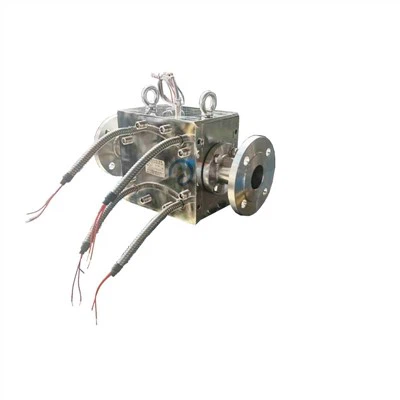
A chemical pump is a specialized device designed to transfer various types of chemicals from one location to another. These pumps play a crucial role in a wide range of industries, including chemical manufacturing, pharmaceuticals, food and beverage, and water treatment. In this blog, we'll delve into what a chemical pump is, its types, applications, and why choosing the right chemical pump is essential. As a chemical pump supplier, we have in - depth knowledge and experience in this field, and we're here to share our insights with you.
What is a Chemical Pump?
A chemical pump is engineered to handle corrosive, abrasive, and high - viscosity chemicals safely and efficiently. It must be able to withstand the harsh chemical environments and provide reliable performance over an extended period. The design of a chemical pump takes into account factors such as the chemical properties of the fluid being pumped (such as pH, temperature, and viscosity), the flow rate required, and the pressure at which the fluid needs to be delivered.
Types of Chemical Pumps
There are several types of chemical pumps, each with its own unique features and applications:
Centrifugal Pumps
Centrifugal pumps are one of the most commonly used types of chemical pumps. They work by using an impeller to create centrifugal force, which moves the fluid through the pump. These pumps are suitable for low - viscosity fluids and can handle a wide range of flow rates. They are relatively simple in design, easy to maintain, and cost - effective.
Positive Displacement Pumps
Positive displacement pumps operate by trapping a fixed amount of fluid and then forcing it through the pump. Examples of positive displacement pumps include piston pumps, diaphragm pumps, and gear pumps.
-
Gear Pumps: Gear pumps are often used for high - viscosity fluids. They consist of two or more gears that mesh together to move the fluid. There are different types of gear pumps, such as the Double Wall External Gear Metering Pump. This type of pump is designed with a double - wall structure, which provides better heat preservation and is suitable for applications where temperature control is crucial. The Electric Heating Gear Metering Pump is another variant. It has an electric heating function, which can maintain the fluid at a proper temperature, especially useful for substances that solidify at lower temperatures. The Heat Preservation Asphalt Gear Metering Pump is specifically designed for handling asphalt, a high - viscosity and temperature - sensitive material.
-
Diaphragm Pumps: Diaphragm pumps use a flexible diaphragm to move the fluid. They are suitable for handling corrosive and abrasive fluids, as the diaphragm separates the fluid from the pump mechanism. This makes them ideal for applications where leakage must be minimized.
Applications of Chemical Pumps
Chemical pumps are used in a variety of industries:
Chemical Manufacturing
In chemical manufacturing plants, chemical pumps are used to transfer raw materials, intermediate products, and finished chemicals. They ensure the smooth flow of production processes and help maintain the quality of the products. For example, in the production of fertilizers, pumps are used to transfer liquid ammonia, phosphoric acid, and other chemicals.
Pharmaceuticals
The pharmaceutical industry requires high - precision and contamination - free pumping systems. Chemical pumps are used to transfer active pharmaceutical ingredients (APIs), solvents, and other fluids during the manufacturing process. They must meet strict regulatory standards to ensure the safety and efficacy of the drugs.
Food and Beverage
In the food and beverage industry, chemical pumps are used to transfer ingredients such as syrups, juices, and dairy products. They must be made of food - grade materials to prevent contamination. For example, in a brewery, pumps are used to transfer wort, beer, and cleaning agents.
Water Treatment
Water treatment plants use chemical pumps to add chemicals such as chlorine, coagulants, and flocculants to the water. These chemicals help in the purification process by removing impurities, disinfecting the water, and adjusting its pH level.
Factors to Consider When Choosing a Chemical Pump
When selecting a chemical pump, several factors need to be considered:
Chemical Compatibility
The pump material must be compatible with the chemical being pumped. For example, if the fluid is highly corrosive, the pump should be made of corrosion - resistant materials such as stainless steel, polypropylene, or fluoropolymers.
Flow Rate and Pressure
The required flow rate and pressure of the pump depend on the specific application. For large - scale industrial processes, high - flow and high - pressure pumps may be needed. On the other hand, for small - scale laboratory applications, a lower flow rate and pressure may be sufficient.
Viscosity of the Fluid
The viscosity of the fluid affects the pump's performance. High - viscosity fluids require pumps with more power and a design that can handle the resistance caused by the thick fluid.
Temperature
The operating temperature of the fluid can also impact the pump's performance. Some pumps are designed to handle high - temperature fluids, while others are more suitable for low - temperature applications.
Why Choose Our Chemical Pumps?
As a chemical pump supplier, we offer a wide range of high - quality chemical pumps. Our pumps are designed and manufactured to meet the highest standards of quality and performance. We use advanced materials and manufacturing techniques to ensure that our pumps can withstand the most challenging chemical environments.
We also provide excellent customer service. Our team of experts can help you select the right pump for your specific application, provide technical support, and offer maintenance and repair services. We understand that every customer has unique needs, and we are committed to providing customized solutions.
Contact Us for Procurement
If you are in the market for a chemical pump, we invite you to contact us for a detailed discussion. Our team will be happy to answer your questions, provide product information, and offer competitive pricing. Whether you need a single pump or a complete pumping system, we have the expertise and resources to meet your requirements. Start your procurement journey with us today and experience the difference in quality and service.


References
- Perry, R. H., & Green, D. W. (Eds.). (1997). Perry's Chemical Engineers' Handbook. McGraw - Hill.
- Walas, S. M. (1990). Chemical Process Equipment: Selection and Design. Butterworth - Heinemann.