

The cost of a gear metering pump is a multifaceted topic that encapsulates a wide range of factors, from the intrinsic costs associated with manufacturing to the practical implications for end - users. As a gear metering pump supplier, I'm well - positioned to delve into the various elements that contribute to the overall cost of these vital industrial components.
1. Manufacturing and Material Costs
The production of gear metering pumps begins with the selection of appropriate materials. High - quality materials are essential for ensuring the durability, precision, and performance of the pumps. For instance, many gear metering pumps are made from stainless steel due to its excellent corrosion - resistance properties. Stainless steel is more expensive than other metals, but it extends the pump's lifespan, especially when dealing with aggressive chemicals or in harsh industrial environments.
The manufacturing process also plays a significant role in determining the cost. Precision machining is required to create the gears and other components of the pump. The accuracy of the gears is crucial for metering applications, as even a small deviation can lead to inaccurate flow rates. Advanced manufacturing techniques, such as computer - numerical - control (CNC) machining, are often employed to achieve the necessary precision. These techniques require specialized equipment and highly skilled operators, all of which add to the production cost.
2. Design and Engineering Costs
Designing a gear metering pump is a complex process that involves extensive research and development. Engineers need to consider factors like flow rate, pressure, viscosity of the fluid being pumped, and the specific application of the pump. For example, a Gear Metering Pump With High Precision requires a more sophisticated design to achieve the desired level of accuracy. This may involve the use of advanced software for fluid dynamics simulations to optimize the internal geometry of the pump.
The cost of engineering teams, research facilities, and development time all contribute to the final price of the pump. Additionally, continuous innovation in pump design is necessary to keep up with changing industry requirements and technological advancements. This means that companies are constantly investing in new design concepts and improvements, which in turn impacts the cost of the end - product.
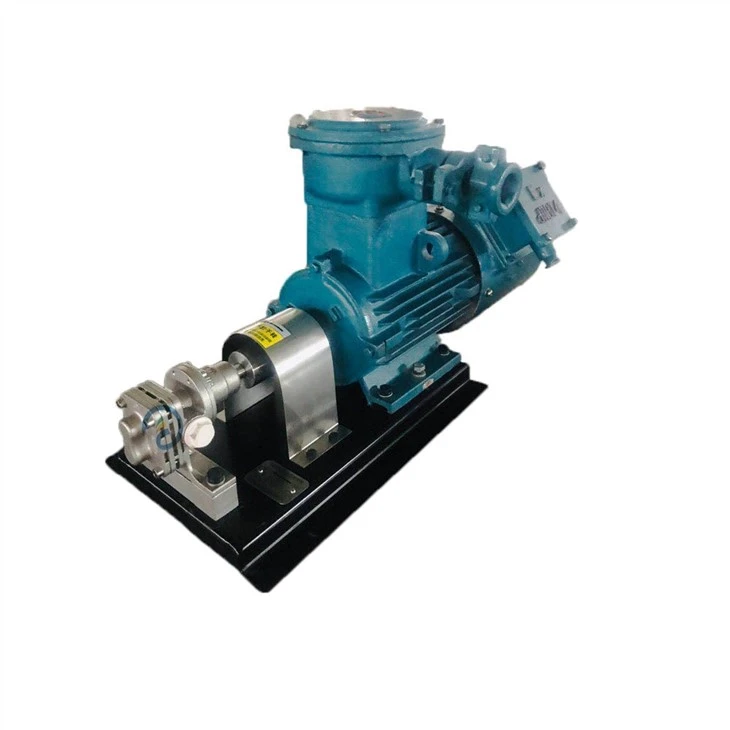

3. Pump Size and Capacity
The size and capacity of a gear metering pump are directly related to its cost. Larger pumps with higher flow rates and greater capacities generally cost more than smaller ones. This is because they require more raw materials for manufacturing. For example, a pump designed for high - volume industrial applications will have larger gears, a bigger housing, and more massive components compared to a small - scale laboratory pump.
Moreover, the power requirements for larger pumps are higher. They may need more powerful motors or other driving mechanisms to operate efficiently, which can also increase the overall cost. When choosing a pump, customers need to accurately assess their actual flow and pressure requirements to avoid over - investing in a pump that is too large for their needs.
4. Special Features and Customization
Gear metering pumps can come with a variety of special features to meet specific customer needs. For example, a Polyether Polyols Metering Pump is designed specifically for handling polyether polyols, which may require special sealing materials to prevent leakage and corrosion. These special features add to the cost of the pump.
Customization is another factor that can significantly impact the price. If a customer requires a pump with unique specifications, such as a non - standard flow rate, a specific flange size, or a custom - made control system, the manufacturer will need to invest additional time and resources in the production. This includes modifying the existing design, manufacturing custom parts, and conducting additional testing to ensure that the customized pump meets the required standards.
5. Maintenance and Operating Costs
Beyond the initial purchase price, the cost of maintaining and operating a gear metering pump is an important consideration. Regular maintenance is essential to ensure the long - term performance and reliability of the pump. This may involve activities such as lubrication, replacement of worn - out parts, and calibration of the metering system.
The cost of spare parts also needs to be factored in. High - quality spare parts are often more expensive but can significantly extend the life of the pump. Additionally, the energy consumption of the pump during operation is an ongoing cost. For example, a pump with a less efficient motor will consume more electricity, leading to higher operating costs over time.
A Solvent - free Gear Metering Pump may have lower long - term operating costs as it eliminates the need for solvents and reduces the risk of environmental contamination. However, these pumps may have a higher initial purchase price due to their advanced design and technology.
6. Market Factors
The cost of gear metering pumps is also influenced by market factors such as supply and demand. When the demand for gear metering pumps is high and the supply is limited, prices are likely to increase. Conversely, in a competitive market with multiple suppliers, manufacturers may lower their prices to attract customers.
Global economic conditions can also impact the cost. For example, fluctuations in the price of raw materials, such as steel and copper, can have a direct effect on the manufacturing cost of the pumps. Additionally, changes in currency exchange rates can affect the cost of imported components or the price of pumps sold in international markets.
Conclusion and Call to Action
In conclusion, the cost of a gear metering pump is determined by a multitude of factors, including manufacturing and material costs, design and engineering, pump size and capacity, special features and customization, maintenance and operating costs, and market conditions. As a supplier, we understand the importance of providing our customers with high - quality pumps that offer good value for money.
We offer a wide range of gear metering pumps, such as the Gear Metering Pump For Polyols and the B Series Universal Pump, to meet various industrial needs. Whether you are looking for a pump for a small - scale laboratory or a large - scale industrial production line, we can provide a solution tailored to your requirements.
If you are interested in learning more about our gear metering pumps or would like to discuss a specific application, we invite you to get in touch. Our team of experts is ready to assist you in selecting the right pump and providing detailed cost information. Contact us today to start the conversation.
References
- "Handbook of Industrial Pumps" by Norman P. Cheremisinoff
- "Fluid Mechanics and Hydraulic Machines" by R. K. Bansal


