

Universal gear pumps are widely used in various industrial applications due to their simplicity, reliability, and efficiency. As a supplier of universal gear pumps, I understand the importance of optimizing their operation to ensure maximum performance and longevity. In this blog post, I will share some key strategies and best practices for optimizing the operation of a universal gear pump.
Understanding the Basics of Universal Gear Pumps
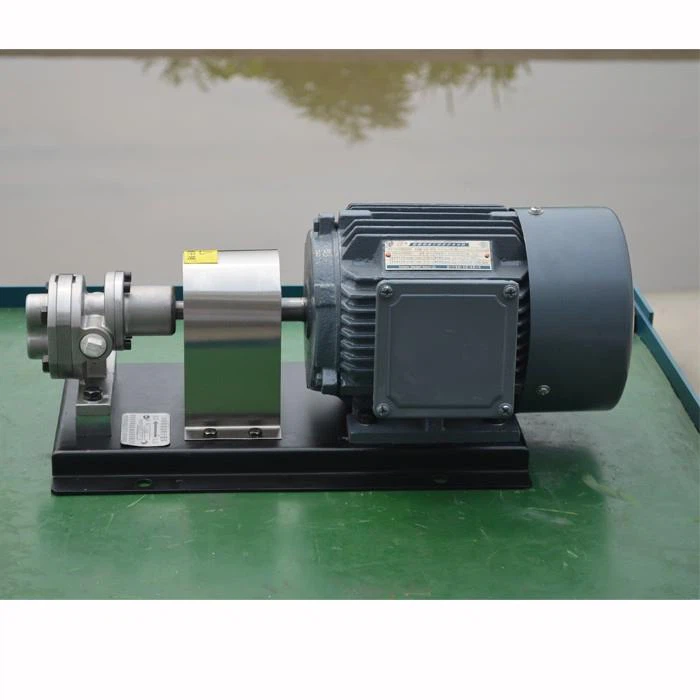
Before diving into optimization strategies, it's essential to understand the basic working principle of a universal gear pump. A universal gear pump consists of two meshing gears - a driving gear and a driven gear - housed in a pump casing. As the gears rotate, they create chambers of varying volumes that trap and transport fluid from the inlet to the outlet. This positive displacement mechanism ensures a constant flow rate regardless of the system pressure.
Selecting the Right Pump for the Application
The first step in optimizing the operation of a universal gear pump is to select the right pump for the specific application. Several factors need to be considered when choosing a pump, including the type of fluid being pumped, the required flow rate and pressure, the temperature and viscosity of the fluid, and the operating environment. For example, if you are pumping a viscous fluid, you may need a pump with a larger gear size and a higher displacement to ensure efficient operation.
We offer a wide range of universal gear pumps to meet the diverse needs of our customers. Our product line includes Electric Gear Pump, Universal Cast Gear Metering Pump, Alkali Phenolic Resin Special Metering Pump, Cast Iron Pump AB Glue Gear Metering Pump, and Gear Metering Pump For Polyols. Each pump is designed to provide reliable performance and precise metering in specific applications.
Proper Installation and Maintenance
Proper installation and maintenance are crucial for the optimal operation of a universal gear pump. Here are some key installation and maintenance tips:
- Installation: Make sure the pump is installed in a clean, dry, and well-ventilated area. Ensure that the pump is properly aligned with the motor or driver and that all connections are tight. Use appropriate gaskets and seals to prevent leaks.
- Lubrication: Most universal gear pumps require lubrication to reduce friction and wear between the gears and other moving parts. Follow the manufacturer's recommendations for lubrication type and frequency. Use high-quality lubricants that are compatible with the fluid being pumped.
- Sealing: The seals in a gear pump are critical for preventing leaks and ensuring efficient operation. Regularly inspect the seals for signs of wear or damage and replace them as needed. Use seals that are designed for the specific application and the type of fluid being pumped.
- Inspection and Cleaning: Regularly inspect the pump for signs of wear, damage, or clogging. Clean the pump and its components as needed to remove any debris or contaminants that may affect its performance. Follow the manufacturer's recommendations for inspection and cleaning intervals.
Optimizing the System Design
The system design in which the universal gear pump operates can also have a significant impact on its performance. Here are some tips for optimizing the system design:
- Pipe Sizing: Ensure that the piping system is properly sized to minimize pressure losses and ensure efficient fluid flow. Use pipes with the appropriate diameter and wall thickness to match the flow rate and pressure requirements of the pump.
- Valve Selection: Choose the right valves for the system to control the flow and pressure of the fluid. Use valves that are designed for the specific application and the type of fluid being pumped. Avoid using valves that are too small or too large, as this can affect the pump's performance.
- Filtering: Install appropriate filters in the system to remove any debris or contaminants that may damage the pump or affect its performance. Use filters with the appropriate micron rating to ensure efficient filtration.
- Pressure Relief: Install a pressure relief valve in the system to protect the pump from overpressure. Set the pressure relief valve to a safe pressure level that is below the maximum rated pressure of the pump.
Monitoring and Troubleshooting
Regular monitoring and troubleshooting are essential for detecting and resolving any issues that may arise during the operation of a universal gear pump. Here are some key monitoring and troubleshooting tips:
- Flow Rate and Pressure: Monitor the flow rate and pressure of the fluid being pumped regularly to ensure that they are within the specified range. Use flow meters and pressure gauges to measure the flow rate and pressure accurately.
- Temperature: Monitor the temperature of the pump and the fluid being pumped regularly to ensure that they are within the recommended operating temperature range. Use temperature sensors to measure the temperature accurately.
- Noise and Vibration: Listen for any unusual noise or vibration coming from the pump during operation. Unusual noise or vibration may indicate a problem with the pump, such as worn gears, misalignment, or a clogged filter.
- Leaks: Check for any leaks in the pump and the piping system regularly. Leaks can cause a loss of fluid and reduce the efficiency of the pump. Use leak detection methods, such as visual inspection or pressure testing, to detect and repair leaks promptly.
If you encounter any problems with your universal gear pump, it's important to troubleshoot the issue promptly to prevent further damage. Here are some common problems and their solutions:

- Low Flow Rate: Low flow rate may be caused by a clogged filter, a worn pump, or a problem with the piping system. Check the filter and clean or replace it as needed. Inspect the pump for signs of wear and replace any worn components. Check the piping system for any blockages or restrictions.
- High Pressure: High pressure may be caused by a closed valve, a blocked line, or a problem with the pump. Check the valves and ensure that they are open. Inspect the piping system for any blockages or restrictions. Check the pump for any problems, such as a worn or damaged gear.
- Noise and Vibration: Noise and vibration may be caused by a misaligned pump, worn gears, or a problem with the motor. Check the pump alignment and adjust it as needed. Inspect the gears for signs of wear and replace any worn components. Check the motor for any problems, such as a loose belt or a damaged bearing.
- Leaks: Leaks may be caused by a worn seal, a loose connection, or a damaged pump casing. Check the seals and replace any worn or damaged seals. Tighten any loose connections. Inspect the pump casing for any damage and repair or replace it as needed.
Conclusion
Optimizing the operation of a universal gear pump requires careful consideration of several factors, including pump selection, installation, maintenance, system design, and monitoring. By following the strategies and best practices outlined in this blog post, you can ensure that your universal gear pump operates efficiently and reliably, providing maximum performance and longevity.
If you have any questions or need further assistance with optimizing the operation of your universal gear pump, please feel free to contact us. We are a leading supplier of universal gear pumps and have extensive experience in providing high-quality products and solutions to our customers. We look forward to working with you to meet your pumping needs.


