

Hey there! As a supplier of Heat Preservation Gear Pumps, I often get asked about the differences between regular gear pumps and heat preservation gear pumps. So, I thought I'd break it down for you in this blog post.
Let's start with the basics. A regular gear pump is a type of positive displacement pump. It works by using two gears - usually a driving gear and a driven gear - that mesh together. As the gears rotate, they create chambers that trap fluid at the inlet and then move it to the outlet. These pumps are pretty simple in design and are widely used in various industries for transferring fluids like oil, fuel, and hydraulic fluid. They're known for their reliability, relatively low cost, and the ability to handle a wide range of viscosities.
On the other hand, a heat preservation gear pump is a specialized version of the regular gear pump. The main difference lies in its ability to maintain a specific temperature of the fluid being pumped. This is crucial when dealing with fluids that are sensitive to temperature changes, such as asphalt, polymers, and some chemical substances.
Construction Differences
One of the key differences between the two types of pumps is their construction. Regular gear pumps are typically made of standard materials like cast iron or steel, and they don't have any special features for temperature control. They're designed to work at normal ambient temperatures and are suitable for most general - purpose fluid transfer applications.
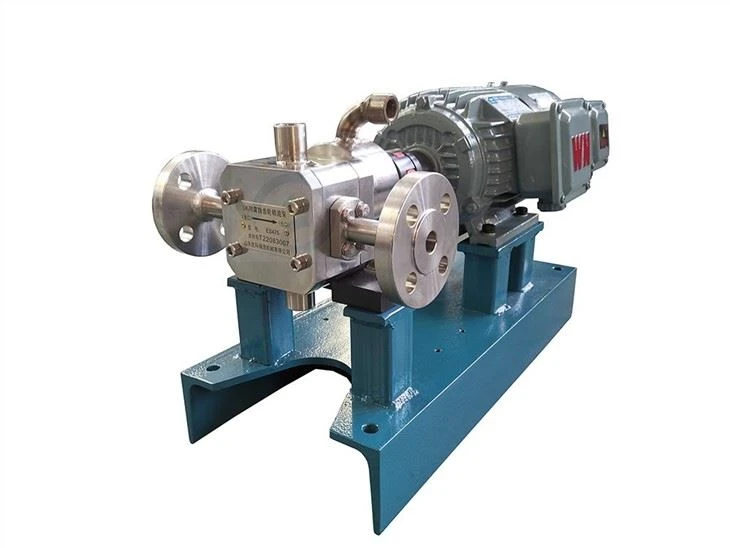
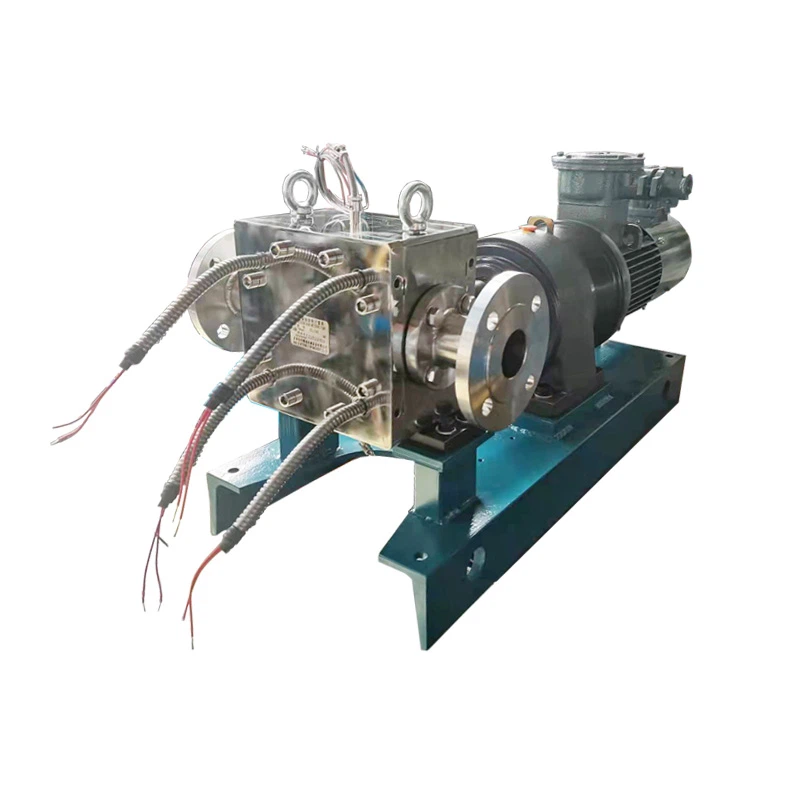
Heat preservation gear pumps, however, are built with additional components to keep the fluid at a consistent temperature. They often have a jacketed design, where a layer of insulation or a heating medium surrounds the pump body. This jacket can be filled with steam, hot oil, or an electric heating element. For example, Electric Heater Preservation Pump uses an electric heating element to maintain the temperature of the fluid. The heating system ensures that the fluid remains at the desired temperature throughout the pumping process, preventing it from solidifying or changing its viscosity due to temperature fluctuations.
Performance in Different Fluids
The performance of regular and heat preservation gear pumps also varies depending on the type of fluid being pumped. Regular gear pumps work well with fluids that have a relatively stable viscosity at normal temperatures. They can handle thin to moderately thick fluids without any issues. But when it comes to fluids that are highly viscous or change their properties with temperature, regular gear pumps may struggle.
Heat preservation gear pumps are specifically designed to handle these challenging fluids. For instance, Asphalt Heat Preservation Gear Metering Pump is used for pumping asphalt, which is extremely viscous at low temperatures. The heat preservation feature keeps the asphalt in a fluid state, allowing for smooth and efficient pumping. If you were to use a regular gear pump for asphalt, it would likely get clogged or fail to pump the material effectively.
Applications
The applications of regular and heat preservation gear pumps are quite different. Regular gear pumps are commonly used in automotive, industrial machinery, and hydraulic systems. They're used for tasks like lubricating engines, transferring fuel, and operating hydraulic cylinders.
Heat preservation gear pumps, on the other hand, are mainly used in industries where temperature - sensitive fluids are involved. Some of these industries include the asphalt industry, chemical processing, food processing, and polymer manufacturing. In the food industry, for example, heat preservation gear pumps are used to pump chocolate, syrup, and other viscous food products while maintaining their temperature and consistency.
Customization
Another aspect where heat preservation gear pumps stand out is customization. Since they are used in specialized applications, they often need to be tailored to specific requirements. For example, Customized Oil Steam Heat System Gear Metering Pump With Magnetic Seal can be customized with different heating methods, flow rates, and sealing options according to the customer's needs. Regular gear pumps, while they can also be customized to some extent, usually don't require the same level of customization as heat preservation gear pumps.
Maintenance and Cost
Maintenance requirements for regular and heat preservation gear pumps also differ. Regular gear pumps are relatively easy to maintain. They usually just need regular oil changes, inspection of the gears for wear, and replacement of seals when necessary.
Heat preservation gear pumps, however, require more complex maintenance. The heating system needs to be regularly checked for proper functioning, and the insulation needs to be inspected for any damage. This additional maintenance can increase the overall cost of ownership. But in applications where temperature control is essential, the benefits of using a heat preservation gear pump far outweigh the additional cost.
Conclusion
In conclusion, while regular gear pumps are great for general - purpose fluid transfer, heat preservation gear pumps are essential for applications where temperature control is crucial. If you're dealing with temperature - sensitive fluids, a heat preservation gear pump is the way to go.
If you're interested in learning more about our heat preservation gear pumps or have a specific requirement for your application, don't hesitate to reach out. We're here to help you find the perfect pump solution for your needs. Whether it's for asphalt pumping, chemical processing, or any other industry, we've got you covered. Let's start a conversation and see how we can work together to meet your pumping requirements.
References
- Pump Handbook, Karassik, I. J., Messina, J. P., Cooper, P., & Heald, C. C.
- Fluid Mechanics and Hydraulic Machines, R. K. Bansal


