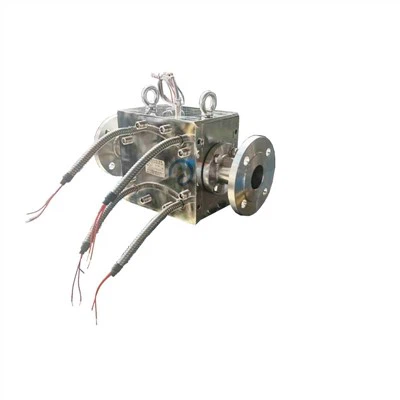
Hey there! As a supplier of Universal Gear Pumps, I've seen firsthand how the pump size can have a huge impact on the performance of these pumps. In this blog, I'm gonna break down the effects of pump size on the performance of a Universal Gear Pump, so you can make an informed decision when it comes to choosing the right pump for your needs.
Flow Rate and Capacity
One of the most obvious effects of pump size is on the flow rate and capacity of the Universal Gear Pump. Generally speaking, larger pumps have a higher flow rate and can handle more fluid per unit of time. This is because larger pumps have bigger gears and a larger displacement volume, which means they can move more fluid with each rotation.
For example, if you're working on a project that requires a high volume of fluid to be transferred quickly, a larger Universal Gear Pump would be the way to go. On the other hand, if you only need to transfer a small amount of fluid at a relatively slow rate, a smaller pump might be more suitable.
It's important to note that the flow rate of a pump is also affected by other factors, such as the viscosity of the fluid, the pressure at which the pump is operating, and the size of the piping system. So, when choosing a pump size, you need to consider all of these factors to ensure that the pump can meet your specific requirements.
Pressure and Efficiency
Another important aspect of pump performance is the pressure that the pump can generate. Larger pumps are generally capable of generating higher pressures than smaller pumps. This is because they have more power and can overcome greater resistance in the piping system.
However, it's not just about generating high pressure. The efficiency of the pump is also crucial. A pump that is too large for the application may not operate at its optimal efficiency, which can lead to increased energy consumption and higher operating costs. On the other hand, a pump that is too small may not be able to generate enough pressure to meet the requirements of the system, resulting in poor performance.
When selecting a pump size, you need to find the right balance between pressure and efficiency. This requires a careful analysis of the system requirements, including the flow rate, pressure, and viscosity of the fluid. By choosing the right pump size, you can ensure that the pump operates at its maximum efficiency, which will save you money in the long run.
Noise and Vibration
Pump size can also have an impact on the noise and vibration levels of the Universal Gear Pump. Larger pumps tend to produce more noise and vibration than smaller pumps. This is because they have more moving parts and a higher power output.


Excessive noise and vibration can be a nuisance, especially in a workplace environment. It can also cause damage to the pump and other equipment over time. To minimize noise and vibration, it's important to choose a pump that is properly sized for the application. You may also want to consider using vibration isolation mounts or other noise-reducing measures.
Installation and Maintenance
The size of the pump can also affect the installation and maintenance requirements. Larger pumps are generally heavier and more difficult to install than smaller pumps. They may also require more space and a more robust foundation.
In addition, larger pumps may require more frequent maintenance and servicing. This is because they have more components and are subject to greater wear and tear. When choosing a pump size, you need to consider the installation and maintenance requirements to ensure that you can handle them effectively.
Choosing the Right Pump Size
So, how do you choose the right pump size for your Universal Gear Pump? Here are some steps to follow:
- Determine the flow rate and pressure requirements: The first step is to determine the flow rate and pressure requirements of your system. This will depend on the specific application and the type of fluid you're working with.
- Consider the viscosity of the fluid: The viscosity of the fluid can have a significant impact on the performance of the pump. Thicker fluids require more power to pump, so you may need a larger pump to handle them.
- Evaluate the piping system: The size and layout of the piping system can also affect the performance of the pump. Make sure to consider the length, diameter, and number of bends in the piping when choosing a pump size.
- Factor in future growth: If you expect your system to grow or change in the future, it's a good idea to choose a pump that has some extra capacity. This will allow you to accommodate future changes without having to replace the pump.
- Consult with a professional: If you're not sure which pump size is right for your application, it's always a good idea to consult with a professional. They can help you analyze your system requirements and recommend the best pump for your needs.
Our Universal Gear Pump Offerings
At our company, we offer a wide range of Universal Gear Pumps in different sizes and configurations. Whether you need a small pump for a low-flow application or a large pump for a high-volume transfer, we have the right solution for you.
Here are some of our popular Universal Gear Pump products:
- One Component Polyurethane Glue Universal Pump: This pump is specifically designed for handling one-component polyurethane glue. It offers high precision and reliability, making it ideal for applications in the woodworking, furniture, and automotive industries.
- Polyurethane Precision Gear Metering Pump: This pump is designed for precise metering of polyurethane materials. It features a high-precision gear design and a variable speed drive, allowing for accurate control of the flow rate and pressure.
- Gear Metering Pump: This pump is a versatile option for a wide range of applications. It can handle a variety of fluids, including oils, chemicals, and polymers. It offers high efficiency and reliability, making it a popular choice for industrial and commercial applications.
Contact Us for a Quote
If you're interested in learning more about our Universal Gear Pumps or need help choosing the right pump for your application, please don't hesitate to contact us. Our team of experts is here to answer your questions and provide you with a quote.
We look forward to working with you and helping you find the perfect Universal Gear Pump for your needs.
References
- "Pump Handbook" by Igor J. Karassik, Joseph P. Messina, Paul Cooper, and Charles C. Heald
- "Centrifugal Pumps: Design and Application" by Heinz P. Bloch and Allan R. Budris
- "Hydraulic Pumps and Motors: Theory, Design, and Application" by John F. Watson