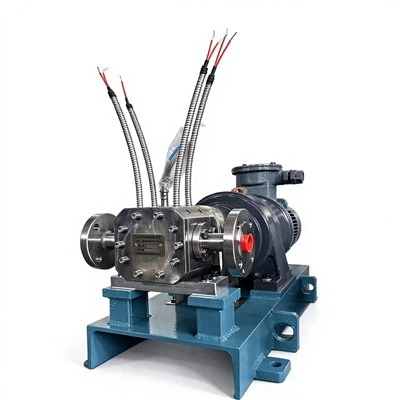
A peristaltic metering pump is a highly specialized device that plays a crucial role in a wide range of industries, from pharmaceuticals to water treatment. As a metering pump supplier, I am often asked about the working principle of these remarkable machines. In this blog post, I will delve into the details of how a peristaltic metering pump operates, its advantages, and its various applications.
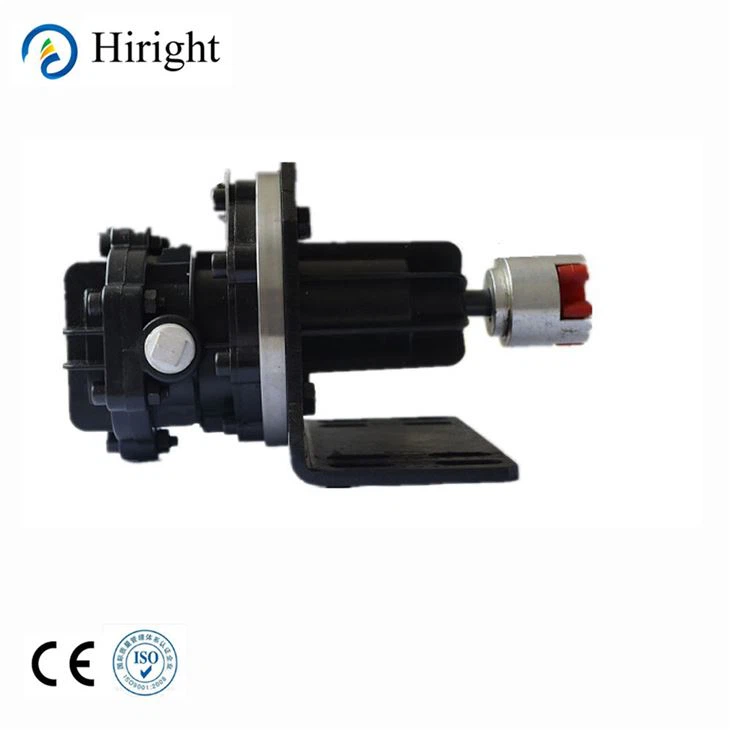

Working Principle of a Peristaltic Metering Pump
At its core, a peristaltic metering pump operates on the principle of peristalsis, which is a wave - like contraction and relaxation process. This natural process is also observed in the human digestive system, where it helps move food through the intestines.
The main components of a peristaltic metering pump include a pump head, a rotor with rollers or shoes, and a flexible tubing. The flexible tubing is the key element through which the fluid is transported. It is usually made of materials such as silicone, Viton, or Tygon, depending on the nature of the fluid being pumped.
When the pump is in operation, the rotor rotates, and the rollers or shoes on the rotor come into contact with the flexible tubing. As the rollers or shoes move along the tubing, they compress it, creating a seal and forcing the fluid inside the tubing to move forward. Once the roller or shoe passes a particular section of the tubing, that section of the tubing relaxes and returns to its original shape. This relaxation creates a vacuum that draws more fluid into the tubing from the inlet side.
The volume of fluid that is pumped with each rotation of the rotor is determined by the inner diameter of the tubing, the length of the compression section, and the speed of the rotor. By controlling the speed of the rotor, the pump can accurately meter the flow rate of the fluid. For example, if the pump needs to deliver a small amount of a chemical additive in a water treatment plant, the rotor speed can be adjusted accordingly to ensure precise dosing.
Advantages of Peristaltic Metering Pumps
One of the most significant advantages of peristaltic metering pumps is their ability to handle a wide variety of fluids. They can pump viscous fluids, abrasive slurries, shear - sensitive fluids, and even fluids with suspended solids without any damage to the pump or the fluid. This is because the fluid is only in contact with the inside of the tubing, and there are no internal valves or seals that can be clogged or damaged by the fluid.
Another advantage is the high level of accuracy and repeatability. Since the flow rate is directly related to the rotor speed and the characteristics of the tubing, the pump can provide consistent and precise metering over long periods. This makes them ideal for applications where accurate dosing is critical, such as in pharmaceutical manufacturing, where a slight variation in the dosage of a drug can have serious consequences.
Peristaltic metering pumps are also relatively easy to maintain. The only part that needs to be replaced periodically is the flexible tubing. This is a simple and cost - effective maintenance procedure that can be carried out without the need for specialized tools or extensive training.
Applications of Peristaltic Metering Pumps
Peristaltic metering pumps are used in a multitude of industries. In the pharmaceutical industry, they are used for the accurate dosing of active ingredients in the production of drugs. They can also be used for filling vials and syringes with precise volumes of medications.
In the food and beverage industry, these pumps are used for the metering of additives, flavors, and colors. Since the fluid only comes into contact with the tubing, there is no risk of contamination, which is crucial in food production.
In the water treatment industry, peristaltic metering pumps are used to add chemicals such as chlorine, fluoride, and pH adjusters to the water supply. The accurate metering ensures that the water is treated effectively and safely.
They are also widely used in research laboratories for the precise dispensing of reagents and samples. Whether it's in a biochemistry lab or a materials science lab, peristaltic metering pumps can provide the level of accuracy required for experiments.
Related Products
As a metering pump supplier, we offer a range of high - quality peristaltic metering pumps. We also have other types of metering pumps that may be suitable for different applications. For example, our High Pressure Metering Pump is designed to handle applications that require high - pressure pumping. It can be used in industries such as oil and gas, where fluids need to be pumped against high back - pressures.
Our External Metering Pump is a versatile option that can be easily integrated into existing systems. It offers a high level of flexibility and can be used in a variety of industrial processes.
If you need a pump with extremely high precision, our Precision Metering Pump is the ideal choice. It is designed to provide the most accurate metering possible, making it suitable for applications where even the slightest error in dosing can have a significant impact.
Contact for Procurement and洽谈
If you are in need of a reliable metering pump for your industry, we are here to help. Our team of experts can assist you in selecting the right pump for your specific requirements. Whether you need a peristaltic metering pump or one of our other high - quality products, we can provide you with the best solution. Please feel free to reach out to us to discuss your needs and start the procurement process.
References
- Cheremisinoff, N. P. (2000). Pump Handbook. Butterworth - Heinemann.
- Green, D. W., & Perry, R. H. (2007). Perry's Chemical Engineers' Handbook. McGraw - Hill.
- Karassik, I. J., Messina, J. P., Cooper, P., & Heald, C. C. (2008). Pump Handbook. Wiley.