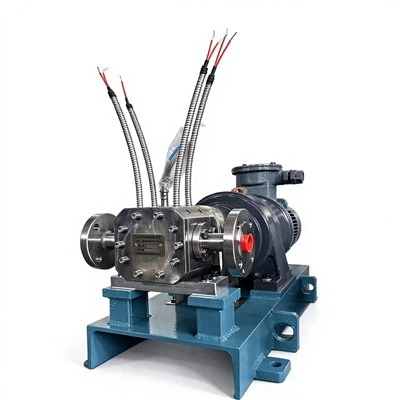
Hey there! I'm a supplier of gear pump prices, and today I wanna chat about how the viscosity of the fluid a gear pump handles can affect its price. It's a topic that might not seem super exciting at first glance, but trust me, it's pretty crucial when you're in the market for a gear pump.
Let's start with the basics. Viscosity is basically a measure of a fluid's resistance to flow. Think of it like this: honey has a high viscosity because it flows really slowly, while water has a low viscosity and flows easily. When it comes to gear pumps, the viscosity of the fluid they handle can have a big impact on how they work and, ultimately, how much they cost.
Low - Viscosity Fluids
When a gear pump is designed to handle low - viscosity fluids like water or gasoline, things are generally a bit simpler. These fluids flow easily, so the pump doesn't have to work as hard to move them. The internal components of the pump, such as the gears, don't experience as much stress because the fluid doesn't put up much resistance.
For low - viscosity applications, the pump doesn't need to be as robustly built. The materials used can be less expensive, and the design can be more straightforward. As a result, gear pumps for low - viscosity fluids tend to be more affordable. For example, a simple gear pump for a low - viscosity fluid might be used in a small water - circulation system in a home or a basic fuel - transfer application in a small engine.
We offer a Miniature Metering Pump that's great for handling low - viscosity fluids. It's compact, efficient, and won't break the bank. It's perfect for applications where you need precise metering of low - viscosity liquids in a small - scale setup.
High - Viscosity Fluids
Now, let's talk about high - viscosity fluids like molasses, heavy oils, or some industrial greases. These fluids are thick and don't flow easily. When a gear pump has to handle high - viscosity fluids, it faces some serious challenges.
First of all, the pump needs to generate more force to move the thick fluid. This means that the motor driving the pump has to be more powerful. A more powerful motor costs more, both in terms of the initial purchase price and the long - term energy consumption.
The internal components of the pump also need to be more durable. High - viscosity fluids can cause more wear and tear on the gears, bearings, and seals. So, the pump has to be made from high - quality materials that can withstand the extra stress. For example, the gears might be made from hardened steel or other high - strength alloys, and the seals need to be made from materials that can resist the thick fluid and prevent leaks.
The design of the pump also has to be optimized for high - viscosity fluids. The clearances between the gears and other components need to be carefully adjusted to ensure efficient pumping. This often requires more precise manufacturing processes, which add to the cost.
Our Magnetic Drive External Gear Metering Pump is a great option for high - viscosity fluids. It's designed with high - quality materials and an optimized design to handle the challenges of thick fluids. But of course, all these features come at a price.
Medium - Viscosity Fluids
In the middle, we have medium - viscosity fluids like some hydraulic oils or light syrups. Gear pumps for medium - viscosity fluids are a bit of a balance. They need to be more robust than those for low - viscosity fluids but don't require the extreme measures of high - viscosity pumps.
The materials used are of better quality than for low - viscosity pumps, but not as expensive as those for high - viscosity applications. The motor size and power requirements are also in the middle range. So, the price of gear pumps for medium - viscosity fluids falls between the low - and high - viscosity options.
We also have a High Pressure Metering Pump that can handle medium - viscosity fluids well. It offers a good balance of performance and cost - effectiveness for applications where you need to pump medium - viscosity liquids at relatively high pressures.
Other Factors Affected by Viscosity
Viscosity also affects the efficiency of the gear pump. High - viscosity fluids can cause more energy losses due to friction within the pump. This means that the pump has to work harder and use more energy to achieve the same flow rate as it would with a low - viscosity fluid. Over time, these energy losses can add up, increasing the operating costs.
Maintenance is another factor. High - viscosity fluids can leave more residue in the pump, which requires more frequent cleaning and maintenance. This adds to the long - term cost of owning the pump.
Conclusion
So, as you can see, the viscosity of the fluid a gear pump handles has a significant impact on its price. Low - viscosity fluids generally mean lower - cost pumps, while high - viscosity fluids require more expensive, heavy - duty pumps. Medium - viscosity fluids fall somewhere in between.
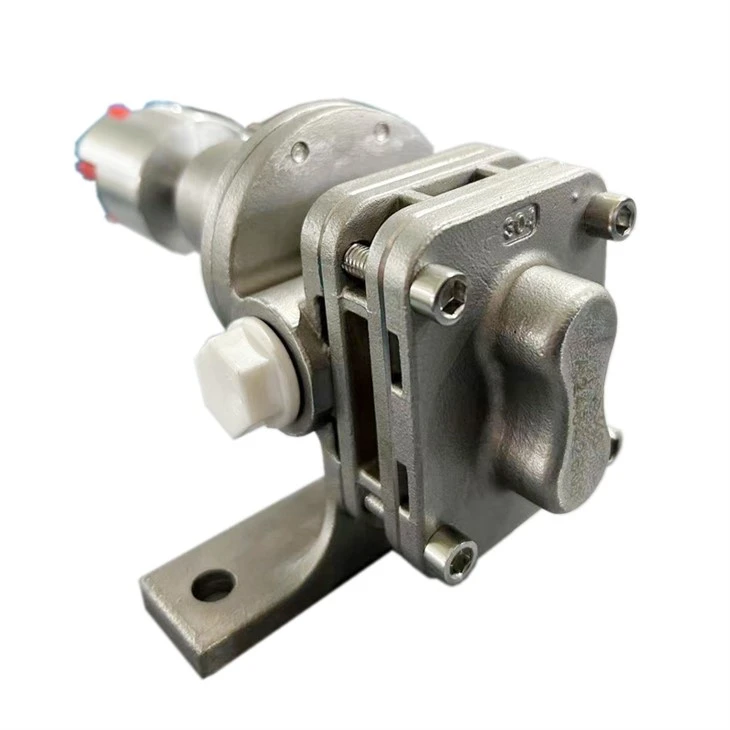

If you're in the market for a gear pump, it's important to consider the viscosity of the fluid you'll be pumping. Make sure you choose a pump that's designed to handle the specific viscosity range of your application. This will ensure optimal performance and cost - effectiveness in the long run.
If you have any questions about gear pumps and how the viscosity of your fluid will affect the price, don't hesitate to reach out. We're here to help you find the right pump for your needs. Whether you need a pump for low - viscosity, medium - viscosity, or high - viscosity fluids, we've got options for you. Let's start a conversation and figure out the best solution for your pumping requirements.
References
- "Fluid Mechanics and Hydraulic Machines" by R.K. Bansal
- "Pump Handbook" by Igor J. Karassik et al.