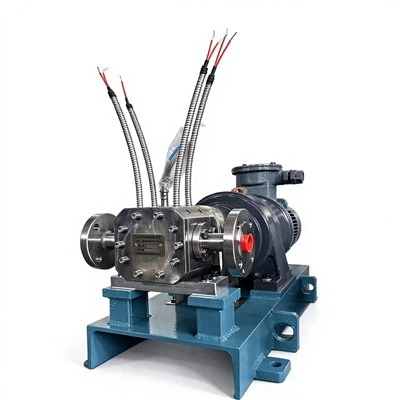
Hey there! I'm a supplier of chemical pumps, and today I wanna chat about how to operate a chemical pump safely. Chemical pumps are super important in many industries, but if not used right, they can be pretty dangerous. So, let's dive into some key points to keep in mind.
Pre - operation Checks
Before you even think about starting up a chemical pump, you gotta do a thorough inspection. First off, check the pump's physical condition. Look for any visible damage like cracks in the casing, loose fittings, or worn - out parts. A damaged pump can leak chemicals, which is a huge safety hazard.
Next, examine the connections. Make sure all the pipes are properly attached and tightened. Loose connections can lead to leaks during operation. Also, check the seals. Good seals are essential to prevent chemical leakage. If you notice any signs of wear or damage on the seals, replace them right away.


Don't forget about the power supply. Ensure that the electrical connections are secure and that the voltage is correct. Using the wrong voltage can damage the pump motor and even cause electrical fires. And if it's a pump with a heat system, like the External Gear Metering Pump With Heat System, check the heating elements and thermostats to make sure they're working properly.
Handling Chemicals
When dealing with chemicals, safety is the top priority. First, you need to know what kind of chemicals you're pumping. Different chemicals have different properties, such as corrosiveness, flammability, and toxicity. Read the safety data sheets (SDS) for each chemical. The SDS will tell you about the chemical's hazards, proper handling procedures, and what to do in case of an emergency.
Wear the right personal protective equipment (PPE). This usually includes gloves, goggles, and a chemical - resistant suit. Gloves protect your hands from direct contact with the chemicals, goggles shield your eyes from splashes, and the suit keeps your body safe from spills.
When filling the pump with chemicals, do it slowly and carefully. Avoid splashing or spilling. If a spill does occur, clean it up immediately using the appropriate cleaning materials. And always store chemicals in a proper storage area that's well - ventilated and away from heat sources.
Operating the Pump
Once you've done all the pre - operation checks and are ready to start the pump, follow the manufacturer's instructions. Start the pump slowly to avoid sudden pressure surges. A sudden increase in pressure can damage the pump and cause leaks.
Monitor the pump's performance during operation. Keep an eye on the pressure gauges, flow meters, and temperature sensors. If you notice any abnormal readings, like a sudden drop in pressure or a spike in temperature, stop the pump immediately. These could be signs of a problem, such as a blockage in the pipes or a malfunctioning motor.
If the pump has a control panel, make sure you understand how to use it. Adjust the settings carefully to maintain the right flow rate and pressure. And don't leave the pump unattended while it's running. Regularly check on it to ensure everything is working as it should.
Maintenance and Troubleshooting
Regular maintenance is crucial for the safe operation of a chemical pump. Follow the maintenance schedule recommended by the manufacturer. This usually includes tasks like lubricating moving parts, replacing filters, and checking the alignment of the pump and motor.
If you encounter any problems with the pump, don't try to fix it yourself unless you're trained to do so. Some issues can be complex and require professional expertise. For example, if the pump is making strange noises or vibrating excessively, it could be a sign of a serious mechanical problem. In such cases, contact the manufacturer or a qualified technician.
Also, keep a record of all maintenance and repairs. This will help you track the pump's history and identify any recurring issues.
Emergency Procedures
Even with all the safety precautions, emergencies can still happen. That's why it's important to have an emergency plan in place. Know the location of emergency shut - off switches and how to use them. In case of a chemical leak or fire, activate the emergency shut - off immediately to stop the flow of chemicals.
Have a first - aid kit nearby and make sure all operators are trained in basic first - aid procedures. If someone is exposed to a chemical, follow the first - aid instructions on the SDS. And in case of a major emergency, call the local emergency services right away.
Conclusion
Operating a chemical pump safely is all about being prepared and following the right procedures. By doing pre - operation checks, handling chemicals properly, operating the pump correctly, performing regular maintenance, and having emergency procedures in place, you can minimize the risks and ensure the safe and efficient operation of your chemical pump.
If you're in the market for a high - quality chemical pump, we've got you covered. Our Chemical Pump is designed with safety and performance in mind. And if you're looking for a specialized pump, like the Asphalt Electric Heating Pump, we can provide that too.
If you're interested in learning more or making a purchase, feel free to reach out. We're here to help you find the right pump for your needs and ensure that you can operate it safely.
References
- Manufacturer's manuals for chemical pumps
- Safety data sheets for chemicals
- Industry standards for chemical pump operation and safety