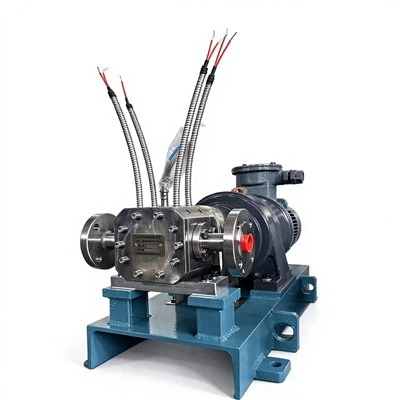
Hey there! As a supplier of China Gear Pumps, I've seen firsthand the importance of optimizing their performance. In this blog post, I'll share some tips and tricks that can help you get the most out of your gear pumps.
Understanding the Basics of Gear Pumps
Before we dive into optimization, let's quickly go over how gear pumps work. Gear pumps are positive displacement pumps that use two or more gears to transfer fluid. As the gears rotate, they create a vacuum that draws fluid into the pump and then pushes it out through the outlet.
The performance of a gear pump is determined by several factors, including the size and design of the gears, the speed of rotation, and the viscosity of the fluid being pumped. By understanding these factors, you can make adjustments to optimize the performance of your gear pump.
Choosing the Right Gear Pump
The first step in optimizing the performance of your gear pump is to choose the right pump for your application. There are many different types of gear pumps available, each with its own unique features and capabilities.
For example, if you're pumping a high-viscosity fluid, you'll need a pump with larger gears and a slower speed of rotation. On the other hand, if you're pumping a low-viscosity fluid, you can use a pump with smaller gears and a higher speed of rotation.
It's also important to consider the pressure and flow requirements of your application. Make sure the pump you choose can handle the maximum pressure and flow rate you need.
Proper Installation and Maintenance
Once you've chosen the right gear pump, it's important to install and maintain it properly. Improper installation can lead to leaks, vibration, and other problems that can affect the performance of the pump.
Here are some tips for proper installation:
- Make sure the pump is installed on a flat, stable surface.
- Align the pump and motor shafts carefully to prevent misalignment.
- Use the correct size and type of couplings to connect the pump and motor.
- Install the pump with the correct orientation to ensure proper fluid flow.
In addition to proper installation, regular maintenance is essential for optimizing the performance of your gear pump. Here are some maintenance tips:
- Check the pump regularly for leaks, vibration, and other signs of wear and tear.
- Replace the pump's seals and gaskets as needed to prevent leaks.
- Lubricate the pump's bearings and gears regularly to reduce friction and wear.
- Clean the pump's inlet and outlet filters regularly to prevent clogging.
Optimizing the Pump's Operating Conditions
In addition to proper installation and maintenance, you can also optimize the performance of your gear pump by adjusting its operating conditions. Here are some tips:
- Adjust the pump's speed of rotation to match the viscosity of the fluid being pumped. For high-viscosity fluids, use a slower speed of rotation to reduce the load on the pump.
- Monitor the pump's pressure and flow rate regularly and adjust them as needed to ensure optimal performance.
- Use a pressure relief valve to prevent the pump from overpressurizing.
- Keep the fluid temperature within the recommended range to prevent damage to the pump.
Using High-Quality Components
Another important factor in optimizing the performance of your gear pump is using high-quality components. Low-quality components can wear out quickly, leading to leaks, vibration, and other problems that can affect the performance of the pump.
When choosing components for your gear pump, make sure to choose high-quality parts from a reputable supplier. This includes gears, bearings, seals, and gaskets.
Considering Upgrades and Modifications
If you're looking to further optimize the performance of your gear pump, you may want to consider upgrades and modifications. Here are some examples:
- Upgrade the pump's gears to a larger size or a different material to increase its capacity and durability.
- Install a variable frequency drive (VFD) to adjust the pump's speed of rotation based on the demand for fluid.
- Add a bypass valve to the pump's outlet to control the flow rate and pressure.
- Install a monitoring system to track the pump's performance and detect any problems early.
Conclusion
Optimizing the performance of your China Gear Pump is essential for ensuring its reliability and efficiency. By following the tips and tricks outlined in this blog post, you can get the most out of your gear pump and keep it running smoothly for years to come.
If you're interested in learning more about China Gear Pumps or have any questions about optimizing their performance, please don't hesitate to contact me. I'd be happy to help you find the right pump for your application and provide you with any support you need.


References
- "Gear Pump Basics," Hydraulics & Pneumatics, [Publication Date]
- "How to Choose the Right Gear Pump," Pump & Systems, [Publication Date]
- "Gear Pump Maintenance Tips," Machinery Lubrication, [Publication Date]
Remember, for more information on specific types of gear pumps, check out these links: Melt Metering Pump, Dosing Metering Pumps, and LM712 Light Gear Metering Pump. If you're in the market for a gear pump or need advice on performance optimization, feel free to reach out for a procurement discussion.