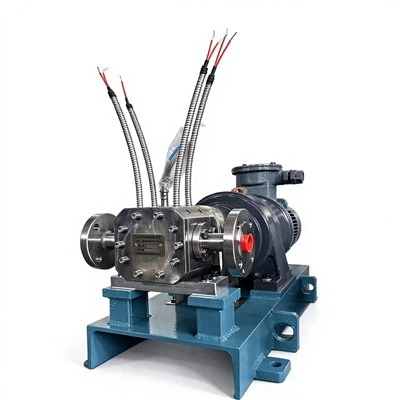
Safety Precautions When Using a Metering Pump
As a metering pump supplier, I understand the importance of ensuring the safe and efficient operation of these pumps. Metering pumps are used in a wide range of industries, from chemical processing to water treatment, and their proper use is crucial for both the safety of operators and the quality of the end product. In this blog post, I will discuss some of the key safety precautions that should be taken when using a metering pump.
1. Pre - Installation Safety Checks
Before installing a metering pump, it is essential to conduct a thorough inspection of the pump and its components. Check for any visible damage, such as cracks, dents, or loose parts. Ensure that all seals and gaskets are in good condition and properly seated. This will prevent leaks, which can be not only a safety hazard but also lead to inaccurate metering.
Verify that the pump is suitable for the intended application. Consider factors such as the type of fluid to be pumped, its viscosity, temperature, and chemical compatibility. For example, if you are dealing with a corrosive chemical, you need to select a pump with appropriate materials of construction. Our Production Metering Pump is designed to handle a variety of fluids in production - related applications, but it's important to match the pump to the specific requirements of your process.
2. Installation Safety
Proper installation is the foundation of safe metering pump operation. Follow the manufacturer's installation instructions carefully. The pump should be installed on a stable and level surface to prevent vibration, which can cause premature wear and tear on the pump components.
When connecting the pump to the piping system, use the correct fittings and ensure a tight seal. Improperly connected pipes can lead to leaks and pressure imbalances. Make sure that the piping is properly supported to avoid stress on the pump connections.
During installation, pay attention to the electrical connections. Ensure that the power supply is compatible with the pump's electrical requirements. Use appropriate electrical conduits and grounding to prevent electrical shocks. If you are unsure about the electrical installation, it is advisable to consult a qualified electrician.
3. Operator Training
One of the most critical safety aspects is operator training. All personnel who will be operating the metering pump should receive comprehensive training on its operation, maintenance, and safety procedures. Training should cover topics such as how to start and stop the pump, how to adjust the flow rate, and how to recognize and respond to abnormal operating conditions.
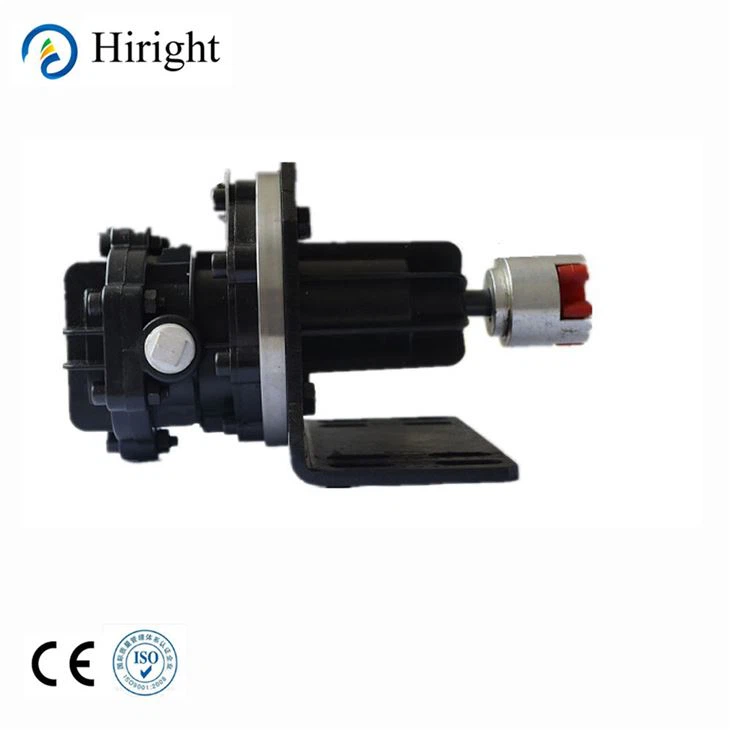

Operators should be familiar with the safety features of the pump, such as pressure relief valves and flow sensors. They should know how to use these features to prevent over - pressurization and other dangerous situations. For example, our Melt Metering Pump has advanced safety features, but operators need to be trained to utilize them effectively.
4. Fluid Handling Safety
When dealing with the fluids being pumped, safety is of utmost importance. Many fluids used in metering pump applications can be hazardous, such as chemicals, acids, and solvents. Operators should wear appropriate personal protective equipment (PPE), including gloves, goggles, and protective clothing.
Store the fluids in a safe and secure location, away from sources of heat, sparks, and open flames. Follow proper handling and transfer procedures to prevent spills and leaks. In case of a spill, have a spill response plan in place, including the availability of spill - containment materials and clean - up equipment.
5. Regular Maintenance and Inspection
Regular maintenance and inspection are essential for the safe operation of a metering pump. Establish a maintenance schedule and follow it diligently. This includes tasks such as lubricating moving parts, checking the condition of seals and gaskets, and inspecting the pump for any signs of wear or damage.
Inspect the pump's performance regularly. Monitor parameters such as flow rate, pressure, and temperature. Any significant deviations from the normal operating range could indicate a problem with the pump. For example, a sudden drop in flow rate may be due to a clogged filter or a worn - out diaphragm.
Replace worn - out parts promptly. Using a metering pump with damaged or worn components can lead to inaccurate metering, leaks, and even pump failure. Keep a stock of essential spare parts on hand to minimize downtime in case of a breakdown.
6. Safety Devices and Alarms
Most modern metering pumps are equipped with safety devices and alarms to protect operators and the pump itself. These include pressure relief valves, which open automatically to relieve excess pressure, and flow sensors, which can detect abnormal flow conditions.
Ensure that these safety devices are functioning properly. Test them regularly to verify their operation. If an alarm is triggered, operators should know how to respond immediately. For example, if a high - pressure alarm goes off, the operator should stop the pump and check for the cause of the over - pressurization.
7. Emergency Preparedness
Despite all the precautions, emergencies can still occur. It is important to have an emergency preparedness plan in place. This plan should include procedures for shutting down the pump in case of an emergency, evacuating the area if necessary, and providing first - aid to injured personnel.
Have fire extinguishers and other emergency equipment readily available near the metering pump. Train operators on how to use this equipment effectively. Regularly conduct emergency drills to ensure that all personnel are familiar with the emergency procedures.
8. External Metering Pump Considerations
If you are using an External Metering Pump, there are some additional safety precautions to consider. External pumps are often exposed to the environment, so they need to be protected from harsh weather conditions, dust, and debris.
Ensure that the pump is properly shielded to prevent accidental contact with moving parts. If the pump is located in an area with high traffic, install barriers to prevent unauthorized access.
In conclusion, the safe use of a metering pump requires a combination of proper installation, operator training, regular maintenance, and the use of safety devices. By following these safety precautions, you can minimize the risk of accidents and ensure the long - term reliability of your metering pump.
If you are in the market for a metering pump or need further advice on safety precautions, we are here to help. Contact us to discuss your specific requirements and explore how our metering pumps can meet your needs.
References
- Manufacturer's manuals for metering pumps
- Industry standards for pump safety and operation