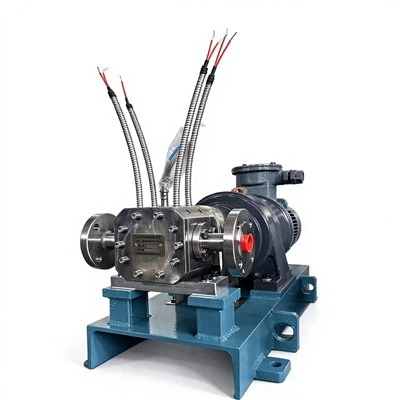
Hey there! As a gear pump supplier, I've seen firsthand how cavitation can mess up the performance and lifespan of gear pumps. Cavitation is a real headache in the world of pumps, but don't worry, I'm here to share some tips on how to prevent it.
First off, let's understand what cavitation is. When the pressure in a pump drops below the vapor pressure of the fluid being pumped, vapor bubbles form. These bubbles then collapse when they reach a high - pressure area. This collapse creates shockwaves that can damage the pump components, like the gears, housing, and seals. It also reduces the pump's efficiency and can lead to noisy operation.
Understanding the Causes of Cavitation in Gear Pumps
There are several reasons why cavitation might occur in a gear pump. One common cause is a high fluid viscosity. If the fluid is too thick, it can be difficult for the pump to draw it in, leading to a drop in pressure at the inlet. Another cause is a clogged inlet filter. When the filter is blocked, the flow of fluid into the pump is restricted, and the pressure at the inlet drops.
Incorrect pump sizing can also be a culprit. If the pump is too small for the application, it has to work harder to move the fluid, which can cause pressure drops. Also, improper installation, like a long or narrow suction line, can increase the resistance to fluid flow and result in low inlet pressure.

Preventive Measures
1. Fluid Selection and Conditioning
The type of fluid you use in your gear pump matters a lot. Make sure to choose a fluid with the right viscosity for the pump's operating conditions. If the fluid is too viscous, you might need to heat it up to reduce its viscosity. For example, in cold environments, heating the fluid can prevent it from becoming too thick for the pump to handle.
Regularly check the fluid for contaminants. A dirty fluid can clog the pump and cause cavitation. You can use filters to remove any particles from the fluid. There are different types of filters available, and you should choose one that is appropriate for the size of the particles you need to remove.
2. Inlet Conditions
Keep the inlet pressure stable. You can use a pressure regulator at the inlet to ensure that the pressure remains within the pump's recommended range. Also, make sure the inlet line is short and wide. A long or narrow inlet line can create a lot of resistance, which can lead to a drop in pressure.
Check the inlet filter regularly. A clogged filter can starve the pump of fluid, causing cavitation. Replace the filter as soon as it shows signs of clogging. And don't forget to clean the inlet strainer to prevent debris from entering the pump.
3. Pump Sizing and Installation
Get the right pump for the job. Make sure to calculate the required flow rate and pressure accurately before choosing a pump. An oversized pump can waste energy, while an undersized pump can cause cavitation.
During installation, follow the manufacturer's guidelines carefully. The pump should be installed at the correct height and alignment. A misaligned pump can cause uneven wear and increase the risk of cavitation.
4. Monitoring and Maintenance
Regularly monitor the pump's performance. You can use pressure gauges at the inlet and outlet to check the pressure levels. If you notice a significant drop in inlet pressure or an increase in outlet pressure, it could be a sign of cavitation.
Perform regular maintenance on the pump. This includes checking the gears for wear, replacing the seals when they are worn out, and lubricating the moving parts. A well - maintained pump is less likely to experience cavitation.
Using Our Gear Pumps to Minimize Cavitation
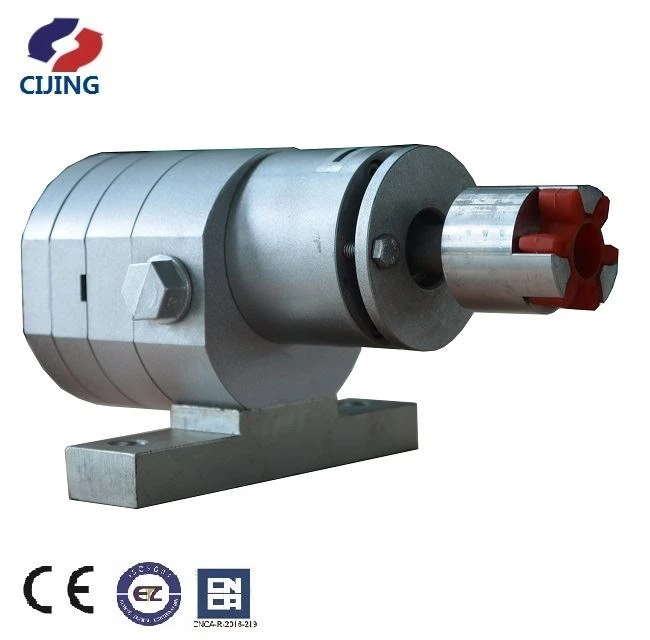
At our company, we design and manufacture gear pumps that are less prone to cavitation. Our pumps are built with high - quality materials and advanced technology to ensure smooth operation. We offer a wide range of Dosing Metering Pumps that are suitable for various applications. These pumps are designed to handle different types of fluids with precision, reducing the risk of cavitation.
Our Chemical Metering Pump is another great option. It is specifically designed to handle corrosive and viscous chemicals. The design of this pump minimizes pressure drops and ensures a stable flow, preventing cavitation.
If you need a pump for external applications, our External Metering Pump is a reliable choice. It is built to withstand harsh environmental conditions and provides consistent performance.
Conclusion
Cavitation is a serious issue that can affect the performance and lifespan of gear pumps. However, by following the preventive measures I've mentioned, you can significantly reduce the risk of cavitation. At our company, we are committed to providing high - quality gear pumps that are designed to minimize cavitation. If you're in the market for a gear pump or need more information on how to prevent cavitation, don't hesitate to get in touch with us. We're here to help you find the right solution for your needs.
References
- "Pump Handbook" by Igor J. Karassik et al.
- "Fluid Mechanics and Hydraulic Machines" by R. K. Bansal.