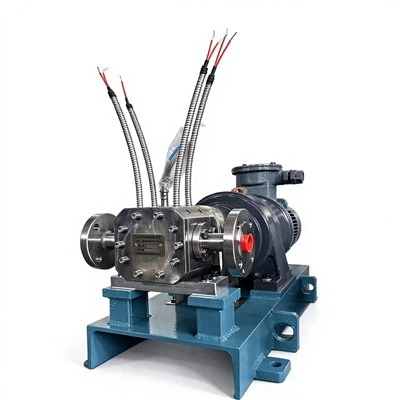
Hey there! As a supplier of chemical pumps, I often get asked about how to prime a chemical pump. It's a crucial step that can significantly impact the performance and longevity of your pump. So, let's dive right in and explore the ins and outs of priming a chemical pump.
First off, what does it mean to prime a pump? Priming is the process of filling the pump casing and suction line with the liquid that the pump is designed to handle. This gets rid of any air or gas that might be in there, allowing the pump to create the necessary suction to move the liquid. Without proper priming, the pump might not work efficiently or could even get damaged.
Why Priming is So Important
Before we get into the how - to, let's talk about why priming is such a big deal. When a chemical pump isn't primed correctly, it can lead to a bunch of problems. For one, it can cause cavitation. Cavitation happens when the pressure in the pump drops so low that the liquid turns into vapor. These vapor bubbles then collapse when they reach higher - pressure areas, creating shockwaves that can damage the pump's impeller and other internal components.
Also, an unprimed pump might not be able to build up enough pressure to move the liquid effectively. This means you won't get the flow rate you need, which can slow down your operations and affect the quality of your processes.
Steps to Prime a Chemical Pump
Step 1: Check the Pump and System
Before you start priming, you need to make sure everything is in good shape. Check the pump for any visible damage, like cracks in the casing or leaks in the seals. Also, inspect the suction and discharge lines for any blockages. You don't want anything getting in the way of the liquid flow.
Step 2: Close the Discharge Valve
Closing the discharge valve is an important step. This helps build up pressure inside the pump during the priming process. When the valve is closed, the liquid can't escape through the discharge line, allowing it to fill the pump casing more easily.
Step 3: Fill the Pump with Liquid
Now it's time to fill the pump with the chemical liquid. You can do this in a few different ways. One common method is to use a priming port. Many chemical pumps have a priming port that you can connect a hose to. Then, you can pour the liquid into the pump through the hose until the pump casing is full.
Another way is to use a priming tank. If your system has a priming tank, you can open the valve between the tank and the pump to let the liquid flow into the pump. Make sure the tank is filled with the right amount of liquid before you start.
Step 4: Vent the Air
As you fill the pump with liquid, there will be air trapped inside. You need to vent this air out. Most pumps have a vent valve. Open the vent valve and let the air escape until you see liquid coming out of the valve. This indicates that all the air has been removed from the pump.


Step 5: Open the Discharge Valve
Once the pump is filled with liquid and all the air has been vented, it's time to open the discharge valve. This allows the liquid to start flowing through the system.
Step 6: Start the Pump
Now that everything is set up, you can start the pump. As the pump starts running, it should start moving the liquid through the system. Monitor the pump's performance to make sure it's working properly. Check the flow rate and pressure to ensure they are within the recommended range.
Special Considerations for Different Types of Chemical Pumps
Not all chemical pumps are the same, and different types might require slightly different priming procedures.
Centrifugal Pumps
Centrifugal pumps are one of the most common types of chemical pumps. They work by using a rotating impeller to create centrifugal force, which moves the liquid. When priming a centrifugal pump, it's important to make sure the impeller is fully submerged in the liquid. If the impeller isn't submerged, it won't be able to create the necessary suction.
Positive Displacement Pumps
Positive displacement pumps, like gear pumps, work by trapping a fixed amount of liquid and then forcing it through the system. When priming a positive displacement pump, you need to make sure there are no air pockets in the pump or the suction line. You might need to manually rotate the pump a few times to get the liquid moving and remove any air.
Our Chemical Pump Products
We offer a wide range of high - quality chemical pumps, including some great options for specific applications. For example, if you're looking for a pump to handle paraffin wax, check out our Oil Steam Heat System For Convey Paraffin Wax Gear Metering Pump. This pump has a special oil steam heat system that helps keep the paraffin wax at the right temperature and ensures smooth operation.
Our Thermal Insulation External Gear Metering Pump is another great option. It's designed with thermal insulation to prevent heat loss, making it ideal for applications where temperature control is important.
And if you're in the asphalt industry, our Asphalt Gear Pump is a top - notch choice. It's built to handle the high - viscosity of asphalt and can provide reliable performance.
Conclusion
Priming a chemical pump is a vital process that shouldn't be overlooked. By following the steps we've discussed and considering the special requirements of different pump types, you can ensure that your pump operates efficiently and lasts a long time.
If you're in the market for a chemical pump or have any questions about priming or our products, don't hesitate to reach out. We're here to help you find the right solution for your needs. Whether you're a small - scale operation or a large industrial facility, we have the expertise and products to meet your requirements.
References
- Chemical Pump Handbook, various industry experts
- Pump Manufacturer's Guides