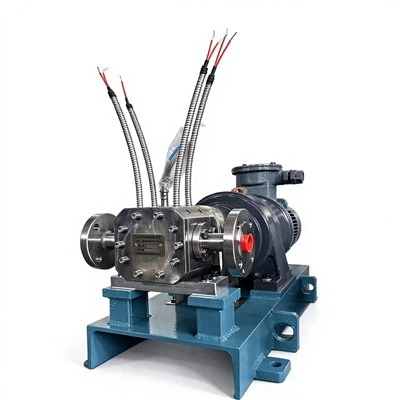
As a supplier of Asphalt Gear Pumps, I understand the critical role these pumps play in various industries, especially in road construction and asphalt production. However, I'm also acutely aware of the environmental impact associated with their operation. In this blog, I'll share some effective strategies on how to reduce the environmental footprint of an Asphalt Gear Pump.
1. Energy - efficient Design and Operation
One of the most significant environmental impacts of an Asphalt Gear Pump is its energy consumption. Traditional pumps often require a large amount of electricity to operate, which contributes to greenhouse gas emissions. To address this issue, we can focus on the design and operation of the pump.
When it comes to design, we can opt for pumps with high - efficiency motors. These motors are designed to convert a higher percentage of electrical energy into mechanical energy, reducing the amount of wasted energy. For example, permanent magnet motors are known for their high efficiency and can significantly lower the power consumption of an Asphalt Gear Pump.
In terms of operation, proper maintenance and adjustment are crucial. Regularly checking the pump's alignment, bearing conditions, and lubrication levels can ensure that the pump operates smoothly and efficiently. A misaligned pump or a poorly lubricated bearing can increase the energy required to drive the pump, leading to higher energy consumption and increased wear and tear.
2. Reducing Leakage
Leakage of asphalt from the pump is not only a waste of valuable resources but also a significant environmental hazard. Asphalt can contaminate soil and water sources, posing a threat to the ecosystem.
To minimize leakage, we can use high - quality seals and gaskets. These components should be made from materials that are resistant to the high temperatures and chemical properties of asphalt. For instance, some advanced seal materials can withstand the harsh conditions inside an Asphalt Gear Pump and prevent asphalt from seeping out.
Regular inspection of the seals and gaskets is also necessary. Any signs of wear or damage should be addressed immediately by replacing the faulty components. Additionally, proper installation of the seals and gaskets is essential to ensure a tight fit and prevent leakage.
3. Recycling and Reusing Asphalt
Another way to reduce the environmental impact of an Asphalt Gear Pump is to promote the recycling and reuse of asphalt. Instead of disposing of used asphalt, it can be recycled and used in new asphalt mixtures.
Our company can work with customers to implement asphalt recycling programs. This may involve collecting used asphalt from construction sites, processing it, and then using it in new projects. Using recycled asphalt not only reduces the demand for virgin asphalt but also decreases the amount of waste sent to landfills.


4. Using Environment - friendly Materials
When manufacturing Asphalt Gear Pumps, we can choose environment - friendly materials. For example, some of our pumps, such as the Stainless Steel Insulation Pump, are made of stainless steel. Stainless steel is a durable and recyclable material that has a relatively low environmental impact compared to some other metals.
In addition to the pump body, the lubricants used in the pump can also be selected with environmental considerations in mind. There are now biodegradable lubricants available on the market that can reduce the pollution risk in case of leakage.
5. Improving Pump Efficiency through Technology
Advancements in technology can also help to reduce the environmental impact of Asphalt Gear Pumps. For example, some modern pumps are equipped with variable frequency drives (VFDs). VFDs allow the pump to adjust its speed according to the actual demand, which can save a significant amount of energy.
Moreover, the use of smart sensors and monitoring systems can provide real - time data on the pump's performance, such as temperature, pressure, and flow rate. This data can be used to optimize the pump's operation, identify potential problems early, and improve overall efficiency.
6. Noise Reduction
Asphalt Gear Pumps can generate a considerable amount of noise during operation, which can be a nuisance to nearby residents and wildlife. To reduce noise pollution, we can use noise - reducing enclosures or insulation materials around the pump.
These enclosures can absorb and dampen the sound waves generated by the pump, reducing the noise level in the surrounding area. Additionally, proper maintenance of the pump, such as tightening loose parts and replacing worn - out components, can also help to reduce noise.
7. Sustainable Packaging
The packaging of our Asphalt Gear Pumps also has an environmental impact. We can switch to sustainable packaging materials, such as biodegradable cardboard or recycled plastic. These materials can be easily recycled or decomposed, reducing the amount of waste sent to landfills.
In addition, we can optimize the packaging design to reduce the amount of material used. For example, using custom - designed packaging that fits the pump precisely can minimize the use of filler materials.
8. Training and Education
Finally, training and education are essential for reducing the environmental impact of Asphalt Gear Pumps. We can provide training to our customers on how to operate and maintain the pumps in an environmentally friendly way. This includes proper energy - saving operation methods, leakage prevention techniques, and recycling procedures.
By raising awareness among our customers about the environmental issues associated with Asphalt Gear Pumps, we can encourage them to take proactive measures to reduce their environmental footprint.
In conclusion, reducing the environmental impact of an Asphalt Gear Pump requires a comprehensive approach that includes energy - efficient design, leakage prevention, recycling, the use of environment - friendly materials, and technological advancements. As a supplier, we are committed to providing high - quality, environmentally friendly Asphalt Gear Pumps, such as the Great Standard Resin Pump Heat Preservation Gear Metering Pump and the Spiral Lever Heat Preservation Pump.
If you are interested in our products and would like to discuss how we can help you reduce the environmental impact of your asphalt pumping operations, please feel free to contact us for a procurement negotiation. We look forward to working with you to create a more sustainable future.
References
- "Energy - efficient Pumping Systems: A Guide for Industry", International Energy Agency.
- "Asphalt Recycling and Reuse Association Handbook", Asphalt Recycling and Reuse Association.
- "Materials and Design for Sustainable Manufacturing", Journal of Sustainable Manufacturing.