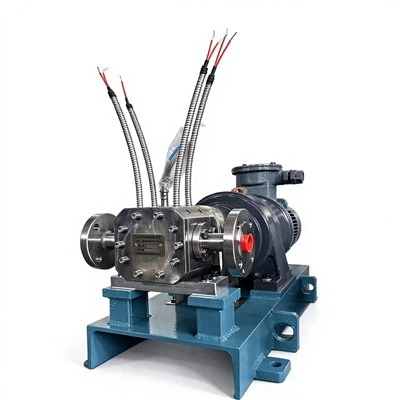
Hey there! As a supplier of Geared Flow Dividers, I've seen firsthand how crucial it is to reduce the pressure drop across these devices. Pressure drop can lead to energy losses, inefficiencies, and even premature wear and tear on your equipment. In this blog post, I'm gonna share some tips and tricks on how to minimize pressure drop and get the most out of your Geared Flow Divider.
Understanding Pressure Drop in Geared Flow Dividers
Before we dive into the solutions, let's quickly go over what pressure drop is and why it matters. Pressure drop is the difference in pressure between the inlet and the outlet of a Geared Flow Divider. It occurs due to the resistance that the fluid encounters as it flows through the device. This resistance can be caused by various factors, such as the internal design of the flow divider, the viscosity of the fluid, and the flow rate.
A high pressure drop can have several negative effects on your system. It can reduce the overall efficiency of the hydraulic system, increase energy consumption, and cause excessive heat generation. Additionally, it can lead to cavitation, which is the formation and collapse of vapor bubbles in the fluid. Cavitation can damage the internal components of the flow divider and other hydraulic equipment, resulting in costly repairs and downtime.
Tips to Reduce Pressure Drop
Now that we understand the importance of reducing pressure drop, let's look at some practical tips that you can implement to achieve this goal.
1. Choose the Right Flow Divider
The first step in reducing pressure drop is to select the right Geared Flow Divider for your application. Make sure to choose a flow divider that is designed to handle the specific flow rate and pressure requirements of your system. A flow divider that is too small for your application will result in a high pressure drop, while one that is too large may be inefficient and costly.


When selecting a flow divider, consider factors such as the number of inputs and outputs, the flow rate range, and the pressure rating. You can find a wide range of Geared Flow Dividers on our website, including the 2 Input 4 Output Cast Iron Gear Flow Divider and the Cast Iron Hydraulic Gear Type Flow Divider.
2. Optimize the System Design
The design of your hydraulic system can also have a significant impact on the pressure drop across the flow divider. Here are some design considerations to keep in mind:
- Pipe Sizing: Use the appropriate pipe size to minimize the fluid velocity and reduce friction losses. A larger pipe diameter will result in lower fluid velocity and less pressure drop.
- Pipe Layout: Keep the pipe runs as short and straight as possible to minimize the length of the flow path. Avoid sharp bends, elbows, and other restrictions that can increase the resistance to flow.
- Valve Selection: Choose valves that have a low pressure drop and are suitable for your application. Make sure to size the valves correctly to avoid excessive pressure losses.
3. Maintain Proper Fluid Viscosity
The viscosity of the hydraulic fluid plays a crucial role in determining the pressure drop across the flow divider. A fluid with a high viscosity will have a higher resistance to flow, resulting in a higher pressure drop. On the other hand, a fluid with a low viscosity may not provide sufficient lubrication and protection for the internal components of the flow divider.
To maintain proper fluid viscosity, make sure to use the recommended hydraulic fluid for your system. Check the fluid level and condition regularly, and change the fluid as recommended by the manufacturer. Additionally, consider using a fluid with a viscosity index improver to help maintain a consistent viscosity over a wide range of temperatures.
4. Keep the Flow Divider Clean
Over time, dirt, debris, and other contaminants can accumulate inside the flow divider, causing blockages and increasing the pressure drop. To prevent this, it's important to keep the flow divider clean. Here are some cleaning tips:
- Regular Inspections: Inspect the flow divider regularly for signs of dirt, debris, or damage. Clean the exterior of the flow divider with a soft cloth and a mild cleaning solution.
- Filter Maintenance: Use a high-quality filter in your hydraulic system to remove contaminants from the fluid. Replace the filter regularly to ensure optimal performance.
- Flushing the System: Periodically flush the hydraulic system to remove any accumulated contaminants. Follow the manufacturer's instructions for flushing the system.
5. Monitor and Adjust the System
Finally, it's important to monitor the performance of your hydraulic system and make adjustments as needed. Use pressure gauges and flow meters to measure the pressure drop and flow rate across the flow divider. If you notice a significant increase in pressure drop or a decrease in flow rate, it may indicate a problem with the flow divider or the hydraulic system.
In such cases, it's important to troubleshoot the issue and take appropriate action. This may involve cleaning or replacing the flow divider, adjusting the system settings, or repairing other components of the hydraulic system.
Conclusion
Reducing the pressure drop across a Geared Flow Divider is essential for improving the efficiency and performance of your hydraulic system. By following the tips outlined in this blog post, you can minimize pressure drop, reduce energy consumption, and extend the lifespan of your equipment.
If you have any questions or need further assistance with selecting or maintaining a Geared Flow Divider, please don't hesitate to contact us. We're here to help you find the right solution for your application and ensure the optimal performance of your hydraulic system. Whether you're looking for a standard flow divider or a Hydraulic Gear Type Flow Divider Can Customized, we've got you covered.
Let's work together to reduce pressure drop and take your hydraulic system to the next level. Contact us today to start the conversation and explore your options for purchasing a Geared Flow Divider.
References
- Hydraulic Systems Handbook, by Eugene F. Budynas and Robert K. Nisbett
- Fluid Power Engineering, by Arthur R. Van Gerpen and Robert L. Johnson