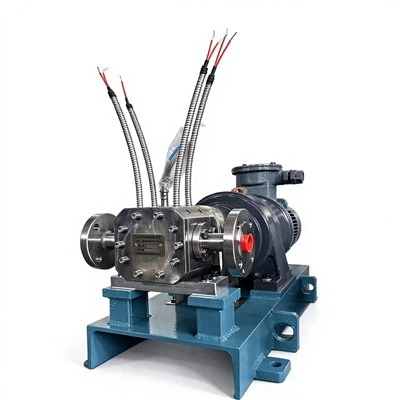
Hey there! As a supplier of Chemical Pump, I've seen my fair share of issues with pump vibrations. It's a common problem that can lead to all sorts of headaches, from premature wear and tear on the pump components to reduced efficiency and even safety hazards. In this blog post, I'm going to share some tips on how to reduce the vibration of a chemical pump, based on my years of experience in the industry.
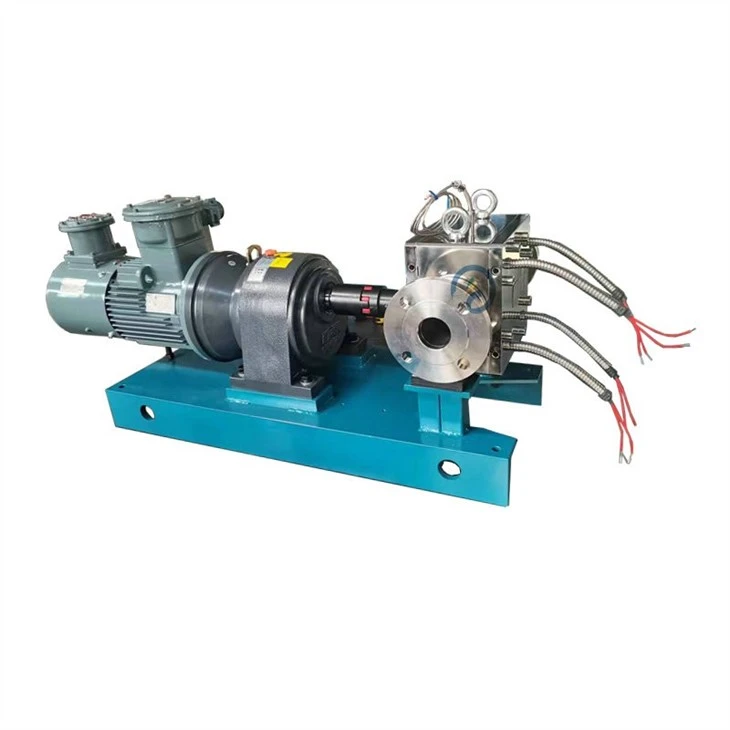

First off, let's talk about what causes pump vibrations in the first place. There are several factors that can contribute to this issue, including:
- Imbalance: If the impeller or other rotating parts of the pump are not balanced properly, it can cause the pump to vibrate. This can be due to manufacturing defects, wear and tear, or improper installation.
- Misalignment: When the pump and motor are not aligned correctly, it can create additional stress on the pump shaft and bearings, leading to vibrations. This can happen during installation or over time due to thermal expansion or other factors.
- Cavitation: Cavitation occurs when the pressure in the pump drops below the vapor pressure of the liquid being pumped, causing bubbles to form and collapse. This can create shock waves that can damage the pump and cause vibrations.
- Resonance: Resonance happens when the natural frequency of the pump or its components matches the frequency of the vibrations being generated. This can amplify the vibrations and cause significant damage to the pump.
- Loose components: If any of the pump components, such as bolts, nuts, or couplings, are loose, it can cause the pump to vibrate. This can be due to improper installation or wear and tear over time.
Now that we know what causes pump vibrations, let's talk about how to reduce them. Here are some tips that you can follow:
1. Ensure Proper Installation
- Alignment: Make sure that the pump and motor are properly aligned during installation. This can help to reduce stress on the pump shaft and bearings and prevent vibrations. You can use alignment tools, such as laser alignment systems, to ensure accurate alignment.
- Leveling: The pump should be installed on a level surface to prevent uneven loading and vibrations. Use a spirit level to check the levelness of the pump and make any necessary adjustments.
- Mounting: The pump should be mounted securely to prevent it from moving or vibrating. Use appropriate mounting brackets and bolts to ensure a tight fit.
2. Balance the Rotating Parts
- Impeller balancing: The impeller is one of the most critical rotating parts of the pump. It should be balanced to ensure smooth operation and reduce vibrations. You can use a balancing machine to balance the impeller or have it balanced by a professional.
- Other rotating parts: In addition to the impeller, other rotating parts, such as the shaft and coupling, should also be balanced. This can help to reduce vibrations and improve the overall performance of the pump.
3. Prevent Cavitation
- Proper suction conditions: Make sure that the pump is operating under proper suction conditions to prevent cavitation. This includes ensuring that the suction line is properly sized, free of obstructions, and has sufficient pressure.
- NPSH (Net Positive Suction Head): Check the NPSH requirements of the pump and make sure that the system provides enough NPSH to prevent cavitation. You may need to adjust the suction conditions or use a different pump if the NPSH requirements are not met.
- Vapor pressure: Consider the vapor pressure of the liquid being pumped and make sure that the pump is operating at a temperature and pressure that is above the vapor pressure. This can help to prevent cavitation and reduce vibrations.
4. Avoid Resonance
- Frequency analysis: Conduct a frequency analysis of the pump and its components to identify any potential resonance issues. This can help you to determine the natural frequencies of the pump and take steps to avoid them.
- Damping: Use damping materials, such as rubber mounts or vibration isolators, to reduce the amplitude of the vibrations and prevent resonance. These materials can absorb the energy of the vibrations and prevent them from being transmitted to other parts of the system.
- Stiffening: If resonance is a significant issue, you may need to stiffen the pump or its components to change their natural frequencies. This can be done by adding additional supports or reinforcements.
5. Tighten Loose Components
- Regular inspections: Conduct regular inspections of the pump to check for any loose components. Tighten any loose bolts, nuts, or couplings to prevent vibrations.
- Locking devices: Use locking devices, such as lock washers or thread-locking compounds, to prevent the components from loosening over time. This can help to ensure the long-term stability of the pump.
6. Choose the Right Pump
- Pump type: Select the right type of pump for your application. Different types of pumps have different characteristics and are better suited for different applications. For example, a Chemical Pump may be more suitable for handling corrosive or abrasive fluids, while a Novolak Resin Electric Heating Gear Metering Pump may be better for metering applications.
- Pump size: Make sure that the pump is the right size for your application. An undersized pump may not be able to handle the required flow rate and pressure, while an oversized pump may operate inefficiently and cause vibrations.
- Pump quality: Choose a high-quality pump from a reputable manufacturer. A well-designed and manufactured pump is less likely to experience vibrations and other issues.
7. Maintain the Pump Regularly
- Lubrication: Proper lubrication is essential for the smooth operation of the pump. Make sure that the bearings and other moving parts are properly lubricated according to the manufacturer's recommendations.
- Filter replacement: Replace the filters regularly to prevent contaminants from entering the pump and causing damage. This can help to reduce the risk of cavitation and other issues that can lead to vibrations.
- Seal replacement: Check the seals regularly and replace them if they are worn or damaged. Leaking seals can cause the pump to lose efficiency and create vibrations.
In conclusion, reducing the vibration of a chemical pump is essential for ensuring its long-term performance and reliability. By following the tips outlined in this blog post, you can minimize the risk of vibrations and keep your pump running smoothly. If you have any questions or need further assistance, please don't hesitate to contact us. We're here to help you find the right Chemical Pump for your application and provide you with the support you need to keep it operating at its best. Whether you're looking for a Novolak Resin Electric Heating Gear Metering Pump or an External Gear Metering Pump With Heat System, we've got you covered. So, if you're in the market for a new chemical pump or need to replace an existing one, get in touch with us today to discuss your requirements and start the procurement process.
References
- Karassik, I. J., Messina, J. P., Cooper, P. T., & Heald, C. C. (2008). Pump Handbook. McGraw-Hill Professional.
- Stepanoff, A. J. (1957). Centrifugal and Axial Flow Pumps: Theory, Design, and Application. John Wiley & Sons.
- Idelchik, I. E. (2007). Handbook of Hydraulic Resistance. Begell House.