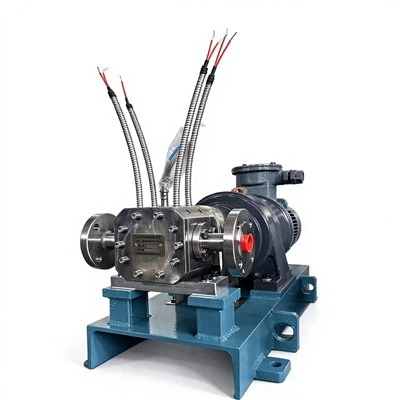
Selecting a pressure relief valve for a rotary gear pump is a crucial decision that can significantly impact the performance and safety of your pumping system. As a supplier of rotary gear pumps, I've seen firsthand how the right pressure relief valve can make all the difference. In this blog, I'll share some insights on how to choose the perfect pressure relief valve for your rotary gear pump.
Understanding the Basics of Rotary Gear Pumps
Before we dive into selecting a pressure relief valve, let's quickly go over what rotary gear pumps are. Rotary gear pumps are positive displacement pumps that use two or more gears to transfer fluid. They're known for their reliability, efficiency, and ability to handle a wide range of viscosities. Whether you're pumping water, oil, or other fluids, rotary gear pumps are a popular choice in many industries.
Why You Need a Pressure Relief Valve
A pressure relief valve is an essential safety device for any pumping system, including rotary gear pumps. Its primary function is to protect the pump and the entire system from overpressure. If the pressure in the system exceeds the safe operating limit, the pressure relief valve will open and release the excess pressure, preventing damage to the pump and other components.
Factors to Consider When Selecting a Pressure Relief Valve
1. Pressure Rating
The pressure rating of the relief valve is one of the most critical factors to consider. It should be set slightly higher than the normal operating pressure of the rotary gear pump but lower than the maximum allowable working pressure of the system. For example, if your rotary gear pump operates at a normal pressure of 100 psi and the system's maximum allowable working pressure is 150 psi, you might choose a pressure relief valve with a setting of 120 psi.
2. Flow Capacity
The flow capacity of the pressure relief valve must be sufficient to handle the maximum flow rate of the pump in case of an overpressure situation. If the flow capacity of the relief valve is too low, it won't be able to release the excess pressure quickly enough, which can lead to system damage. To determine the required flow capacity, you'll need to know the maximum flow rate of your rotary gear pump.


3. Valve Type
There are several types of pressure relief valves available, including direct-acting, pilot-operated, and balanced bellows. Direct-acting relief valves are simple and reliable, making them a popular choice for many applications. Pilot-operated relief valves are more suitable for high-pressure systems, as they can handle larger flow rates with less pressure drop. Balanced bellows relief valves are often used in applications where the backpressure in the system can affect the valve's performance.
4. Material Compatibility
The materials used in the construction of the pressure relief valve must be compatible with the fluid being pumped. For example, if you're pumping a corrosive fluid, you'll need a relief valve made of corrosion-resistant materials such as stainless steel or brass. Using incompatible materials can lead to valve failure and system leaks.
5. Temperature Range
The operating temperature of the system can also affect the performance of the pressure relief valve. Make sure the relief valve you choose can operate effectively within the temperature range of your pumping system. Some valves are designed to handle high temperatures, while others are more suitable for low-temperature applications.
Our Rotary Gear Pump Offerings
As a rotary gear pump supplier, we offer a wide range of pumps to meet different application needs. For instance, our Strong Water Delivery Special Gear Metering Pump is designed for efficient water delivery. It features high precision and reliability, making it a great choice for water treatment plants and other applications.
If you're looking for a pump to handle sodium silicate, our Sodium Silicate Gear Metering Pump With Simple Construction is an excellent option. Its simple design makes it easy to operate and maintain, while still providing accurate metering of sodium silicate.
For heavy-duty applications, our Cast Iron External Gear Metering Pumps are built to last. Made of high-quality cast iron, these pumps can withstand high pressures and harsh operating conditions.
How to Make the Right Selection
Now that you know the factors to consider when selecting a pressure relief valve for your rotary gear pump, how do you make the right choice? Here are some steps to guide you:
- Evaluate Your System Requirements: Start by understanding the specific requirements of your pumping system, including the operating pressure, flow rate, fluid type, and temperature range.
- Research Different Valve Options: Look into different types of pressure relief valves and compare their features, performance, and price. Consider consulting with a valve manufacturer or an expert in the field for advice.
- Check for Compatibility: Make sure the pressure relief valve you choose is compatible with your rotary gear pump and the rest of the system components.
- Consider Long-Term Costs: While the initial cost of the pressure relief valve is important, also consider the long-term costs, such as maintenance, repair, and replacement.
Conclusion
Selecting the right pressure relief valve for your rotary gear pump is a critical step in ensuring the safety and efficiency of your pumping system. By considering factors such as pressure rating, flow capacity, valve type, material compatibility, and temperature range, you can make an informed decision. As a rotary gear pump supplier, we're here to help you find the perfect pressure relief valve for your needs. If you have any questions or need further assistance, don't hesitate to contact us for a consultation. We're ready to work with you to optimize your pumping system and ensure its long-term performance.
References
- API 520, Sizing, Selection, and Installation of Pressure - Relieving Devices in Refineries
- ASME Boiler and Pressure Vessel Code, Section VIII, Division 1