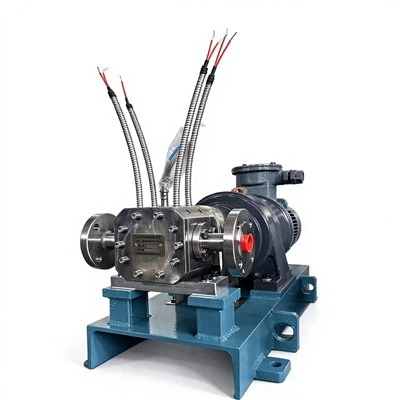
Hey there! As a gear pump supplier, I've seen my fair share of issues with these nifty little devices. Gear pumps are widely used in various industries for their reliability and efficiency, but like any mechanical equipment, they can run into problems from time to time. In this blog post, I'm gonna walk you through how to troubleshoot a gear pump.
1. Check the Basics First
Before you start tearing the pump apart, it's always a good idea to check the basics. This includes things like power supply, connections, and the condition of the fluid being pumped.
Power Supply
Make sure the pump is getting power. Check if the power switch is on, and if there are any blown fuses or tripped circuit breakers. If you're using a variable frequency drive (VFD), ensure that it's set up correctly and not malfunctioning. Sometimes, a simple power issue can make it seem like the pump is broken when it's just not getting the juice it needs.
Connections
Inspect all the connections, including the inlet and outlet pipes, electrical connections, and any hoses. Loose connections can cause leaks, which can lead to reduced pump performance or even damage. Tighten any loose fittings, and look for signs of corrosion or damage on the connectors. If you find any damaged parts, replace them as soon as possible.
Fluid Condition
The quality of the fluid being pumped can have a big impact on the pump's performance. Check the fluid for contaminants, such as dirt, debris, or air bubbles. Contaminated fluid can cause wear and tear on the pump gears and other components, leading to premature failure. If the fluid is dirty, you may need to filter it or replace it altogether. Also, make sure the fluid has the right viscosity. If the viscosity is too high, the pump may have trouble moving the fluid; if it's too low, the pump may not be able to generate enough pressure.
2. Look for Signs of Leaks
Leaks are one of the most common problems with gear pumps. They can occur at the seals, gaskets, or connections.
Seal and Gasket Inspection
Check the seals and gaskets for signs of wear, damage, or deterioration. Over time, seals and gaskets can dry out, crack, or become brittle, allowing fluid to leak out. If you notice any leaks around the seals or gaskets, you'll need to replace them. Make sure to use the correct type of seal or gasket for your pump to ensure a proper fit.
Connection Leaks
As mentioned earlier, loose or damaged connections can also cause leaks. In addition to tightening the connections, you may need to apply a sealant to prevent further leakage. There are various types of sealants available, so choose one that's compatible with the fluid being pumped and the materials of the pump and pipes.
3. Check the Pump Performance
If the pump isn't working as it should, there could be a problem with its performance.
Flow Rate
Measure the flow rate of the pump to see if it's within the specifications. A low flow rate could indicate a blockage in the inlet or outlet pipes, a worn-out pump, or a problem with the motor. If you suspect a blockage, you can try flushing the pipes or using a pipe cleaner to remove any debris. If the pump is worn out, you may need to replace the gears or other internal components.
Pressure
Check the pressure generated by the pump. A low pressure could be caused by a variety of factors, such as a leak, a worn-out pump, or a problem with the relief valve. If the pressure is too high, it could damage the pump or other components in the system. Make sure the relief valve is set correctly and functioning properly.
4. Inspect the Pump Components
If you've ruled out the basic issues and still can't figure out what's wrong with the pump, it's time to take a closer look at the internal components.
Gears
The gears are the heart of the gear pump. Check them for signs of wear, damage, or misalignment. Worn gears can cause a decrease in pump performance, as well as increased noise and vibration. If the gears are damaged or worn beyond repair, you'll need to replace them.
Bearings
The bearings support the gears and allow them to rotate smoothly. Check the bearings for signs of wear, such as excessive play or noise. Worn bearings can cause the gears to misalign, leading to premature failure. Replace any worn bearings to ensure the proper operation of the pump.
Shaft
Inspect the shaft for signs of damage or misalignment. A bent or damaged shaft can cause the gears to wear unevenly and reduce the pump's performance. If the shaft is damaged, it may need to be replaced.
5. Consider the Application and Environment
Sometimes, the problem with the pump may be related to its application or the environment in which it's operating.
Application
Make sure the pump is being used for the right application. Different gear pumps are designed for different types of fluids, pressures, and flow rates. Using a pump that's not suitable for the application can cause premature failure. If you're not sure which pump is right for your application, consult with a professional or the pump manufacturer.
Environment
The environment in which the pump is operating can also affect its performance. Extreme temperatures, humidity, and exposure to chemicals can all cause damage to the pump. Make sure the pump is installed in a suitable location, and take steps to protect it from the elements. For example, if the pump is operating in a hot environment, you may need to provide additional cooling.
Conclusion
Troubleshooting a gear pump can be a bit of a challenge, but by following these steps, you should be able to identify and fix most problems. Remember to always check the basics first, look for signs of leaks, check the pump performance, inspect the internal components, and consider the application and environment. If you're still having trouble, don't hesitate to contact a professional or the pump manufacturer for assistance.
As a gear pump supplier, we offer a wide range of high-quality gear pumps, including Precision Metering Pump, Miniature Metering Pump, and Hydrochloric Acid Composite Material Pump. If you're in the market for a new gear pump or need help with troubleshooting your existing one, feel free to reach out to us. We're here to help you find the right solution for your needs.
References
- Pump Handbook, by Igor Karassik et al.
- Industrial Pump Maintenance, by Tom Jackson.