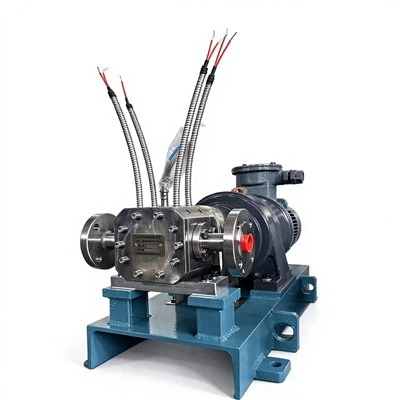
In the realm of hydraulic systems, rotary gear pumps stand as indispensable components, playing a pivotal role in facilitating the smooth and efficient operation of various machinery. As a seasoned supplier of rotary gear pumps, I have witnessed firsthand the diverse requirements and challenges that these pumps must meet to ensure optimal performance in hydraulic applications. In this blog post, I will delve into the key requirements for a rotary gear pump in a hydraulic system, shedding light on the factors that contribute to its effectiveness and reliability.
1. Flow Rate and Pressure Capability
One of the primary requirements for a rotary gear pump in a hydraulic system is its ability to deliver a consistent and appropriate flow rate at the required pressure. The flow rate, measured in liters per minute (LPM) or gallons per minute (GPM), determines the volume of hydraulic fluid that the pump can transfer within a given time frame. It is crucial to select a pump with a flow rate that matches the specific needs of the hydraulic system, taking into account factors such as the size of the actuators, the speed of operation, and the overall system requirements.
Similarly, the pressure capability of the pump is equally important. The pump must be able to generate and maintain the necessary pressure to overcome the resistance in the hydraulic system and drive the actuators effectively. Pressure is typically measured in pounds per square inch (PSI) or bars, and the pump's pressure rating should be sufficient to handle the maximum pressure requirements of the system. It is essential to consider both the operating pressure and the peak pressure that the system may encounter during normal operation or under certain conditions.
2. Efficiency and Energy Consumption
Efficiency is a critical factor in any hydraulic system, as it directly impacts the overall performance and operating costs. A rotary gear pump should be designed to operate with high efficiency, minimizing energy losses and maximizing the conversion of mechanical energy into hydraulic energy. High - efficiency pumps not only reduce energy consumption but also generate less heat, which can extend the lifespan of the hydraulic fluid and other system components.
To achieve high efficiency, the pump's internal components, such as the gears and bearings, should be precision - machined to minimize clearances and reduce leakage. Additionally, the pump's design should optimize the flow path of the hydraulic fluid, ensuring smooth and unrestricted flow. By choosing an efficient rotary gear pump, hydraulic system operators can save on energy costs and improve the overall sustainability of their operations.


3. Reliability and Durability
Reliability is of utmost importance in hydraulic systems, as any downtime can result in significant losses in productivity and revenue. A rotary gear pump must be built to withstand the harsh operating conditions typically encountered in hydraulic applications, including high pressures, high temperatures, and the presence of contaminants in the hydraulic fluid.
The pump's materials of construction play a crucial role in its reliability and durability. High - quality materials, such as cast iron, steel, or other alloys, should be used for the pump housing, gears, and other critical components. These materials should be resistant to wear, corrosion, and fatigue, ensuring long - term performance and reliability.
Regular maintenance and proper lubrication are also essential for ensuring the reliability of the pump. The pump should be designed to allow easy access for maintenance and inspection, and it should come with clear instructions on maintenance procedures. By following a strict maintenance schedule, operators can prevent premature failures and extend the service life of the pump.
4. Noise and Vibration Levels
In many industrial settings, noise and vibration can be a significant concern. Excessive noise and vibration not only create an uncomfortable working environment but can also indicate potential problems with the pump or the hydraulic system. A well - designed rotary gear pump should operate quietly and with minimal vibration.
To reduce noise and vibration, the pump's gears should be precisely meshed and balanced. The pump housing should be designed to dampen vibrations and isolate the pump from the surrounding environment. Additionally, proper installation and alignment of the pump are crucial to minimize noise and vibration levels. By choosing a pump with low noise and vibration characteristics, operators can improve the working conditions and reduce the risk of damage to the pump and other system components.
5. Compatibility with Hydraulic Fluids
Rotary gear pumps must be compatible with the hydraulic fluids used in the system. Different hydraulic fluids have different properties, such as viscosity, chemical composition, and temperature range, and the pump must be able to handle these fluids effectively.
The pump's seals and gaskets should be made of materials that are resistant to the specific hydraulic fluid being used. For example, if the system uses a synthetic hydraulic fluid, the seals should be made of materials that are compatible with synthetic fluids. Additionally, the pump's internal components should be designed to prevent corrosion and wear caused by the hydraulic fluid.
6. Size and Mounting Options
The size and mounting options of the rotary gear pump are also important considerations. The pump should be compact enough to fit into the available space in the hydraulic system, especially in applications where space is limited. At the same time, the pump's mounting design should be flexible, allowing for easy installation and integration with other system components.
There are various mounting options available for rotary gear pumps, including flange - mounted, foot - mounted, and direct - drive options. The choice of mounting option depends on the specific requirements of the hydraulic system and the available installation space. It is important to select a pump with a mounting option that is compatible with the system's design and layout.
Our Product Offerings
As a supplier of rotary gear pumps, we offer a wide range of products to meet the diverse requirements of hydraulic systems. Our Polyurethane Adhesive Universal Gear Metering Pump is designed for precise metering of polyurethane adhesives, with high - precision gears and a robust construction. The Cast Iron External Gear Metering Pumps are known for their durability and reliability, making them suitable for a variety of industrial applications. And our Motor Gear Pump combines the pump and motor into a compact unit, providing a convenient and efficient solution for hydraulic systems.
Conclusion
In conclusion, a rotary gear pump in a hydraulic system must meet several key requirements, including flow rate and pressure capability, efficiency, reliability, low noise and vibration levels, compatibility with hydraulic fluids, and appropriate size and mounting options. By carefully considering these requirements and choosing the right pump for the specific application, hydraulic system operators can ensure optimal performance, energy efficiency, and long - term reliability.
If you are in the market for a high - quality rotary gear pump for your hydraulic system, we invite you to contact us for more information. Our team of experts is ready to assist you in selecting the most suitable pump for your needs and providing you with professional advice on installation, maintenance, and operation. Let's work together to optimize your hydraulic system's performance and achieve your operational goals.
References
- Hydraulic Systems Handbook, John Wiley & Sons
- Principles of Hydraulic Engineering, McGraw - Hill Education
- Rotary Gear Pump Design and Application Guide, Industrial Press Inc.