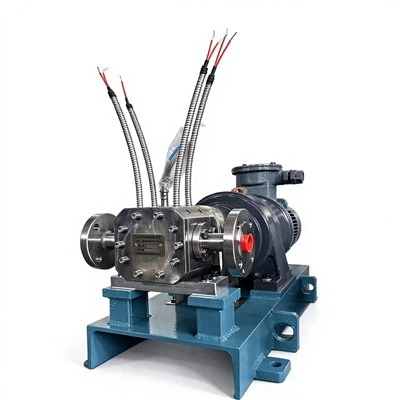
Hey there! As a supplier of Grinding Aid Pumps, I often get asked about the standards and specifications for these nifty pieces of equipment. So, I thought I'd take some time to break it all down for you in this blog post.
First off, let's talk about what a Grinding Aid Pump is. A Grinding Aid Pump, as the name suggests, is a pump used to deliver grinding aids in various industrial processes, especially in the cement industry. Grinding aids are substances added to the grinding process to improve efficiency and quality. You can learn more about Grinding Aid Pumps on our website Grinding Aid Pump.
Flow Rate
One of the most important specifications for a Grinding Aid Pump is the flow rate. The flow rate determines how much grinding aid the pump can deliver per unit of time. It's usually measured in liters per minute (L/min) or gallons per minute (GPM). The required flow rate depends on the size of the grinding operation and the amount of grinding aid needed. For small - scale operations, a pump with a lower flow rate might be sufficient, while large - scale cement plants may require pumps with much higher flow rates.
For example, in a medium - sized cement grinding unit, a flow rate of around 10 - 50 L/min might be appropriate. But in a large industrial plant, you could be looking at flow rates upwards of 100 L/min. When choosing a pump, it's crucial to accurately calculate the required flow rate to ensure optimal performance. Our Gear Metering Pump for Grinding Aid of Cement is designed to offer precise flow control, allowing you to meet the exact requirements of your grinding process.
Pressure
Pressure is another key specification. The pump needs to generate enough pressure to overcome the resistance in the piping system and deliver the grinding aid to the desired location. Pressure is typically measured in pounds per square inch (PSI) or bars.
In a grinding aid delivery system, the pressure requirements can vary depending on factors such as the length of the pipeline, the number of bends, and the elevation difference. A typical pressure range for a Grinding Aid Pump might be between 10 - 50 PSI. However, in more complex systems with long pipelines or high - elevation differences, higher pressures may be needed. Our pumps are engineered to handle a wide range of pressure requirements, ensuring reliable operation in different setups.
Material Compatibility
Grinding aids can come in different chemical compositions, and it's essential that the pump materials are compatible with these substances. Otherwise, the pump can corrode or degrade over time, leading to reduced performance and potential breakdowns.
Common materials used in Grinding Aid Pumps include stainless steel, cast iron, and certain types of plastics. Stainless steel is a popular choice because it offers good corrosion resistance, especially against acidic or alkaline grinding aids. Cast iron is more cost - effective but may not be suitable for highly corrosive substances. For pumps handling abrasive grinding aids, Abrasive Special Pump with special wear - resistant materials are available. These pumps are designed to withstand the harsh conditions and extend the service life.
Viscosity Handling
The viscosity of the grinding aid also plays a significant role in pump selection. Viscosity refers to the thickness or resistance to flow of a fluid. High - viscosity grinding aids are more difficult to pump compared to low - viscosity ones.
A pump needs to be able to handle the specific viscosity of the grinding aid. Some pumps are better suited for low - viscosity fluids, while others can handle high - viscosity substances. For high - viscosity grinding aids, pumps with larger clearances and more powerful motors may be required. Our pumps are designed to handle a wide range of viscosities, ensuring smooth and efficient operation regardless of the type of grinding aid you're using.
Accuracy and Precision
In many grinding processes, accurate and precise delivery of the grinding aid is crucial. Even a small deviation in the amount of grinding aid can affect the quality of the final product. That's why pumps need to offer high levels of accuracy and precision.
Our pumps are equipped with advanced metering mechanisms that allow for precise control of the flow rate. This ensures that the exact amount of grinding aid is delivered at all times, helping you maintain consistent product quality. Whether you're running a small - batch operation or a large - scale production line, our pumps can meet your accuracy requirements.
Reliability and Durability
Industrial environments can be tough on equipment, and a Grinding Aid Pump needs to be reliable and durable. It should be able to operate continuously for long periods without breakdowns.
We build our pumps with high - quality components and use advanced manufacturing techniques to ensure reliability. Regular maintenance is also important to keep the pump in top condition. Our pumps are designed for easy maintenance, with accessible parts and clear service instructions. This helps minimize downtime and keep your grinding process running smoothly.
Safety Features
Safety is always a top priority. Grinding Aid Pumps should be equipped with safety features to prevent accidents and protect operators.
Some common safety features include over - pressure protection, which shuts off the pump if the pressure exceeds a certain limit. There should also be leak detection systems to alert operators if there's a problem with the pump or the piping. Our pumps are designed with multiple safety features to ensure a safe working environment.
Regulatory Compliance
In addition to the technical specifications, Grinding Aid Pumps need to comply with various industry regulations. These regulations ensure that the pumps are safe, efficient, and environmentally friendly.
We make sure that all our pumps meet the relevant industry standards and regulations. This gives you peace of mind knowing that you're using a compliant and reliable product. Whether it's local regulations or international standards, we've got you covered.


If you're in the market for a Grinding Aid Pump, I hope this blog post has given you a better understanding of the standards and specifications to look for. Our team of experts is always ready to help you choose the right pump for your specific needs. Whether you have questions about flow rates, pressure requirements, or material compatibility, we can provide the guidance you need. Don't hesitate to reach out to us for more information and to start a discussion about your procurement needs. We're here to make sure you get the best - suited Grinding Aid Pump for your operation.
References
- Cement Industry Handbook: Covers general information about cement production, including the use of grinding aids and pumps.
- Pump Manufacturer's Technical Guides: Provide detailed specifications and performance data for different types of pumps.
- Industry Standards and Regulations: Documents that outline the safety and quality requirements for industrial pumps.