

Flow stability is a critical aspect when it comes to gear flow dividers, a product line we are proud to supply. In the world of fluid power systems, gear flow dividers play an indispensable role in ensuring that the flow of hydraulic fluid is evenly distributed among multiple actuators. This distribution is crucial for the proper functioning of many industrial applications, such as construction machinery, agricultural equipment, and manufacturing automation.
Understanding Gear Flow Dividers
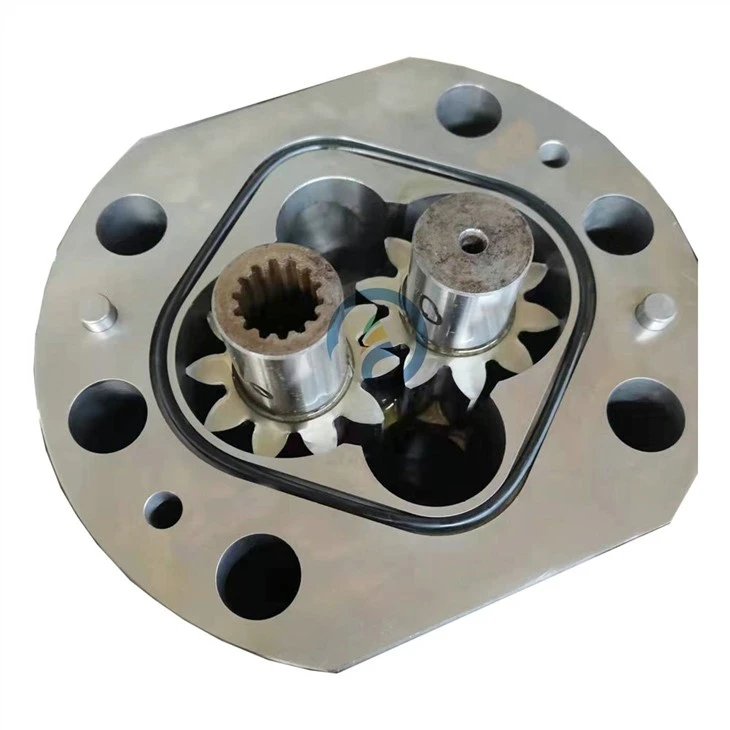
Before delving into the concept of flow stability, let's first understand what a gear flow divider is. A gear flow divider is a device that divides an incoming flow of hydraulic fluid into two or more equal or proportional flows. It consists of meshing gears that rotate within a housing. As the fluid enters the divider, it is forced through the spaces between the gears, which then transfer the fluid to the output ports.
The principle behind a gear flow divider is based on the positive displacement of fluid. Each tooth space between the gears traps a specific volume of fluid and transports it from the inlet to the outlet. This positive displacement ensures that the flow is divided in a predictable and consistent manner, provided that the operating conditions are stable.

Importance of Flow Stability
Flow stability refers to the ability of a gear flow divider to maintain a consistent flow rate at each output port over time, regardless of changes in the input flow, pressure, or temperature. A stable flow is essential for several reasons:
- Precision and Accuracy: In many industrial applications, precise control of the fluid flow is required to ensure accurate operation of the actuators. For example, in a multi - axis hydraulic press, uneven flow distribution can lead to uneven force application, resulting in defective products. Flow stability ensures that each axis receives the correct amount of fluid, leading to precise and accurate operation.
- Equipment Longevity: Unstable flow can cause excessive wear and tear on the actuators and other components in the hydraulic system. Fluctuations in flow rate can lead to sudden changes in pressure, which can damage seals, valves, and other sensitive parts. By maintaining a stable flow, the gear flow divider helps to extend the lifespan of the entire hydraulic system.
- System Efficiency: A stable flow reduces energy losses in the hydraulic system. When the flow is unstable, the system may require additional energy to compensate for the fluctuations, leading to increased power consumption. Flow stability ensures that the system operates at its maximum efficiency, reducing operating costs.
Factors Affecting Flow Stability
Several factors can affect the flow stability of a gear flow divider:
- Gear Design: The design of the gears, including the number of teeth, tooth profile, and gear clearance, plays a significant role in flow stability. Gears with a larger number of teeth generally provide a smoother flow, as the fluid is divided into smaller increments. A proper tooth profile ensures that the fluid is transferred smoothly between the gears, minimizing pressure fluctuations. Additionally, the gear clearance must be carefully controlled to prevent leakage and ensure consistent flow.
- Input Flow and Pressure: Variations in the input flow rate and pressure can have a direct impact on the flow stability of the gear flow divider. Sudden changes in input flow, such as those caused by pump pulsations or valve switching, can disrupt the flow distribution. Similarly, high - pressure differentials across the divider can cause the gears to deform, leading to uneven flow. To mitigate these effects, it is important to select a gear flow divider that is rated for the expected input flow and pressure range.
- Fluid Viscosity: The viscosity of the hydraulic fluid affects its ability to flow through the gear flow divider. High - viscosity fluids can cause increased resistance, leading to pressure drops and reduced flow stability. On the other hand, low - viscosity fluids may not provide sufficient lubrication, resulting in increased wear on the gears. It is important to use a fluid with the appropriate viscosity for the operating temperature and conditions of the hydraulic system.
- Temperature: Temperature changes can affect the viscosity of the hydraulic fluid and the dimensions of the gear flow divider components. As the temperature increases, the fluid viscosity decreases, which can lead to changes in the flow rate. Additionally, thermal expansion of the gears and housing can affect the gear clearance, potentially causing leakage and flow instability. To maintain flow stability, it is important to select a gear flow divider that is designed to operate within a wide temperature range.
Our Gear Flow Divider Products
As a leading supplier of gear flow dividers, we offer a wide range of products designed to meet the diverse needs of our customers. Our products include Flange Connection Gear Flow Dividers With External Gears, which are suitable for applications requiring a reliable and robust connection. These dividers feature external gears that provide excellent flow distribution and high - pressure capabilities.
We also offer Flow Dividers With Relief Valves. The relief valves in these dividers protect the system from over - pressure conditions, ensuring the safety and stability of the flow. In addition, our 2 Sections Hydraulic Gear Flow Divider is a popular choice for applications where a simple and compact solution is required.
Ensuring Flow Stability in Our Products
To ensure the flow stability of our gear flow dividers, we employ several advanced manufacturing and design techniques:
- Precision Machining: Our gears are machined to extremely tight tolerances to ensure accurate tooth profiles and consistent gear clearances. This precision machining helps to minimize leakage and ensure smooth fluid transfer, resulting in stable flow rates.
- Quality Materials: We use high - quality materials for our gear flow dividers, including hardened steel and special alloys. These materials provide excellent wear resistance and dimensional stability, even under high - pressure and high - temperature conditions.
- Testing and Validation: Each gear flow divider undergoes rigorous testing and validation before it is released to the market. We test the flow stability under various operating conditions, including different input flows, pressures, and temperatures, to ensure that our products meet the highest standards of performance.
Contact Us for Your Gear Flow Divider Needs
If you are in the market for a reliable and high - performance gear flow divider, we invite you to contact us for more information. Our team of experts is ready to assist you in selecting the right product for your specific application. Whether you need a standard product or a custom - designed solution, we have the expertise and resources to meet your requirements.
References
- "Hydraulic Fluid Power - Gear Pumps, Motors and Flow Dividers - Definitions and Methods of Testing", ISO 4409:2017.
- "Fluid Power Technology", by Anthony Esposito, 2019.
- "Handbook of Hydraulic Fluid Technology", by George Totten, 2012.





