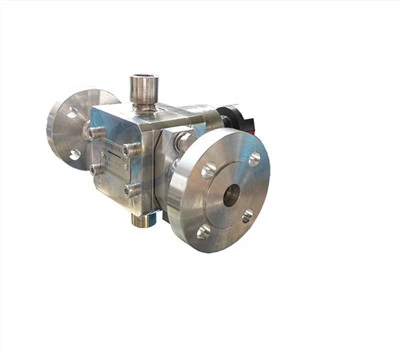
The lifespan of a chemical pump is a critical consideration for industries that rely on these pumps for various processes. As a chemical pump supplier, I have encountered numerous customers who are eager to understand how long they can expect their pumps to last. In this blog post, I will delve into the factors that influence the lifespan of a chemical pump and provide some insights on how to extend its service life.


Factors Affecting the Lifespan of a Chemical Pump
1. Quality of the Pump
The quality of the pump itself is a fundamental factor in determining its lifespan. High - quality chemical pumps are typically constructed with superior materials and advanced manufacturing processes. For example, pumps made from corrosion - resistant materials such as stainless steel or special alloys can withstand the harsh chemicals they are exposed to. Our Chemical Pump is designed with top - notch materials and precision engineering, ensuring a longer lifespan compared to lower - quality alternatives.
2. Nature of the Chemicals Handled
The type of chemicals being pumped has a significant impact on the pump's lifespan. Some chemicals are highly corrosive, abrasive, or viscous, which can cause wear and tear on the pump components. For instance, pumping strong acids or alkalis can corrode the pump housing, impeller, and seals. In such cases, choosing a pump specifically designed for the chemical in question is crucial. Our Insulation Gear Metering Pump For Petrochemical Industry is engineered to handle a wide range of petrochemicals, providing reliable performance even in challenging environments.
3. Operating Conditions
The operating conditions of the pump play a vital role in its longevity. Factors such as temperature, pressure, and flow rate can affect the pump's performance and durability. Running a pump at high temperatures or pressures beyond its design limits can lead to premature failure. Additionally, continuous operation without proper maintenance can also reduce the pump's lifespan. It is important to monitor and control these operating conditions to ensure the pump operates within its optimal range.
4. Maintenance and Service
Regular maintenance and servicing are essential for extending the lifespan of a chemical pump. This includes tasks such as lubrication, seal replacement, and inspection of pump components. Neglecting maintenance can result in increased wear, leaks, and reduced efficiency. Our team of experts can provide comprehensive maintenance services for our E Series Gear Metering Pump and other chemical pumps, ensuring they operate at peak performance for an extended period.
Typical Lifespan of a Chemical Pump
The lifespan of a chemical pump can vary widely depending on the factors mentioned above. On average, a well - maintained chemical pump can last anywhere from 5 to 15 years. However, in some cases, with proper care and ideal operating conditions, a pump can last even longer.
For example, if a pump is used in a relatively mild chemical environment, with proper maintenance and operating within its design parameters, it may reach the upper end of the lifespan range. On the other hand, if a pump is exposed to highly corrosive chemicals or operates under extreme conditions, its lifespan may be significantly shorter.
Extending the Lifespan of a Chemical Pump
1. Select the Right Pump
Choosing the right pump for the specific application is the first step in ensuring a long lifespan. Consider factors such as the type of chemical, flow rate, pressure requirements, and temperature. Our team of experts can assist you in selecting the most suitable pump for your needs, taking into account all these factors.
2. Follow Manufacturer's Guidelines
It is important to follow the manufacturer's guidelines for installation, operation, and maintenance. These guidelines are designed to ensure the pump operates safely and efficiently. For example, proper installation can prevent issues such as misalignment, which can lead to premature wear.
3. Regular Inspections and Maintenance
Schedule regular inspections and maintenance tasks to identify and address any potential issues before they become major problems. This includes checking for leaks, monitoring the performance of the pump, and replacing worn - out components. Our maintenance services can help you keep your pump in optimal condition.
4. Training for Operators
Provide proper training for the operators who will be using the pump. Operators should be aware of the correct operating procedures, safety precautions, and how to recognize signs of potential problems. Well - trained operators can help prevent damage to the pump and ensure its long - term reliability.
Conclusion
The lifespan of a chemical pump is influenced by multiple factors, including the quality of the pump, the nature of the chemicals handled, operating conditions, and maintenance. By selecting the right pump, following manufacturer's guidelines, performing regular maintenance, and training operators, you can extend the lifespan of your chemical pump and ensure reliable performance.
If you are in the market for a high - quality chemical pump or need assistance with pump maintenance, we are here to help. Our range of Chemical Pump, Insulation Gear Metering Pump For Petrochemical Industry, and E Series Gear Metering Pump are designed to meet the diverse needs of various industries. Contact us today to discuss your requirements and start a procurement negotiation.
References
- Chemical Pump Handbook, various industry publications
- Manufacturer's technical documentation for chemical pumps