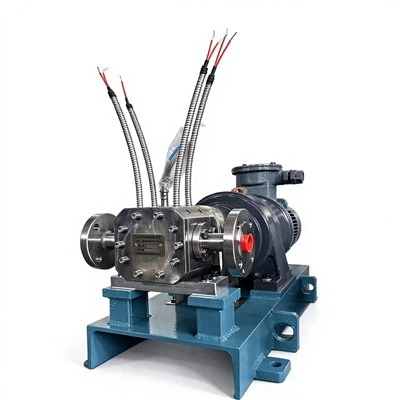
Hey there! As a supplier of metering pumps, I often get asked about the maximum particle size these pumps can handle. It's a crucial question, especially for industries where the fluid being pumped contains solid particles. So, let's dive right in and explore this topic in detail.
First off, what exactly is a metering pump? Well, it's a type of pump that's designed to deliver a precise and adjustable flow rate of fluid. These pumps are used in a wide range of industries, including chemical processing, food and beverage, water treatment, and more. They're essential for applications where accurate dosing is required, such as adding chemicals to a process stream or injecting fuel into an engine.
Now, let's talk about particle size. The maximum particle size a metering pump can handle depends on several factors, including the pump design, the type of fluid being pumped, and the operating conditions. Generally speaking, most metering pumps can handle particles up to a certain size without any issues. However, if the particles are too large, they can cause problems such as clogging, wear, and reduced pump performance.
One of the main factors that affects the maximum particle size a metering pump can handle is the pump design. Different types of metering pumps have different internal components and clearances, which can impact their ability to handle particles. For example, diaphragm metering pumps typically have a more forgiving design and can handle larger particles compared to piston metering pumps. This is because the diaphragm acts as a barrier between the fluid and the pump components, reducing the risk of damage from particles.
Another important factor is the type of fluid being pumped. Some fluids, such as water and thin oils, are relatively easy to pump and can handle larger particles compared to more viscous fluids. Viscous fluids, such as syrups and polymers, tend to trap particles more easily and can cause clogging if the particles are too large. Additionally, the chemical properties of the fluid can also affect the pump's ability to handle particles. For example, corrosive fluids can damage the pump components and reduce their ability to handle particles.
The operating conditions also play a role in determining the maximum particle size a metering pump can handle. Factors such as the pressure, temperature, and flow rate can all impact the pump's performance and its ability to handle particles. Higher pressures and flow rates can increase the risk of particle damage to the pump components, while higher temperatures can cause the fluid to become more viscous and trap particles more easily.
So, what is the maximum particle size a metering pump can handle? Well, it's difficult to give a specific answer as it depends on the factors mentioned above. However, as a general rule of thumb, most metering pumps can handle particles up to 100 microns in size without any issues. For applications where larger particles are present, special considerations may need to be taken, such as using a pump with a larger internal clearance or installing a pre-filter to remove the particles before they enter the pump.
At our company, we offer a wide range of metering pumps that are designed to handle different particle sizes and applications. Our External Metering Pump is a popular choice for applications where accurate dosing of fluids is required. It has a robust design and can handle particles up to a certain size, making it suitable for a variety of industries.
If you're working with molten materials, our Melt Metering Pump is the perfect solution. It's specifically designed to handle high-temperature and high-viscosity fluids and can handle particles that are commonly found in molten materials.
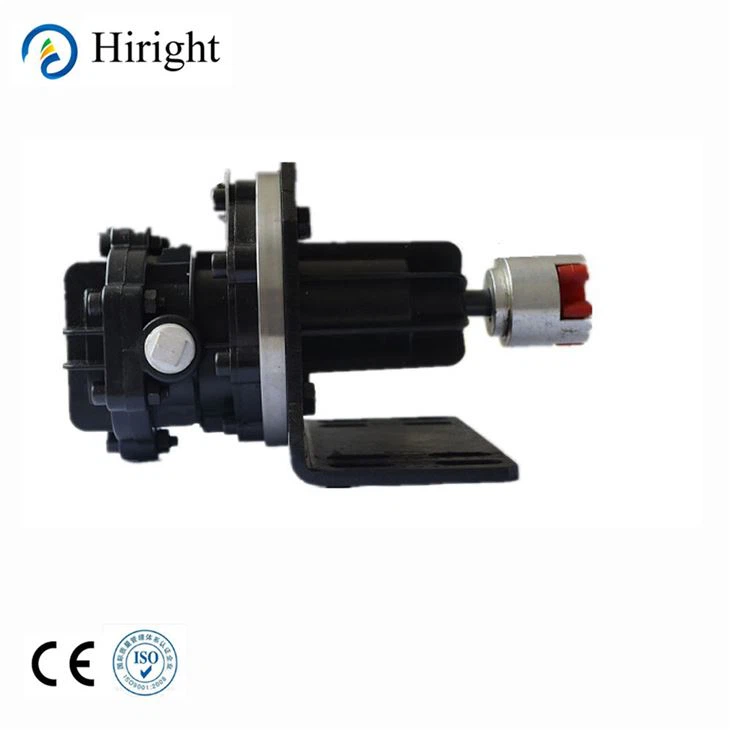
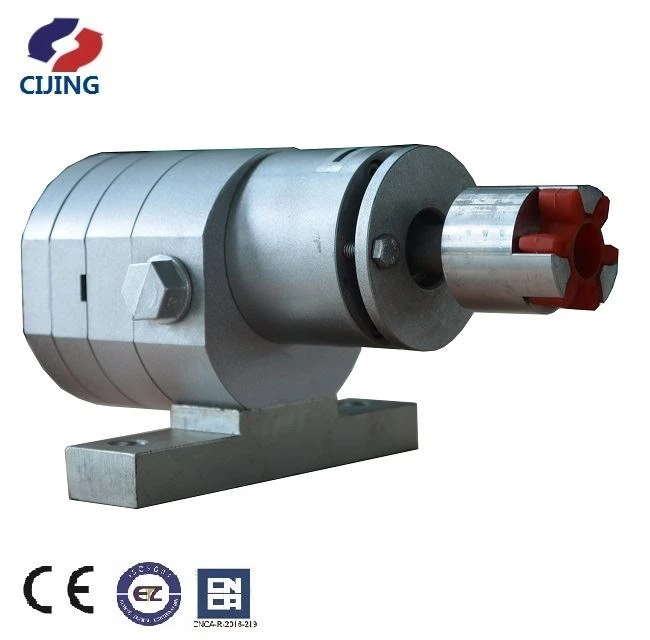
For chemical processing applications, our Chemical Metering Pump is a reliable choice. It's made from high-quality materials that are resistant to corrosion and can handle a wide range of chemicals and particle sizes.
In conclusion, the maximum particle size a metering pump can handle depends on several factors, including the pump design, the type of fluid being pumped, and the operating conditions. While most metering pumps can handle particles up to 100 microns in size, it's important to consider the specific requirements of your application and choose a pump that's suitable for your needs. If you're unsure which pump is right for you, our team of experts is here to help. We can provide you with detailed information and recommendations based on your specific requirements.
If you're interested in learning more about our metering pumps or have any questions about the maximum particle size they can handle, please don't hesitate to get in touch. We're always happy to assist you and discuss your procurement needs. Whether you're a small business or a large corporation, we can provide you with the right metering pump solution at a competitive price.
References
- Metering Pump Handbook: A Guide to Selection, Installation, and Maintenance
- Pumping Technology Magazine: Articles on Metering Pumps and Particle Handling
- Industry Standards and Guidelines for Metering Pump Performance and Particle Size Limits