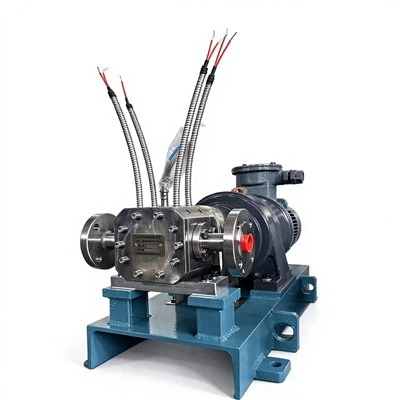
Centrifugal chemical pumps are a cornerstone in the chemical industry, known for their ability to transfer a wide range of chemicals efficiently and safely. As a chemical pump supplier, understanding when to use a centrifugal chemical pump is crucial for providing the best solutions to our customers. In this blog, we will explore the key scenarios where centrifugal chemical pumps shine and why they are the go - to choice in these situations.
1. High - Volume Chemical Transfer
One of the primary applications of centrifugal chemical pumps is for high - volume chemical transfer. These pumps are designed to move large quantities of fluids at relatively high flow rates. In chemical manufacturing plants, where thousands of gallons of chemicals need to be transferred from storage tanks to processing units or from one part of the facility to another, centrifugal pumps are an ideal choice.
The impeller in a centrifugal pump rotates at high speed, creating a centrifugal force that pushes the chemical fluid outwards from the center of the impeller. This force enables the pump to handle large volumes of fluid with ease. For example, in a large - scale fertilizer production plant, centrifugal chemical pumps can transfer massive amounts of liquid ammonia, phosphoric acid, and other raw materials between different stages of the production process.
2. Low - Viscosity Chemicals
Centrifugal chemical pumps work best with low - viscosity chemicals. Viscosity refers to a fluid's resistance to flow. Low - viscosity fluids, such as water, solvents, and many common acids and bases, flow easily through the pump. The design of centrifugal pumps is optimized for these types of fluids, as the impeller can efficiently impart energy to the fluid and move it through the pump casing.
When dealing with low - viscosity chemicals, centrifugal pumps can achieve high flow rates with relatively low power consumption. For instance, in a pharmaceutical manufacturing facility, centrifugal pumps are often used to transfer ethanol, a low - viscosity solvent, during the extraction and purification processes. The smooth flow of ethanol through the pump ensures efficient operation and reduces the risk of clogging or mechanical failure.
3. Continuous - Flow Applications
Centrifugal chemical pumps are well - suited for continuous - flow applications. In many chemical processes, a constant and uninterrupted flow of chemicals is required to maintain the stability and efficiency of the operation. Centrifugal pumps can provide a steady flow of fluid, making them ideal for such applications.
In a water treatment plant, for example, centrifugal chemical pumps are used to continuously add chemicals such as chlorine, coagulants, and flocculants to the water. The consistent flow of these chemicals ensures proper disinfection, sedimentation, and filtration of the water. Similarly, in a power generation plant, centrifugal pumps are used to continuously circulate cooling water through the condensers to maintain the optimal operating temperature of the turbines.


4. Chemicals with Low - to - Moderate Pressure Requirements
Centrifugal chemical pumps are capable of generating moderate pressures, which makes them suitable for applications where the chemical transfer does not require extremely high pressures. These pumps can typically handle pressures in the range of a few psi (pounds per square inch) to several hundred psi, depending on the pump design and operating conditions.
In a chemical storage facility, centrifugal pumps can be used to transfer chemicals from storage tanks to tanker trucks or railcars. The pressure generated by the pump is sufficient to overcome the resistance in the piping system and fill the transportation containers at a reasonable rate. However, for applications that require very high pressures, such as high - pressure injection in oil and gas wells, other types of pumps may be more appropriate.
5. Corrosive and Abrasive Chemicals
As a chemical pump supplier, we understand the importance of handling corrosive and abrasive chemicals safely and effectively. Centrifugal chemical pumps can be constructed from a variety of materials, including stainless steel, polypropylene, and fluoropolymers, which are resistant to corrosion and abrasion.
In a metal plating plant, for example, centrifugal pumps made of corrosion - resistant materials are used to transfer acidic and alkaline solutions. These solutions are highly corrosive and can damage ordinary pumps, but the specially designed centrifugal pumps can withstand the harsh chemical environment. Similarly, in a mining operation, centrifugal pumps with abrasion - resistant components can handle slurries containing abrasive particles, such as sand and ore, without significant wear and tear.
6. Applications Requiring Flexibility
Centrifugal chemical pumps offer a high degree of flexibility in terms of installation and operation. They can be installed in various orientations, including horizontal, vertical, and submersible, depending on the specific requirements of the application. This flexibility allows for easy integration into different types of chemical processing systems.
In addition, centrifugal pumps can be easily adjusted to change the flow rate and pressure by adjusting the speed of the impeller. This makes them suitable for applications where the process requirements may vary over time. For example, in a chemical research laboratory, a centrifugal pump can be used to transfer different volumes of chemicals at different pressures during various experiments.
Related Products for Specialized Applications
If you are dealing with applications that require heating or thermal insulation of the pumped chemicals, we offer a range of specialized pumps. Our Electric Heating System Gear Metering Pump is designed to maintain the temperature of the chemical during the metering process. It is ideal for applications where the viscosity of the chemical is temperature - sensitive.
The Thermal Insulation External Gear Metering Pump provides excellent thermal insulation, ensuring that the chemical remains at the desired temperature throughout the transfer process. This pump is suitable for applications where heat loss needs to be minimized.
For applications that require precise temperature control, our Electric Heater Preservation Pump is a great choice. It combines the functions of heating and pumping, allowing for efficient and accurate transfer of temperature - sensitive chemicals.
Conclusion
Centrifugal chemical pumps are a versatile and reliable solution for many chemical transfer applications. Their ability to handle high - volume, low - viscosity chemicals, provide continuous flow, and withstand corrosive and abrasive environments makes them a popular choice in the chemical industry. As a chemical pump supplier, we are committed to providing our customers with the best centrifugal pump solutions for their specific needs.
If you are in the market for a centrifugal chemical pump or any of our specialized pumps, we invite you to contact us for a detailed discussion about your requirements. Our team of experts will work closely with you to understand your application and recommend the most suitable pump for your project. Let's start a conversation and find the perfect pumping solution for your chemical processing needs.
References
- "Chemical Pump Handbook" - A comprehensive guide on the selection, operation, and maintenance of chemical pumps.
- "Centrifugal Pump Technology" - Research papers and case studies on the design and performance of centrifugal pumps in chemical applications.
- Industry standards and guidelines related to chemical pump safety and performance.