As a seasoned supplier of chemical pumps, I often encounter inquiries from clients about the maximum pressure a chemical pump can withstand. This is a crucial question, as the pressure - handling capacity of a chemical pump directly impacts its performance, safety, and suitability for various applications. In this blog, I'll delve into the factors that determine a chemical pump's maximum pressure, the types of pumps and their pressure capabilities, and how to select the right pump based on pressure requirements.
Factors Determining the Maximum Pressure of a Chemical Pump
Pump Design and Construction
The design of a chemical pump plays a pivotal role in its pressure - handling ability. Pumps are engineered with specific components and geometries to manage pressure effectively. For instance, the impeller design in centrifugal pumps affects the pump's ability to generate pressure. A well - designed impeller can efficiently transfer energy from the motor to the fluid, resulting in higher pressure outputs.
The materials used in pump construction also matter significantly. Pumps made from high - strength materials such as stainless steel or specialized alloys can withstand higher pressures compared to those made from less robust materials. These materials are chosen for their ability to resist deformation and corrosion under high - pressure conditions.
Motor Power
The power of the motor driving the pump is directly related to the pressure it can generate. A more powerful motor can provide the necessary energy to push the fluid through the system at higher pressures. When selecting a chemical pump, it's essential to match the motor power with the desired pressure and flow rate requirements. An underpowered motor may not be able to achieve the required pressure, while an overpowered motor can lead to excessive energy consumption and potential damage to the pump.
Sealing Mechanisms
Effective sealing is crucial for maintaining pressure within the pump. Leaks can cause a loss of pressure and reduce the pump's efficiency. Different types of seals, such as mechanical seals or gland packing, are used depending on the pressure and the nature of the fluid being pumped. High - pressure applications often require advanced sealing technologies to prevent fluid leakage and ensure the pump operates safely.


Types of Chemical Pumps and Their Pressure Capabilities
Centrifugal Pumps
Centrifugal pumps are one of the most commonly used types of chemical pumps. They work by using an impeller to increase the velocity of the fluid, which is then converted into pressure. The maximum pressure a centrifugal pump can withstand typically ranges from a few psi (pounds per square inch) to several hundred psi, depending on the pump's design and size. Small - scale centrifugal pumps used in laboratory settings may have a maximum pressure of around 50 - 100 psi, while large industrial centrifugal pumps can handle pressures up to 500 psi or more.
Positive Displacement Pumps
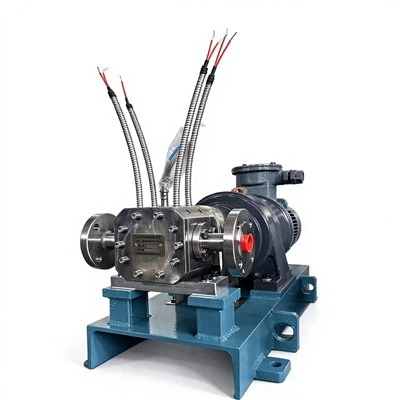
Positive displacement pumps, such as gear pumps and piston pumps, operate by trapping a fixed volume of fluid and then forcing it into the discharge line. These pumps are capable of generating much higher pressures compared to centrifugal pumps. Gear pumps, for example, can handle pressures up to 1000 psi or more. They are often used in applications where high - pressure and precise flow control are required, such as in the Oil Steam Heat System For Convey Paraffin Wax Gear Metering Pump.
Piston pumps can achieve even higher pressures, sometimes exceeding 5000 psi. They are commonly used in high - pressure applications such as hydraulic systems and some chemical processing operations.
Selecting the Right Chemical Pump Based on Pressure Requirements
When choosing a chemical pump, it's essential to accurately determine the pressure requirements of your application. Here are some steps to guide you through the selection process:
Assess the System Pressure
Understand the pressure requirements of your entire system, including the pressure needed to overcome friction losses in the pipes, valves, and other components. Consider the maximum and minimum pressure conditions that the pump will encounter during operation.
Consider the Fluid Properties
The properties of the fluid being pumped, such as viscosity, density, and corrosiveness, can affect the pump's performance and pressure - handling ability. For example, highly viscous fluids require more energy to pump and may need a pump with a higher pressure - generating capacity.
Evaluate the Pump's Performance Curve
Each pump has a performance curve that shows the relationship between the flow rate and the pressure it can generate. By analyzing the performance curve, you can determine if the pump can meet your specific pressure and flow rate requirements.
Real - World Applications and Pressure Considerations
In the chemical industry, different processes require pumps with varying pressure capabilities. For example, in the production of asphalt, Asphalt Gear Metering Pump are used to transfer the hot, viscous asphalt at high pressures. These pumps need to be able to withstand the high pressures required to move the asphalt through the pipelines and into storage tanks or processing equipment.
In the pharmaceutical industry, where precision and cleanliness are crucial, chemical pumps are used to transfer various fluids at specific pressures. Stainless steel pumps, such as the Stainless Steel Insulation Pump, are often preferred for their corrosion resistance and ability to maintain the required pressure in a sterile environment.
Safety Considerations When Operating High - Pressure Chemical Pumps
Operating high - pressure chemical pumps requires strict adherence to safety protocols. High - pressure systems can pose significant risks, including the potential for leaks, explosions, and injuries to personnel. Here are some safety measures to consider:
Regular Maintenance
Perform regular maintenance on the pump, including checking the seals, valves, and other components for wear and tear. Replace any damaged parts promptly to prevent leaks and ensure the pump operates safely.
Pressure Relief Devices
Install pressure relief devices, such as pressure relief valves, in the system to prevent over - pressurization. These devices will automatically release pressure if it exceeds a safe level.
Operator Training
Ensure that operators are properly trained in the operation and maintenance of high - pressure chemical pumps. They should be aware of the potential hazards and know how to respond in case of an emergency.
Conclusion
The maximum pressure a chemical pump can withstand depends on various factors, including its design, construction, motor power, and sealing mechanisms. Different types of pumps have different pressure capabilities, and selecting the right pump for your application is crucial for ensuring efficient and safe operation.
If you're in the market for a chemical pump and need assistance in choosing the right one based on your pressure requirements, don't hesitate to reach out. Our team of experts is ready to help you find the perfect solution for your specific needs. Whether you're involved in the chemical, pharmaceutical, or any other industry that requires reliable chemical pumps, we can provide you with high - quality products and professional advice. Contact us today to start the procurement discussion and find the ideal chemical pump for your application.
References
- Chemical Engineering Handbook, various editions
- Pump Manufacturer's Technical Documentation
- Industry Standards and Guidelines for Chemical Pumping Systems