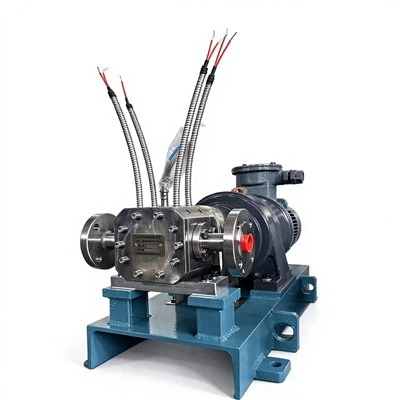
As a seasoned supplier of Asphalt Gear Pumps, I understand the critical role these pumps play in various industrial applications, especially in asphalt processing. One of the most common challenges our customers face is adjusting the flow rate of these pumps to meet specific operational requirements. In this blog post, I'll share some in - depth insights on how to adjust the flow rate of an Asphalt Gear Pump effectively.
Understanding the Basics of Asphalt Gear Pumps
Before diving into the flow rate adjustment methods, it's essential to understand how Asphalt Gear Pumps work. These pumps operate on the principle of positive displacement. They consist of two meshing gears: a driving gear and a driven gear. As the gears rotate, they create chambers that trap the asphalt at the inlet and carry it to the outlet. The volume of asphalt transferred per revolution is relatively constant, which makes these pumps reliable for metering and transferring asphalt.
The flow rate of an Asphalt Gear Pump is determined by several factors, including the pump's speed, the size of the gear teeth, and the pressure differential across the pump. By manipulating these factors, we can adjust the flow rate to suit different applications.
Adjusting the Pump Speed
One of the most straightforward ways to adjust the flow rate of an Asphalt Gear Pump is by changing the pump speed. The flow rate is directly proportional to the pump speed. This means that increasing the speed will increase the flow rate, and decreasing the speed will reduce it.
Using a Variable Frequency Drive (VFD)
A Variable Frequency Drive is an excellent tool for adjusting the pump speed. It works by changing the frequency of the electrical power supplied to the pump motor. By increasing the frequency, the motor speed increases, and so does the pump speed. Conversely, decreasing the frequency slows down the motor and the pump.
When using a VFD, it's important to ensure that the motor is compatible with the drive. Some older motors may not be designed to work with VFDs, and using them together can lead to motor damage. Additionally, it's crucial to set the VFD parameters correctly to avoid over - speeding or under - speeding the pump.
Mechanical Speed Control
In some cases, mechanical speed control methods can also be used. For example, a pulley and belt system can be adjusted to change the speed ratio between the motor and the pump. By using different sized pulleys, we can increase or decrease the pump speed. However, this method is less precise than using a VFD and may require more maintenance.
Modifying the Pressure Differential
The pressure differential across the pump also affects the flow rate. According to the pump performance curve, an increase in the pressure differential will generally result in a decrease in the flow rate.
Adjusting the Outlet Pressure
One way to modify the pressure differential is by adjusting the outlet pressure. This can be done by using a pressure - regulating valve at the pump outlet. By increasing the valve opening, the outlet pressure decreases, and the flow rate increases. Conversely, closing the valve increases the outlet pressure and reduces the flow rate.
It's important to note that there is a limit to how much the pressure differential can be adjusted. Exceeding the maximum pressure rating of the pump can lead to pump failure and safety hazards.
Checking the Inlet Conditions
The inlet conditions also play a crucial role in determining the pressure differential. A clogged inlet filter or a low - level asphalt supply can cause a significant drop in the inlet pressure, which in turn increases the pressure differential and reduces the flow rate. Regularly checking and maintaining the inlet filter and ensuring an adequate asphalt supply are essential steps in maintaining the pump's performance.
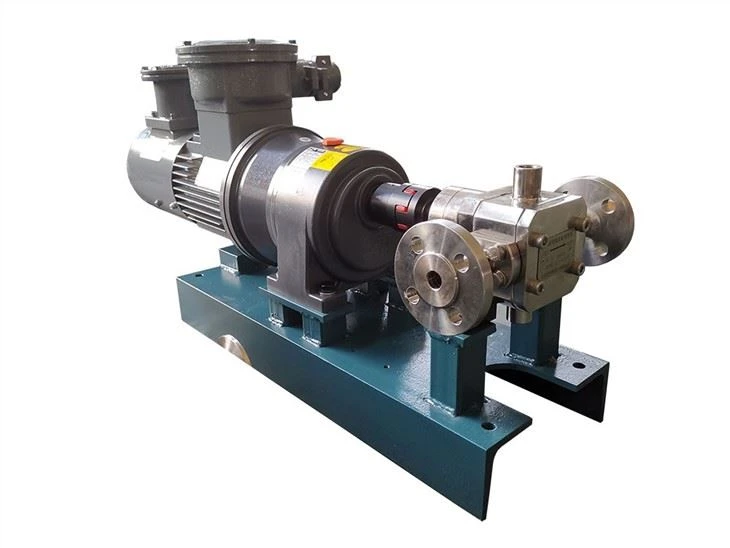

Considering the Gear Size and Configuration
The size and configuration of the gears in the Asphalt Gear Pump can also have an impact on the flow rate. Larger gears generally have a higher displacement volume per revolution, which means they can transfer more asphalt and have a higher flow rate.
Selecting the Right Pump Model
When choosing an Asphalt Gear Pump, it's important to select a model with the appropriate gear size for the desired flow rate. Our company offers a wide range of Thermal Insulation External Gear Metering Pump models, each with different gear sizes and flow rate capabilities. By carefully considering the application requirements, we can help our customers choose the right pump for their needs.
Customizing the Gear Configuration
In some cases, it may be possible to customize the gear configuration to achieve a specific flow rate. For example, modifying the gear teeth profile or the number of teeth can change the displacement volume per revolution. Our company also provides Customized Electric Heat System Gear Metering Pump options, allowing customers to tailor the pump to their unique requirements.
Monitoring and Maintaining the Pump
Once the flow rate has been adjusted, it's crucial to monitor the pump's performance regularly. This includes checking the flow rate, pressure, and temperature. Any significant changes in these parameters may indicate a problem with the pump or the adjustment process.
Regular Inspections
Regular inspections of the pump components, such as the gears, bearings, and seals, are also essential. Worn - out components can affect the pump's performance and lead to a decrease in the flow rate. By replacing these components in a timely manner, we can ensure the pump operates at its optimal level.
Lubrication and Cleaning
Proper lubrication of the pump components is necessary to reduce friction and wear. Additionally, keeping the pump clean and free from asphalt residue can prevent clogging and ensure smooth operation.
Conclusion
Adjusting the flow rate of an Asphalt Gear Pump requires a comprehensive understanding of the pump's working principle and the factors that affect the flow rate. By using methods such as adjusting the pump speed, modifying the pressure differential, and considering the gear size and configuration, we can achieve the desired flow rate for different applications.
As a leading supplier of Asphalt Gear Pumps, we offer a variety of high - quality pumps, including Petrochemical Gear Metering Pump, to meet the diverse needs of our customers. If you have any questions about adjusting the flow rate of our pumps or need assistance in selecting the right pump for your application, please feel free to contact us for a procurement discussion. We are committed to providing you with the best solutions and support.
References
- Pump Handbook, Karassik et al.
- Fluid Mechanics for Engineers, White F.M.
- Industrial Pump Technology, Stepanoff A.J.