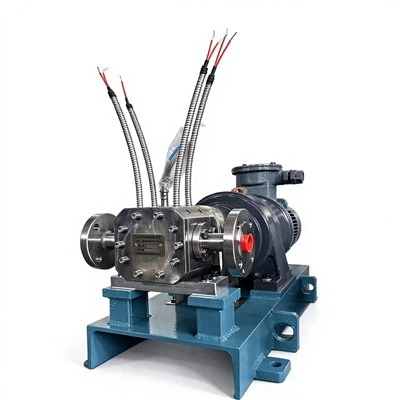
Hey there! As a supplier of Rotary Gear Pumps, I often get asked about how to calibrate these pumps for metering. It's a crucial process, especially when you need precise and consistent fluid delivery. So, let's dive right into it!
Why Calibration Matters
First off, why is calibration so important? Well, a properly calibrated Rotary Gear Pump ensures accurate metering of fluids. Whether you're dealing with chemicals, lubricants, or other substances, precision is key. In industries like manufacturing, food processing, and pharmaceuticals, even a small error in metering can lead to product quality issues, wasted materials, and increased costs.
Understanding the Basics
Before we start the calibration process, it's essential to understand how a Rotary Gear Pump works. These pumps use two meshing gears to move fluid. As the gears rotate, they create chambers that trap and transport the fluid from the inlet to the outlet. The volume of fluid displaced per revolution is determined by the pump's design and the size of the gears.
Pre - Calibration Checks
Before you start the actual calibration, there are a few things you need to check:
- Inspect the Pump: Make sure the pump is in good working condition. Check for any signs of wear and tear, such as damaged gears or seals. A worn - out pump may not be able to provide accurate metering, no matter how well you calibrate it.
- Check the Fluid: The properties of the fluid being pumped can affect the pump's performance. Ensure that the fluid is clean and free of debris. Viscosity is also an important factor. Different fluids have different viscosities, and this can impact the flow rate and pressure within the pump.
- Verify the System: Check the entire pumping system, including the pipes, valves, and fittings. Make sure there are no leaks or blockages that could affect the flow of fluid.
Calibration Steps
Step 1: Set the Initial Conditions
Start by setting up the pump and the metering system. Connect the pump to the fluid source and the destination. Make sure all the connections are secure. Set the pump to its normal operating speed. You can usually find the recommended speed in the pump's manual.


Step 2: Measure the Flow Rate
There are several ways to measure the flow rate. One common method is to use a flow meter. Place the flow meter in the line between the pump and the destination. Run the pump for a set period of time, say 5 minutes, and record the volume of fluid that has been pumped.
Let's say you're using a Grinding Aid Gear Metering Pump. This type of pump is often used in the cement industry for metering grinding aids. The flow rate measurement will help you determine if the pump is delivering the correct amount of fluid.
Step 3: Compare with the Desired Flow Rate
Once you have measured the flow rate, compare it with the desired flow rate. If the measured flow rate is different from the desired one, you need to make adjustments.
Step 4: Adjust the Pump
There are a few ways to adjust the flow rate of a Rotary Gear Pump:
- Change the Speed: Most pumps have a variable speed drive. By increasing or decreasing the speed of the pump, you can change the flow rate. However, be careful not to exceed the maximum speed recommended by the manufacturer.
- Adjust the Pressure: The pressure within the pump can also affect the flow rate. You can adjust the pressure by changing the settings on the pressure relief valve or by adjusting the flow - control valve.
Step 5: Re - measure and Fine - Tune
After making the adjustments, run the pump again and measure the flow rate. Compare the new measurement with the desired flow rate. If there is still a difference, make further adjustments until you achieve the desired accuracy.
Special Considerations for Different Pumps
If you're using a Stainless Steel Sodium Silicate Gear Metering Pump, you need to be aware of the properties of sodium silicate. This fluid is highly viscous, which means it may require more pressure to pump compared to other fluids. You may need to adjust the pump settings accordingly.
Similarly, a Gear Metering Pump used in a different application, such as in the food industry, may have different calibration requirements. For example, the pump may need to be calibrated more frequently to ensure food safety and quality.
Troubleshooting
Even after following all the calibration steps, you may encounter some issues:
- Inconsistent Flow Rate: This could be due to a worn - out pump, a clogged filter, or a problem with the control system. Check the pump for wear and tear, clean or replace the filter, and verify the control settings.
- High Pressure: High pressure can be caused by a blockage in the system or an incorrect pressure setting. Check the pipes and valves for blockages and adjust the pressure settings as needed.
Conclusion
Calibrating a Rotary Gear Pump for metering is a process that requires attention to detail and a good understanding of the pump and the fluid being pumped. By following the steps outlined above, you can ensure that your pump provides accurate and consistent metering.
If you're in the market for a high - quality Rotary Gear Pump or need more information on calibration, feel free to reach out. We're here to help you with all your pumping needs. Whether you're looking for a Grinding Aid Gear Metering Pump, a Stainless Steel Sodium Silicate Gear Metering Pump, or a Gear Metering Pump, we've got you covered. Contact us to start a discussion about your specific requirements and let's work together to find the best solution for you.
References
- "Rotary Gear Pump Handbook" - Industry - standard pump reference guide
- Manufacturer's manuals for various Rotary Gear Pumps