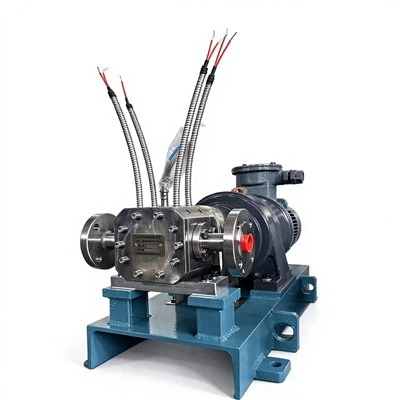
As a supplier of high viscosity pumps, I've witnessed firsthand the many advantages these pumps offer in various industrial applications. High viscosity pumps are designed to handle thick, sticky fluids with ease, making them essential in industries such as food processing, chemical manufacturing, and oil refining. However, like any piece of equipment, high viscosity pumps also come with their own set of disadvantages. In this blog post, I'll explore some of the key drawbacks associated with high viscosity pumps and discuss how they can impact your operations.
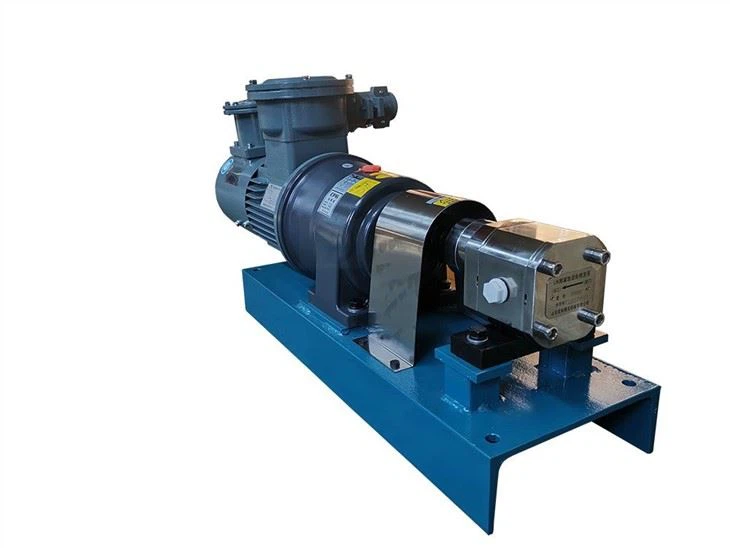

Higher Energy Consumption
One of the most significant disadvantages of high viscosity pumps is their higher energy consumption compared to pumps designed for low viscosity fluids. When dealing with high viscosity fluids, the pump has to work harder to overcome the resistance of the fluid. This increased workload requires more power, which in turn leads to higher energy costs. For example, in a manufacturing plant that uses high viscosity pumps to transfer thick chemical solutions, the energy bills can be substantially higher than those for a plant using pumps for low viscosity fluids.
The power required to pump a fluid is directly related to its viscosity. As the viscosity increases, the fluid becomes more resistant to flow, and the pump must generate more pressure to move it through the system. This additional pressure generation demands more energy from the pump's motor. Over time, these increased energy costs can add up, putting a strain on your budget. To mitigate this issue, some companies invest in energy - efficient pump models or optimize their pumping systems to reduce the overall energy consumption. However, these solutions often come with their own costs and may not completely eliminate the problem.
Maintenance Challenges
High viscosity pumps also present significant maintenance challenges. The thick fluids they handle can cause wear and tear on the pump components at a faster rate than low viscosity fluids. For instance, the gears in a High Viscosity Gear Dosing Pump are constantly in contact with the viscous fluid, which can lead to abrasion and corrosion. This wear can affect the pump's performance and efficiency, and if left unaddressed, it can eventually cause the pump to fail.
Cleaning high viscosity pumps is another maintenance headache. The sticky nature of the fluids means that residues can build up inside the pump, clogging the passages and reducing the flow rate. Regular cleaning is essential to prevent these blockages, but it can be a time - consuming and labor - intensive process. Special cleaning agents may be required to dissolve the thick residues, and in some cases, the pump may need to be disassembled for thorough cleaning. This not only adds to the maintenance costs but also results in downtime for the pumping system, which can disrupt your production schedule.
Limited Flow Rates
High viscosity pumps typically have limited flow rates compared to pumps for low viscosity fluids. The high resistance of the viscous fluid restricts the speed at which it can be pumped through the system. This limitation can be a major drawback in applications where a high volume of fluid needs to be transferred quickly. For example, in a large - scale food processing plant, if the high viscosity pump used to transfer thick sauces cannot keep up with the production demand, it can lead to bottlenecks in the production line.
The flow rate of a high viscosity pump is also affected by the pump design and the characteristics of the fluid. Some pump designs are better suited for handling high viscosity fluids than others, but even the most advanced designs have their limitations. Additionally, factors such as temperature and pressure can further impact the flow rate. As the temperature of the fluid decreases, its viscosity increases, which in turn reduces the flow rate. Similarly, changes in pressure can affect the pump's ability to move the fluid efficiently.
Higher Initial Cost
The initial cost of high viscosity pumps is generally higher than that of pumps for low viscosity fluids. These pumps are designed with specialized components and materials to handle the unique challenges posed by high viscosity fluids. For example, a Heat Preservation Corrosion Resistant Gear Metering Pump is constructed with materials that can withstand the corrosive nature of some high viscosity chemicals and maintain the temperature of the fluid to ensure proper flow. The advanced engineering and high - quality materials used in these pumps contribute to their higher price tag.
In addition to the pump itself, the installation costs for high viscosity pumps can also be significant. These pumps often require more complex piping systems and support structures to ensure proper operation. The installation process may also involve specialized expertise, which can add to the overall cost. For small and medium - sized businesses, the high initial investment in high viscosity pumps can be a deterrent, especially when considering the long - term operational costs.
Sensitivity to Fluid Properties
High viscosity pumps are highly sensitive to changes in fluid properties. Even minor variations in viscosity, temperature, or chemical composition can have a significant impact on the pump's performance. For example, if the temperature of a high viscosity fluid drops unexpectedly, its viscosity will increase, which can cause the pump to work harder and may even lead to a breakdown.
The chemical composition of the fluid can also affect the pump's performance. Some high viscosity fluids may contain abrasive particles or corrosive substances that can damage the pump components. If the fluid properties change during the pumping process, the pump may not be able to handle the new conditions effectively. This sensitivity requires careful monitoring of the fluid properties and may necessitate adjustments to the pump operation or the use of additional equipment to maintain the desired fluid conditions.
Compatibility Issues
Compatibility between the high viscosity pump and the fluid being pumped is crucial. Not all pumps are suitable for all types of high viscosity fluids. For example, some fluids may react with the materials used in the pump, causing corrosion or degradation. This can lead to pump failure and contamination of the fluid.
When selecting a high viscosity pump, it's essential to consider the chemical properties of the fluid, including its pH level, chemical reactivity, and abrasiveness. Using an incompatible pump can result in costly repairs and replacements, as well as potential safety hazards. In some cases, finding a pump that is compatible with a particular high viscosity fluid can be challenging, especially for fluids with unique or complex properties.
Conclusion
While high viscosity pumps are indispensable in many industries, they do come with several disadvantages. Higher energy consumption, maintenance challenges, limited flow rates, higher initial costs, sensitivity to fluid properties, and compatibility issues are all factors that need to be carefully considered when using these pumps. However, with proper planning, regular maintenance, and the right selection of pump models, many of these challenges can be mitigated.
If you're facing issues with high viscosity pumping in your operations or are considering investing in a high viscosity pump, I encourage you to reach out to discuss your specific needs. Our team of experts can help you find the most suitable pump solution for your application and provide guidance on how to optimize its performance. Whether you're looking for a High Viscosity Transfer Pump or a specialized dosing pump, we're here to assist you. Contact us today to start the procurement discussion and find the best high viscosity pump for your business.
References
- "Pump Handbook" by Igor Karassik et al.
- "Fluid Mechanics and Hydraulic Machines" by R. K. Bansal.
- Industry research reports on high viscosity pump applications and challenges.