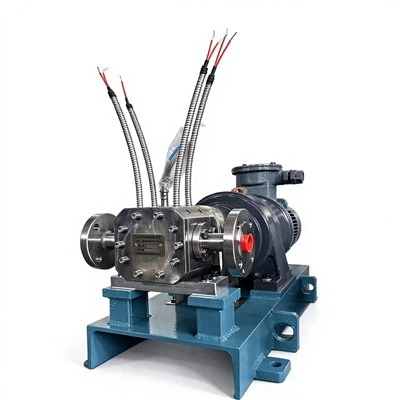
Selecting the right motor for a magnetic gear pump is a crucial decision that can significantly impact the performance and efficiency of your pumping system. As a magnetic gear pump supplier, I've seen firsthand how the wrong motor choice can lead to all sorts of headaches, from reduced flow rates to premature pump failure. In this blog post, I'll share some tips on how to choose the perfect motor for your magnetic gear pump.
Understanding Your Pump's Requirements
Before you start shopping for a motor, you need to have a clear understanding of your pump's requirements. This includes things like the pump's flow rate, pressure, and power consumption. You can usually find this information in the pump's specifications sheet.
Let's start with flow rate. This is the amount of fluid that the pump can move in a given amount of time, typically measured in gallons per minute (GPM) or liters per second (L/s). The flow rate you need will depend on your application. For example, if you're using the pump to transfer a small amount of adhesive, you'll need a lower flow rate than if you're using it to pump a large volume of a high-viscosity fluid.
Next up is pressure. The pressure rating of your pump indicates the maximum pressure it can generate. This is important because you need to make sure the motor can provide enough power to overcome the resistance in your system and maintain the desired flow rate. The pressure you need will depend on factors like the length and diameter of your piping, the number of fittings, and the viscosity of the fluid you're pumping.
Power consumption is another key factor to consider. This refers to the amount of electrical energy the motor uses to operate the pump. You'll want to choose a motor that is energy-efficient to keep your operating costs down. Look for motors with high efficiency ratings, such as those that meet the NEMA Premium® efficiency standards.
Types of Motors for Magnetic Gear Pumps
There are several types of motors that can be used with magnetic gear pumps, each with its own advantages and disadvantages. Here are some of the most common types:
- AC Induction Motors: These are the most widely used motors for industrial applications. They're relatively inexpensive, reliable, and easy to maintain. AC induction motors come in a variety of sizes and power ratings, making them suitable for a wide range of pumping applications. However, they can be less efficient than other types of motors, especially at low speeds.
- DC Motors: DC motors are known for their high torque and speed control capabilities. They're often used in applications where precise control of the pump's speed and flow rate is required, such as in dosing and metering applications. DC motors can be powered by batteries or a DC power supply, making them a good choice for portable or remote applications. However, they can be more expensive than AC induction motors and require more complex control systems.
- Brushless DC Motors: These motors combine the advantages of DC motors with the reliability and efficiency of AC induction motors. They have no brushes, which means they require less maintenance and have a longer lifespan. Brushless DC motors are also more efficient than traditional DC motors, especially at high speeds. However, they can be more expensive than other types of motors and require a specialized controller.
Matching the Motor to the Pump
Once you've determined your pump's requirements and the type of motor that's best suited for your application, the next step is to match the motor to the pump. This involves selecting a motor with the right power rating, speed, and torque to meet the pump's needs.
The power rating of the motor is measured in horsepower (HP) or kilowatts (kW). You'll need to choose a motor with a power rating that is sufficient to drive the pump at the desired flow rate and pressure. As a general rule, it's a good idea to choose a motor with a slightly higher power rating than you think you'll need to account for any unexpected variations in your system.
The speed of the motor is measured in revolutions per minute (RPM). The speed of the motor will determine the speed of the pump, which in turn affects the flow rate. You'll need to choose a motor with a speed that is compatible with the pump's design. Some pumps are designed to operate at a specific speed, while others can be adjusted to operate at different speeds.
Torque is the rotational force that the motor can generate. You'll need to choose a motor with enough torque to start the pump and overcome any resistance in the system. The torque requirements of the pump will depend on factors like the viscosity of the fluid, the size and weight of the impeller, and the speed of the pump.
Other Considerations
In addition to the factors mentioned above, there are a few other things to consider when selecting a motor for your magnetic gear pump:
- Environmental Conditions: The environment in which the pump will be operating can have a significant impact on the performance and lifespan of the motor. For example, if the pump will be used in a dusty or dirty environment, you'll need to choose a motor with a high degree of protection against dust and moisture. Look for motors with an IP (Ingress Protection) rating that is suitable for your application.
- Noise and Vibration: Some motors can generate a significant amount of noise and vibration, which can be a problem in certain applications. If noise and vibration are a concern, look for motors that are designed to operate quietly and smoothly. You can also use vibration isolation mounts to reduce the amount of vibration transmitted to the pump and surrounding equipment.
- Maintenance and Serviceability: Like any piece of equipment, motors require regular maintenance to ensure optimal performance and longevity. When choosing a motor, look for one that is easy to maintain and service. This includes things like easy access to the motor's components, clear instructions for maintenance and repair, and availability of replacement parts.
Conclusion
Selecting the right motor for your magnetic gear pump is a critical decision that can have a big impact on the performance and efficiency of your pumping system. By understanding your pump's requirements, choosing the right type of motor, and matching the motor to the pump, you can ensure that your system operates smoothly and reliably for years to come.
If you're still not sure which motor is right for your application, don't hesitate to reach out to us. As a magnetic gear pump supplier, we have the expertise and experience to help you find the perfect motor for your needs. We offer a wide range of magnetic gear pumps and motors, including Special Pumps For The Dispensing Of Adhesives, High Viscosity Pump With Magnetic Coupling, and Reinforced Stainless Steel High Viscosity Gear Metering Pump. Contact us today to discuss your requirements and get a quote.


References
- "Pump Handbook", Karassik, I. J., Messina, J. P., Cooper, P. & Heald, C. C. (2008).
- "Motor and Drive Handbook", Bolton, W. (2006).
- NEMA Standards Publication MG 1-2016, Motors and Generators.