

Hey there! As a supplier of stainless gear pumps, I often get asked about the temperature range these pumps can handle. It's a crucial question because the temperature of the fluid being pumped can significantly affect the pump's performance and lifespan. So, let's dive right into it and explore what the temperature range for a stainless gear pump is.
First off, it's important to understand that stainless gear pumps are designed to handle a wide variety of fluids, from thin liquids like water to thick, viscous substances like oil and glue. The temperature range of these pumps depends on several factors, including the type of stainless steel used, the design of the pump, and the specific application.

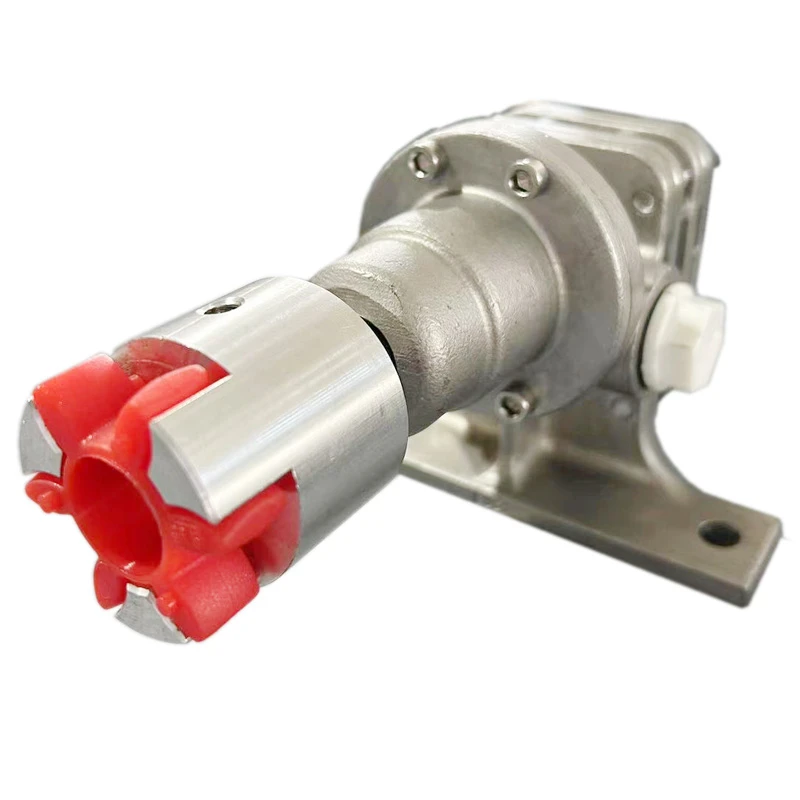
Most standard stainless gear pumps can operate within a temperature range of -20°C to 200°C (-4°F to 392°F). This range is suitable for a majority of common applications, such as transferring chemicals, lubricating machinery, and metering fluids in industrial processes. However, some specialized stainless gear pumps can handle even more extreme temperatures.
For instance, if you're dealing with high-temperature applications, like pumping hot oil or molten polymers, you'll need a pump that can withstand temperatures above 200°C. These high-temperature stainless gear pumps are typically made from special grades of stainless steel that have excellent heat resistance properties. They may also feature additional cooling mechanisms to prevent overheating and ensure reliable operation.
On the other hand, if you're working in a cold environment or need to pump cryogenic fluids, you'll require a stainless gear pump that can operate at low temperatures. These pumps are designed to resist the brittleness and contraction that can occur at low temperatures. They may be made from stainless steel alloys that are specifically formulated for cold applications, and they may also have insulation or heating elements to maintain the proper operating temperature.
Now, let's take a closer look at some of the specific applications and the corresponding temperature ranges for stainless gear pumps.
Chemical Pump Stainless Steel Gear Metering Pump
Chemical processes often involve handling corrosive and high-temperature fluids. The Chemical Pump Stainless Steel Gear Metering Pump is designed to meet these challenges. It can typically handle temperatures ranging from -20°C to 150°C (-4°F to 302°F), depending on the specific chemical being pumped. This pump is made from high-quality stainless steel that provides excellent corrosion resistance, ensuring long-term reliability in chemical applications.
Filling Gear Metering Pump
The Filling Gear Metering Pump is commonly used in the food, beverage, and pharmaceutical industries for accurate filling of containers. These pumps usually operate at temperatures between 0°C and 80°C (32°F and 176°F). This temperature range is suitable for most liquid products in these industries, ensuring that the filling process is efficient and precise. The stainless steel construction of the pump makes it easy to clean and maintain, meeting the strict hygiene standards of these industries.
Polyurethane Glue Gear Metering Pump
Polyurethane glue is a thick, viscous substance that requires a pump capable of handling both high viscosity and high temperatures. The Polyurethane Glue Gear Metering Pump is designed to pump polyurethane glue at temperatures up to 120°C (248°F). This pump is built with a robust design and high-quality stainless steel components to ensure smooth and reliable operation even when dealing with thick and sticky fluids.
It's worth noting that the temperature range of a stainless gear pump can also be affected by other factors, such as the speed of the pump, the pressure of the fluid, and the duration of operation. For example, running a pump at a higher speed or under higher pressure can generate more heat, which may reduce the maximum temperature the pump can handle. Therefore, it's essential to carefully consider all these factors when selecting a stainless gear pump for your specific application.
In addition to the temperature range, you also need to pay attention to the temperature limits of the pump's seals and gaskets. These components are often made from elastomers or other materials that have their own temperature limitations. If the temperature of the fluid exceeds the rated temperature of the seals and gaskets, they can degrade or fail, leading to leaks and pump malfunctions. So, make sure to choose a pump with seals and gaskets that are suitable for the temperature range of your application.
When it comes to maintaining a stainless gear pump within its temperature range, proper installation and operation are key. Here are some tips to help you keep your pump running smoothly:
- Proper installation: Make sure the pump is installed in a well-ventilated area away from sources of heat or cold. Use appropriate insulation or cooling systems if necessary.
- Monitor the temperature: Install temperature sensors to monitor the temperature of the fluid and the pump itself. This will allow you to detect any abnormal temperature changes and take corrective action before it causes damage to the pump.
- Control the flow rate: Adjust the flow rate of the pump to ensure that it operates within its recommended temperature range. Running the pump at a higher flow rate than necessary can generate more heat and increase the risk of overheating.
- Regular maintenance: Perform regular maintenance on the pump, including cleaning, lubrication, and inspection of the seals and gaskets. This will help to prevent wear and tear and ensure that the pump continues to operate efficiently.
In conclusion, the temperature range for a stainless gear pump can vary depending on the type of pump, the application, and other factors. Most standard pumps can handle temperatures between -20°C and 200°C, but specialized pumps are available for more extreme temperature applications. When selecting a pump, make sure to consider the temperature range of the fluid, the temperature limits of the seals and gaskets, and other factors that can affect the pump's performance. By following the proper installation and maintenance procedures, you can ensure that your stainless gear pump operates within its temperature range and provides reliable service for years to come.
If you're in the market for a stainless gear pump and need more information about the temperature range or any other aspect of our products, don't hesitate to reach out. We're here to help you find the right pump for your specific needs. Let's start a conversation and see how we can work together to meet your pumping requirements.
References
- Pump Handbook, Karassik, I. J., Messina, J. P., Cooper, P. E., & Heald, C. C. (2008).
- Hydraulic Pumps and Motors: Fundamentals, Design, and Application, Ivantysyn, J., & Ivantysynova, M. (2008).





