

As a trusted supplier of Asphalt Gear Pumps, I understand the importance of proper maintenance to ensure the longevity and efficient operation of these crucial industrial components. In this blog post, I will delve into the common maintenance items for an Asphalt Gear Pump, providing valuable insights for both operators and decision-makers in the industry.
Regular Inspection of the Pump Body
The first and foremost maintenance item for an Asphalt Gear Pump is a regular inspection of the pump body. This includes checking for any signs of wear, corrosion, or damage. Over time, the constant flow of asphalt can cause the pump body to deteriorate, leading to leaks and reduced performance. By conducting routine visual inspections, operators can identify potential issues early on and take appropriate action to prevent further damage.
During the inspection, pay close attention to the pump casing, gears, and bearings. Look for any signs of cracks, pitting, or excessive wear on the gears. Check the bearings for proper lubrication and any signs of overheating or misalignment. Additionally, inspect the seals and gaskets to ensure they are in good condition and free from leaks.
Lubrication of Moving Parts
Proper lubrication is essential for the smooth operation of an Asphalt Gear Pump. The gears and bearings in the pump require a sufficient amount of lubrication to reduce friction and prevent wear. Without adequate lubrication, the pump can experience increased energy consumption, reduced efficiency, and premature failure.
It is recommended to use a high-quality lubricant specifically designed for asphalt gear pumps. Follow the manufacturer's guidelines regarding the type and frequency of lubrication. Typically, the gears and bearings should be lubricated at regular intervals, depending on the operating conditions and the manufacturer's recommendations.
Monitoring of Temperature and Pressure
Monitoring the temperature and pressure of the Asphalt Gear Pump is crucial for maintaining its optimal performance. Excessive temperature can cause the asphalt to degrade, leading to clogging and reduced flow. High pressure can also put additional stress on the pump components, increasing the risk of damage.
Install temperature and pressure sensors on the pump to continuously monitor these parameters. Set up alarms to alert operators if the temperature or pressure exceeds the recommended limits. Regularly review the data collected from the sensors to identify any trends or anomalies that may indicate a potential problem.
Cleaning of the Pump
Regular cleaning of the Asphalt Gear Pump is necessary to remove any accumulated asphalt, debris, or contaminants. Over time, these substances can build up inside the pump, causing blockages and reducing the flow rate. Cleaning the pump also helps to prevent the formation of asphalt deposits, which can damage the pump components.
To clean the pump, first, shut off the power and allow the pump to cool down. Then, disconnect the pump from the asphalt supply and drain any remaining asphalt. Use a suitable cleaning solvent to flush the pump thoroughly, removing any dirt or debris. Pay special attention to the gears, bearings, and other internal components. After cleaning, rinse the pump with clean water and dry it thoroughly before reassembling and restarting.
Replacement of Worn Parts
Despite regular maintenance, some parts of the Asphalt Gear Pump will eventually wear out and need to be replaced. Common parts that may require replacement include the gears, bearings, seals, and gaskets. It is important to use genuine replacement parts from the manufacturer to ensure compatibility and optimal performance.
Keep a stock of essential replacement parts on hand to minimize downtime in case of a breakdown. Regularly inspect the parts for signs of wear and replace them as needed. Follow the manufacturer's instructions for the proper installation of the replacement parts.
Calibration of the Pump
Periodic calibration of the Asphalt Gear Pump is necessary to ensure accurate metering and flow control. Over time, the pump may experience slight variations in its performance, which can affect the accuracy of the asphalt delivery. Calibration helps to adjust the pump settings to maintain the desired flow rate and pressure.

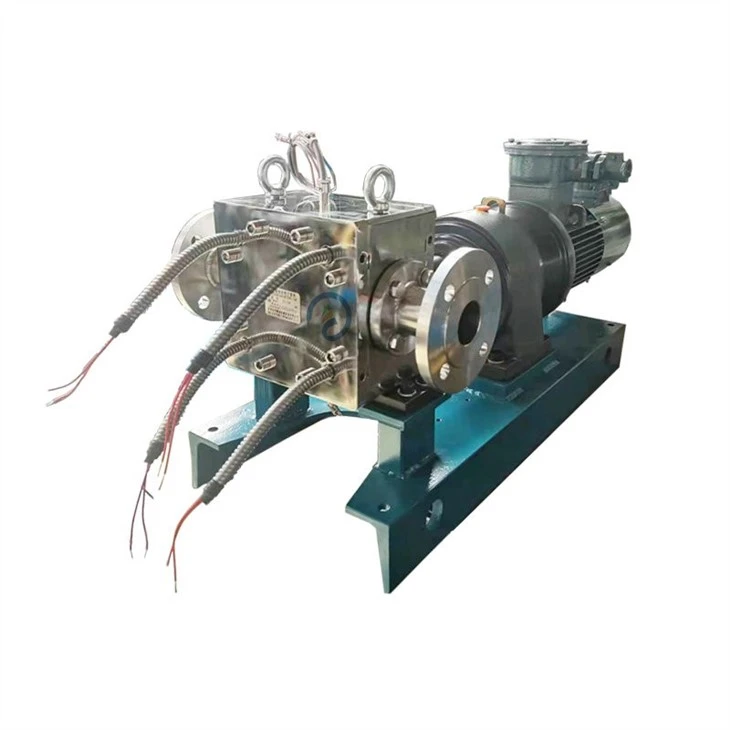
Use a calibrated flow meter or other suitable measuring device to check the pump's performance. Compare the measured values with the manufacturer's specifications and make any necessary adjustments. It is recommended to have the pump calibrated by a qualified technician at regular intervals.
Training of Operators
Proper training of operators is essential for the effective maintenance of an Asphalt Gear Pump. Operators should be familiar with the pump's operation, maintenance procedures, and safety guidelines. They should also be trained to recognize the signs of potential problems and take appropriate action to prevent breakdowns.
Provide comprehensive training to the operators on the installation, operation, and maintenance of the Asphalt Gear Pump. Include hands-on training sessions to allow the operators to practice the maintenance procedures. Regularly update the training program to keep the operators informed about the latest maintenance techniques and safety regulations.
Importance of Using Quality Pumps
Investing in a high-quality Asphalt Gear Pump is crucial for minimizing maintenance requirements and ensuring long-term reliability. A well-designed and manufactured pump is less likely to experience problems and will require less frequent maintenance.
At our company, we offer a range of high-quality Asphalt Gear Pumps, including the Insulation Gear Metering Pump For Petrochemical Industry, Asphalt Gear Metering Pump, and External Gear Metering Pump With Heat System. Our pumps are designed to meet the highest industry standards and are built to last.
Conclusion
Proper maintenance of an Asphalt Gear Pump is essential for ensuring its optimal performance, longevity, and reliability. By following the common maintenance items outlined in this blog post, operators can minimize downtime, reduce repair costs, and extend the life of the pump.
If you are in the market for an Asphalt Gear Pump or need assistance with maintenance and repair, please feel free to contact us. Our team of experts is ready to help you find the right solution for your specific needs.
References
- Manufacturer's manuals and guidelines for Asphalt Gear Pumps
- Industry standards and best practices for pump maintenance
- Technical literature on asphalt handling and pumping systems





