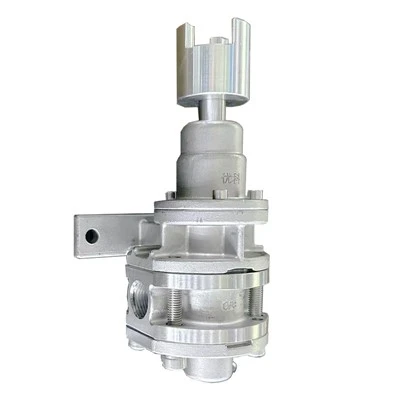
If you work with gear metering pumps in industries like chemical processing, oil & gas, pharmaceuticals, or water treatment, chances are you’ve heard of explosion-proof requirements. These aren’t just random rules—they’re non-negotiable for keeping teams safe when handling flammable, combustible, or explosive materials. As a pump supplier who’s spent years troubleshooting and customizing these devices, I’ve seen firsthand how skipping key explosion-proof checks leads to avoidable hazards, so let’s break down what actually matters for a gear metering pump to be compliant.
First, let’s start with the basics: explosion-proof for pumps means designing and certifying the device to prevent igniting surrounding flammable atmospheres. These atmospheres can be as simple as gasoline fumes, or as volatile as solvent vapors from a paint shop or chemical plant. The key word here is “prevent”—so the pump can’t spark, overheat, or leak enough material to create a mix that catches fire. That’s not just good practice; it’s required by global standards like IECEx, ATEX, and NEC (National Electrical Code) in the U.S.
Now, let’s dive into the specific requirements that make a gear metering pump explosion-proof, tailored to how our pumps are built and tested. First up: material compatibility with process media. This might seem like a small detail, but if the pump’s internal parts corrode from the material it’s moving, you’ll get leaks—big leaks that send flammable vapor into the air. For example, if you’re pumping epoxy resin, a common material in aerospace and electronics manufacturing, a pump with standard cast iron gears might rust and crack over time, leading to leaks. That’s why our B Series Epoxy Resin Universal Gear Metering Pump is built with corrosion-resistant housings and gears made from high-grade 316L stainless steel; it’s engineered to stand up to aggressive media without breaking down, eliminating leak risks that could turn into explosions. We also have a Epoxy Resin Gear Metering Extrusion Pump designed specifically for consistent, leak-free transfers of thick, reactive epoxy blends—no seepage, no fumes building up around the pump motor.
Next, motor and drive systems are make-or-break. A regular pump motor can generate sparks from brushed commutation, overheat if it’s working too hard, or produce static electricity that ignites vapor. Explosion-proof motors fix this in two main ways: they’re either “flameproof” (sealed so any internal spark can’t escape and ignite the outside) or “increased safety” (built to run cooler and limit sparks to areas that don’t matter). For our external and compact setups, the External Mini Gear Metering Pump uses a compact, low-voltage brushless DC motor—no brushes mean no sparking from commutation, and it’s calibrated to run 20°F cooler than standard motors, even when handling 24/7 continuous runs. For applications where space is tight but safety is top priority, the CAM Rotor Pump’s integrated drive is also designed with static dissipative components, so any static build-up from the process media doesn’t turn into a spark.
Then there’s pressure and temperature control. Gear metering pumps operate by meshing two gears to move fluid, so pressure can spike if there’s a blockage, and temperature can climb if the pump’s working too fast. Both spikes can lead to overheating seal failure or bursting the pump housing—two things that release flammable material into the air. Our Strong Water Delivery Special Gear Metering Pump, for example, is fitted with pressure relief valves that kick in at 10% above the maximum operating pressure, preventing dangerous surges. We also test all our pumps to ensure their surface temperature stays below the minimum ignition temperature (MIT) of the process media. If you’re pumping gasoline, which has an MIT of around 495°F, our pumps’ casings never hit over 280°F even at full load—way below the threshold to ignite fumes. That’s a big deal: even a minor overheat from a pump that’s not explosion-rated can trigger a catastrophic blast.
Sealing systems are another underrated requirement. Most gear pump failures come down to seal leaks. Explosion-proof seals have to be “hermetic” or “mechanical face seals” that prevent both process fluid leaks and outside atmosphere from seeping into the pump’s internal parts. For pumps handling low-viscosity, volatile materials like solvents, a standard lip seal will wear out quickly, leading to leaks. That’s why all our universal gear pumps use double mechanical seals with flush ports that circulate clean, compatible fluid to keep seals lubricated. This is especially important for the CAM Rotor Pump, which is often used in petrochemical facilities where even a tiny leak of butane or propane can create an explosive atmosphere in minutes.
Certification isn’t just a sticker—it’s a requirement. You can’t just “build a pump that seems safe” and call it explosion-proof. It has to be third-party tested and certified against a global standard that fits your location. In the U.S., that’s NEC Class I, Div 1 or Div 2; in Europe, it’s ATEX; global industries use IECEx. All our custom and standard pumps are certified to these standards, so you don’t have to guess if it’s compliant for your site. I’ve seen too many companies try to cut costs with uncertified pumps, only to get fined or have to shut down operations for failing inspections. Our team can help you match the right certification to your specific process, whether it’s handling flammable solvents, combustible dusts, or explosive gas mixtures.
Wait, let’s also talk about common mistakes people make when choosing explosion-proof gear metering pumps. A lot of folks think “explosion-proof” is just for the pump itself, but it also depends on how you install it. You can have a certified explosion-proof pump, but if you wire it with regular electrical conduit in a Class I, Div 1 area, that’s still a hazard. As a supplier, we don’t just sell you the pump—we help you understand how to integrate it with your existing systems, making sure wiring, grounding, and ventilation all meet the same standards. For example, when customers ask about pumps for water treatment facilities that handle chlorine compounds, we point them to our Strong Water Delivery Special Gear Metering Pump, which is not just explosion-rated but also NSF-certified for drinking water, so it handles both safety and compliance without extra hoops.
Now, let’s tie this back to why all these requirements matter for your operation. I’ve worked with a pharma company that switched to a non-explosion-rated gear pump for their raw material transfer; within a month, a seal leaked, and a spark from the motor almost caused a blast. They replaced it with our B Series Epoxy Resin Universal Gear Metering Pump, which is explosion-certified, and haven’t had an issue in three years. That’s the real difference: explosion-proof requirements aren’t just paperwork—they protect your team, your facility, and your bottom line by preventing costly shutdowns and accidents.
If you’re in the market for an explosion-proof gear metering pump, or you’re not sure if your current setup meets the requirements, we’re here to help. Our team can walk you through your specific process needs, from what material you’re moving to what certification your site requires, to make sure you get a pump that’s safe, compliant, and reliable. Whether you need a compact external pump for tight spaces, a heavy-duty extrusion pump for high-volume epoxy, or a custom CAM Rotor Pump for unique gas handling, we’ve got you covered. Reach out to our team to discuss your project details and get a tailored recommendation.


References
- International Electrotechnical Commission (IEC). (2020). IECEx System for Explosive Atmospheres. Geneva: IEC.
- National Fire Protection Association (NFPA). (2021). NFPA 70: National Electrical Code. Quincy, MA: NFPA.
- European Committee for Electrotechnical Standardization (CENELEC). (2019). ATEX Directive 2014/34/EU on Equipment for Use in Potentially Explosive Atmospheres. Brussels: CENELEC.
- Hydraulic Institute. (2022). Standards for Centrifugal, Rotary and Reciprocating Pumps. Cleveland, OH: Hydraulic Institute.