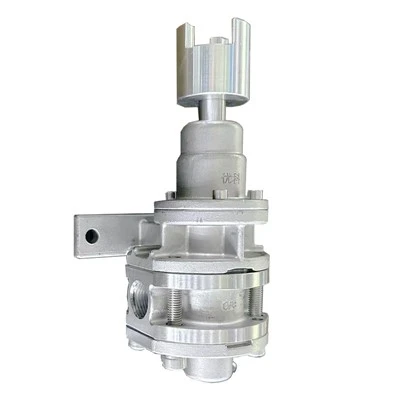
As a leading supplier of Magnetic Gear Pumps, I've witnessed firsthand the challenges that come with preventing over - heating in these crucial pieces of equipment. Over - heating can not only reduce the efficiency of the pump but also lead to premature wear and tear, and in severe cases, complete pump failure. In this blog, I'll share some effective strategies to avoid over - heating in a magnetic gear pump.
Understanding the Causes of Over - heating
Before we dive into the solutions, it's essential to understand what causes over - heating in magnetic gear pumps. There are several factors at play, including:
1. High Viscosity of the Fluid
When the fluid being pumped has a high viscosity, it requires more energy to move through the pump. This increased energy demand generates more heat. For example, High Viscosity Silicone Sealant Epoxy Resin Gear Metering Pump is designed to handle highly viscous materials, but if the viscosity is too high or the flow rate is not properly adjusted, over - heating can occur.
2. Insufficient Lubrication
Magnetic gear pumps rely on the fluid being pumped for lubrication. If the fluid level is low or the fluid does not have the right lubricating properties, the gears can experience increased friction, which in turn generates heat.
3. Excessive Speed
Running the pump at a speed higher than its recommended operating range can cause the gears to rotate too quickly. This leads to more friction and heat generation. Each pump has an optimal speed range, and exceeding it can be detrimental to the pump's performance and longevity.
4. Poor Heat Dissipation
If the pump is installed in an area with poor ventilation or if the cooling system is not functioning properly, the heat generated during operation cannot be effectively dissipated. This causes the temperature inside the pump to rise steadily.
Strategies to Avoid Over - heating
1. Select the Right Pump for the Fluid
Choosing a pump that is suitable for the viscosity and characteristics of the fluid is crucial. For high - viscosity fluids, pumps like the DM320 High Viscosity Gear Pump are specifically designed to handle the challenges associated with these materials. These pumps are engineered to provide a more efficient flow, reducing the energy required to move the fluid and minimizing heat generation.
2. Maintain Proper Fluid Levels
Regularly check the fluid levels in the pump and ensure that there is always an adequate supply of fluid for lubrication. If necessary, install a fluid level sensor to monitor the levels automatically. Also, make sure the fluid has the appropriate lubricating properties for the pump. If the fluid is contaminated or has degraded, replace it promptly.
3. Control the Pump Speed
Operate the pump within its recommended speed range. If possible, use a variable speed drive to adjust the speed according to the specific requirements of the application. This allows you to optimize the flow rate while keeping the heat generation in check. For example, if the system requires a lower flow rate, reducing the pump speed can significantly reduce friction and heat.
4. Improve Heat Dissipation
- Proper Ventilation: Ensure that the pump is installed in an area with good ventilation. Avoid enclosing the pump in a tight space or placing it near sources of heat. If necessary, install fans or ventilation ducts to improve air circulation around the pump.
- Cooling Systems: Consider using a cooling system, such as a water - cooled jacket or an air - cooled heat exchanger. These systems can help remove the heat generated during operation and maintain the pump at a safe operating temperature.
5. Regular Maintenance
- Inspection: Conduct regular inspections of the pump to check for signs of wear, damage, or blockages. Replace any worn - out parts immediately to prevent increased friction and heat generation.
- Cleaning: Keep the pump clean and free of debris. A dirty pump can impede the flow of fluid and reduce the efficiency of the cooling system.
6. Use Wear - Resistant Pumps
Invest in Wear Resistant Pumps. These pumps are designed with materials that can withstand the high - stress conditions of pumping operations. They have a lower tendency to wear, which means less friction and less heat generation over time.


Monitoring and Troubleshooting
In addition to implementing the above strategies, it's important to monitor the pump's temperature regularly. Install temperature sensors on the pump and set up an alarm system to alert you if the temperature exceeds a safe threshold. This allows you to take corrective action before the over - heating causes significant damage.
If you notice that the pump is over - heating, follow these troubleshooting steps:
- Check the Fluid: Verify the fluid level, viscosity, and lubricating properties. If necessary, adjust the fluid or replace it.
- Inspect the Pump Speed: Make sure the pump is operating within its recommended speed range. If the speed is too high, reduce it.
- Examine the Cooling System: Check if the cooling system is functioning properly. Look for any blockages, leaks, or malfunctions in the cooling components.
- Look for Mechanical Issues: Inspect the gears, bearings, and other mechanical parts for signs of wear or damage. Replace any faulty parts as needed.
Conclusion
Preventing over - heating in a magnetic gear pump is essential for ensuring its efficient operation and longevity. By understanding the causes of over - heating and implementing the strategies outlined in this blog, you can minimize the risk of over - heating and keep your pump running smoothly.
If you're in the market for a reliable magnetic gear pump or need further advice on avoiding over - heating, don't hesitate to reach out to us. We're here to help you select the right pump for your application and provide you with the support you need to keep it operating at its best.
References
- Pump Handbook, Third Edition by Igor J. Karassik, Joseph P. Messina, Paul Cooper, Charles C. Heald
- Hydraulic Pumps and Motors: Fundamentals, Modeling, Design, and Applications by Roger K. Kerwin