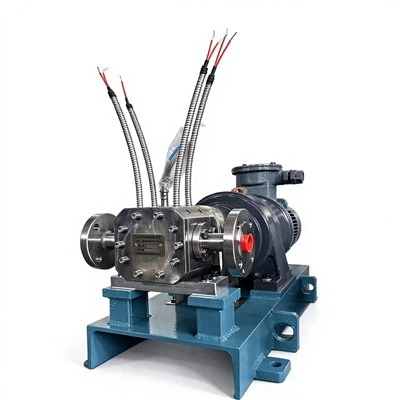
Rotor pumps are essential equipment in various industries, known for their reliability, versatility, and efficiency. As a rotor pump supplier, I understand the importance of adhering to certifications and standards to ensure the quality and performance of our products. In this blog post, I will discuss the key certifications and standards for rotor pumps and their significance in the industry.
ISO Standards
The International Organization for Standardization (ISO) has developed a series of standards that apply to rotor pumps. These standards cover various aspects of pump design, manufacturing, and performance, ensuring that pumps meet international quality and safety requirements.
-
ISO 9001: Quality Management System
ISO 9001 is a globally recognized standard for quality management systems. It provides a framework for organizations to establish, implement, maintain, and continuously improve their quality management systems. By obtaining ISO 9001 certification, a rotor pump supplier demonstrates its commitment to quality and customer satisfaction. This certification ensures that the supplier has established processes and procedures to control all aspects of pump production, from design and development to manufacturing and testing. -
ISO 14001: Environmental Management System
ISO 14001 is an international standard for environmental management systems. It helps organizations identify and control their environmental impacts and improve their environmental performance. A rotor pump supplier with ISO 14001 certification has implemented measures to minimize the environmental impact of its operations, such as reducing energy consumption, waste generation, and emissions. -
ISO 4406: Cleanliness Code
ISO 4406 is a standard that defines the cleanliness level of hydraulic fluids. Rotor pumps are often used in hydraulic systems, and the cleanliness of the fluid is crucial for the proper functioning and longevity of the pump. This standard provides a code to measure and classify the contamination level of hydraulic fluids, ensuring that the fluid used in the pump meets the required cleanliness level.
API Standards
The American Petroleum Institute (API) has developed a set of standards for pumps used in the oil and gas industry. These standards are widely recognized and adopted by the industry to ensure the safety, reliability, and performance of pumps in harsh and demanding environments.
-
API 676: Rotary Pumps
API 676 is a standard specifically for rotary pumps, including rotor pumps. It covers the design, manufacturing, testing, and installation requirements for rotary pumps used in the oil and gas industry. This standard ensures that the pumps are capable of handling a wide range of fluids, including corrosive and abrasive substances, and can operate under high pressures and temperatures.

-
API 682: Mechanical Seals
Mechanical seals are critical components of rotor pumps, as they prevent the leakage of fluid from the pump. API 682 is a standard that specifies the requirements for mechanical seals used in pumps in the oil and gas industry. It covers the design, materials, testing, and installation of mechanical seals, ensuring their reliability and performance.
CE Certification
CE certification is a mandatory certification for products sold in the European Union (EU). It indicates that the product complies with all relevant EU health, safety, and environmental protection directives. For rotor pumps, CE certification is typically required under the Machinery Directive and the Pressure Equipment Directive.
-
Machinery Directive
The Machinery Directive (2006/42/EC) applies to all machinery and safety components placed on the market in the EU. Rotor pumps are considered machinery under this directive, and they must meet the safety requirements specified in the directive. This includes ensuring that the pump is designed and constructed to prevent hazards, such as mechanical, electrical, and thermal hazards. -
Pressure Equipment Directive
The Pressure Equipment Directive (2014/68/EU) applies to pressure equipment, including pumps, that are designed to operate at a pressure above 0.5 bar. Rotor pumps used in applications where the pressure exceeds this limit must comply with the requirements of this directive. This includes ensuring that the pump is designed, manufactured, and tested to withstand the specified pressure and temperature conditions.
Other Certifications and Standards
In addition to the above certifications and standards, there are other industry-specific certifications and standards that may be relevant to rotor pumps, depending on the application and the industry.
-
ATEX Certification
ATEX certification is required for equipment used in potentially explosive atmospheres. Rotor pumps used in industries such as oil and gas, chemical, and mining may need to be ATEX certified to ensure their safety in these hazardous environments. -
FDA Compliance
For rotor pumps used in the food, beverage, and pharmaceutical industries, compliance with the U.S. Food and Drug Administration (FDA) regulations is essential. The pumps must be made of materials that are safe for contact with food and beverages and must be designed and constructed to prevent contamination.
Importance of Certifications and Standards
Certifications and standards play a crucial role in the rotor pump industry. They provide assurance to customers that the pumps they are purchasing meet the highest quality and safety standards. Here are some of the key benefits of certifications and standards:
-
Quality Assurance
Certifications and standards ensure that rotor pumps are designed and manufactured to meet specific quality requirements. This helps to reduce the risk of product failures and downtime, improving the overall reliability and performance of the pumps. -
Safety
Compliance with safety standards is essential to protect the health and safety of operators and the environment. Certifications such as CE and ATEX ensure that the pumps are designed and constructed to prevent hazards and can operate safely in various conditions. -
Market Access
Many industries and customers require pumps to be certified to specific standards before they can be purchased. Having the necessary certifications and standards can help a rotor pump supplier to access new markets and customers. -
Competitive Advantage
Certifications and standards can also give a rotor pump supplier a competitive advantage in the market. By demonstrating their commitment to quality and safety, suppliers can differentiate themselves from their competitors and build trust with their customers.
Our Commitment as a Rotor Pump Supplier
As a rotor pump supplier, we are committed to meeting and exceeding all relevant certifications and standards. We have a strict quality management system in place to ensure that our pumps are designed, manufactured, and tested to the highest standards. Our pumps are also regularly inspected and audited to ensure compliance with the latest regulations and requirements.
We offer a wide range of rotor pumps, including Rotary Gear Pump, Alkali Phenolic Resin Special Metering Pump, and Cast Iron Pump AB Glue Gear Metering Pump. All our pumps are available with the necessary certifications and can be customized to meet the specific requirements of our customers.
If you are in the market for high-quality rotor pumps, we invite you to contact us for a consultation. Our team of experts can help you select the right pump for your application and provide you with all the information you need about our products and services. We look forward to working with you to meet your pumping needs.
References
- International Organization for Standardization (ISO) standards
- American Petroleum Institute (API) standards
- European Union (EU) directives
- U.S. Food and Drug Administration (FDA) regulations