

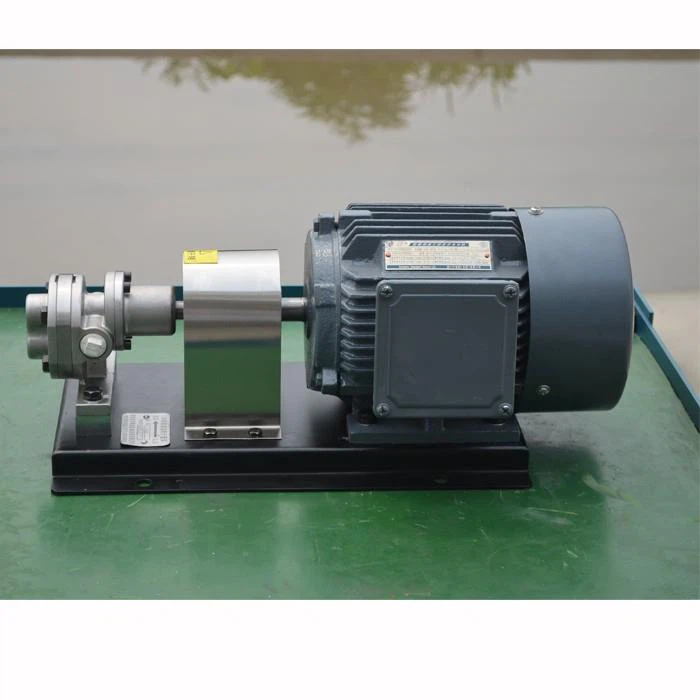
When it comes to industrial fluid transfer, Rotor Pumps are a popular choice due to their efficiency and reliability. As a Rotor Pump supplier, I understand the importance of safety when using these pumps. In this blog post, I will discuss the safety precautions that should be taken when using a Rotor Pump to ensure the well - being of operators and the longevity of the equipment.
Pre - operation Safety Precautions
1. Familiarize with the Pump Manual
Before operating a Rotor Pump, it is crucial to thoroughly read and understand the manufacturer's manual. The manual provides detailed information about the pump's specifications, installation requirements, operating procedures, and maintenance guidelines. It also includes safety warnings and precautions specific to the model of the Rotor Pump you are using. For more information about our Rotor Pumps, you can visit our Rotor Pump page.
2. Inspect the Pump and its Components
Conduct a visual inspection of the pump and all its components before starting. Check for any signs of damage, such as cracks, leaks, or loose fittings. Inspect the motor, belts, couplings, and seals to ensure they are in good condition. Any damaged parts should be replaced immediately to prevent further damage and potential safety hazards.
3. Ensure Proper Installation
The Rotor Pump must be installed correctly according to the manufacturer's instructions. It should be mounted on a stable and level surface to prevent vibration and ensure smooth operation. The inlet and outlet pipes should be properly connected and secured to avoid leaks. Make sure that the electrical connections are made by a qualified electrician and comply with all relevant electrical codes.
4. Check the Fluid Compatibility
The fluid being pumped must be compatible with the materials used in the Rotor Pump. Incompatible fluids can cause corrosion, wear, and damage to the pump components. Refer to the pump's material compatibility chart in the manual to ensure that the fluid you are pumping is suitable for the pump. If you are unsure, consult with our technical support team.
Operational Safety Precautions
1. Start the Pump Correctly
Follow the correct start - up procedure outlined in the manual. This usually involves priming the pump if necessary, opening the inlet and outlet valves, and then starting the motor. Do not start the pump if the valves are closed, as this can cause excessive pressure build - up and damage the pump.
2. Monitor the Pump Operation
During operation, continuously monitor the pump's performance. Check the pressure, flow rate, and temperature gauges regularly to ensure they are within the normal operating range. Listen for any unusual noises or vibrations, which could indicate a problem with the pump. If you notice any abnormal conditions, stop the pump immediately and investigate the cause.
3. Avoid Overloading the Pump
Do not operate the Rotor Pump beyond its rated capacity. Overloading the pump can cause overheating, excessive wear, and premature failure. Make sure that the fluid viscosity, temperature, and flow rate are within the pump's specifications. If you need to increase the flow rate or pressure, consult with our experts to determine if a larger or more suitable pump is required.
4. Wear Appropriate Personal Protective Equipment (PPE)
Operators should wear appropriate PPE when working with Rotor Pumps. This may include safety glasses, gloves, and protective clothing. PPE helps to protect the operator from potential hazards such as splashing fluids, flying debris, and electrical shock.
5. Keep the Work Area Clean and Organized
A clean and organized work area reduces the risk of accidents. Remove any clutter or obstacles around the pump. Keep the floor dry to prevent slips and falls. Ensure that all tools and equipment are stored properly when not in use.
Maintenance - related Safety Precautions
1. Perform Regular Maintenance
Regular maintenance is essential to keep the Rotor Pump in good working condition and to prevent safety hazards. Follow the maintenance schedule recommended in the manual, which may include tasks such as lubrication, filter replacement, and inspection of the pump components.
2. Lock - out/Tag - out Procedures
Before performing any maintenance or repair work on the Rotor Pump, follow the lock - out/tag - out procedures. This involves shutting off the power supply to the pump, locking the breaker or switch, and tagging it to indicate that maintenance is being performed. This prevents accidental start - up of the pump during maintenance, which could cause serious injury.
3. Use the Correct Tools and Techniques
When performing maintenance or repair work, use the correct tools and techniques. Do not use makeshift tools or methods that could damage the pump or pose a safety risk. If you are unsure how to perform a particular maintenance task, consult with our technical support team or a qualified technician.
Safety Precautions for Specific Types of Rotor Pumps
1. Electric Gear Pump
For Electric Gear Pumps, in addition to the general safety precautions, pay special attention to the electrical safety. Ensure that the pump is properly grounded to prevent electrical shock. Check the electrical insulation regularly to ensure it is in good condition. Do not touch the electrical components with wet hands or in a wet environment.
2. Epoxy Resin Gear Metering Extrusion Pump
When using an Epoxy Resin Gear Metering Extrusion Pump, be aware of the potential hazards associated with epoxy resin. Epoxy resin can be toxic and cause skin and eye irritation. Wear appropriate PPE, including chemical - resistant gloves and goggles. Work in a well - ventilated area to prevent inhalation of fumes.
Conclusion
Safety is of utmost importance when using a Rotor Pump. By following the safety precautions outlined in this blog post, you can ensure the safe and efficient operation of the pump, protect your operators from potential hazards, and extend the lifespan of the equipment. If you have any questions or need further assistance regarding the safety of our Rotor Pumps, please do not hesitate to contact us. We are committed to providing you with high - quality pumps and excellent technical support. Whether you are looking to purchase a new Rotor Pump or need advice on its operation and maintenance, our team of experts is here to help. Reach out to us today to start a procurement discussion and find the best solution for your industrial fluid transfer needs.

References
- Manufacturer's manuals for Rotor Pumps, Electric Gear Pumps, and Epoxy Resin Gear Metering Extrusion Pumps.
- Industrial safety standards and guidelines related to pump operation and maintenance.





