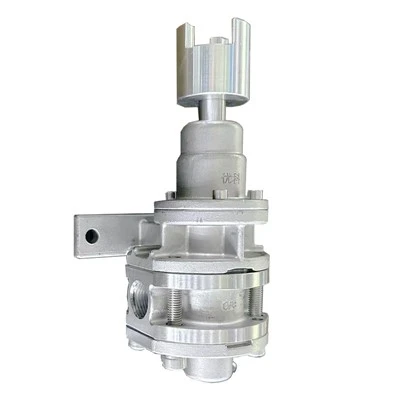
As a supplier of CAM Rotor Pumps, I've encountered a wide range of issues with these pumps over the years. In this blog, I'll discuss some of the most common problems with CAM Rotor Pumps and provide practical solutions to address them.
1. Leakage
One of the most prevalent issues with CAM Rotor Pumps is leakage. Leakage can occur at various points in the pump, such as the shaft seals, gaskets, or connections. This problem can lead to fluid loss, reduced efficiency, and potential environmental hazards.
Causes
- Worn Seals: Over time, the shaft seals can wear out due to friction, chemical exposure, or high temperatures. This wear can cause gaps in the seals, allowing fluid to leak out.
- Improper Installation: Incorrect installation of seals, gaskets, or connections can also lead to leakage. For example, if a gasket is not properly aligned or tightened, it can create a pathway for fluid to escape.
- Corrosion: Corrosion of the pump components can weaken the seals and gaskets, making them more prone to leakage. This is especially common in pumps that handle corrosive fluids.
Solutions
- Replace Worn Seals: Regularly inspect the shaft seals and replace them as soon as signs of wear are detected. Use high-quality seals that are compatible with the fluid being pumped and the operating conditions of the pump.
- Ensure Proper Installation: Follow the manufacturer's installation instructions carefully when installing seals, gaskets, and connections. Use the correct tools and torque specifications to ensure a tight and secure fit.
- Prevent Corrosion: Use corrosion-resistant materials for the pump components, such as stainless steel or coated metals. Implement a preventive maintenance program that includes regular cleaning and inspection to detect and address corrosion early.
2. Low Flow or Pressure
Another common problem with CAM Rotor Pumps is low flow or pressure. This can result in reduced productivity, inefficient operation, and even system failures.
Causes
- Clogged Inlet or Outlet: Debris, dirt, or foreign objects can accumulate in the inlet or outlet of the pump, restricting the flow of fluid. This can be caused by improper filtration, poor maintenance, or a contaminated fluid source.
- Worn Rotors or Stators: Over time, the rotors and stators of the pump can wear out due to friction and abrasion. This can reduce the clearance between the rotors and stators, resulting in a decrease in flow and pressure.
- Incorrect Pump Size or Speed: Using a pump that is too small or operating it at the wrong speed can also lead to low flow or pressure. The pump may not be able to generate enough power to meet the requirements of the system.
Solutions
- Clean the Inlet and Outlet: Regularly inspect and clean the inlet and outlet of the pump to remove any debris or foreign objects. Install a proper filtration system to prevent contaminants from entering the pump.
- Replace Worn Rotors and Stators: If the rotors and stators are worn beyond the acceptable limits, replace them with new ones. Ensure that the replacement parts are of the correct size and specifications for the pump.
- Select the Right Pump Size and Speed: Consult with a pump expert to determine the appropriate pump size and speed for your application. Consider factors such as the flow rate, pressure requirements, fluid viscosity, and temperature of the system.
3. Noise and Vibration
Excessive noise and vibration are not only annoying but can also indicate underlying problems with the CAM Rotor Pump. These issues can lead to premature wear and failure of the pump components, as well as damage to the surrounding equipment.
Causes
- Misalignment: If the pump is not properly aligned with the motor or other components, it can cause excessive vibration and noise. This can be due to improper installation, foundation problems, or thermal expansion.
- Loose Components: Loose bolts, nuts, or other components can also cause vibration and noise. Over time, the vibration can cause these components to loosen further, leading to more serious problems.
- Cavitation: Cavitation occurs when the pressure in the pump drops below the vapor pressure of the fluid, causing bubbles to form and collapse. This can result in a loud noise and damage to the pump components.
Solutions
- Align the Pump Properly: Use a laser alignment tool or other appropriate methods to ensure that the pump is properly aligned with the motor and other components. Check the alignment regularly and make adjustments as needed.
- Tighten Loose Components: Regularly inspect the pump and tighten any loose bolts, nuts, or other components. Use a torque wrench to ensure that the components are tightened to the correct specifications.
- Prevent Cavitation: To prevent cavitation, ensure that the pump is operating within the recommended pressure and temperature ranges. Increase the inlet pressure if necessary, and use a proper suction line design to minimize pressure losses.
4. Overheating
Overheating is a serious problem that can damage the pump components and reduce the lifespan of the pump. It can also pose a safety hazard to the operators and the surrounding environment.
Causes
- Insufficient Lubrication: Proper lubrication is essential for the smooth operation of the pump. If the lubricant level is low or the lubricant is contaminated, it can cause excessive friction and heat generation.
- High Operating Temperature: Operating the pump at a temperature that is higher than the recommended range can also lead to overheating. This can be due to a variety of factors, such as a high fluid temperature, poor ventilation, or a malfunctioning cooling system.
- Excessive Load: Overloading the pump by operating it at a higher flow rate or pressure than it is designed for can cause it to overheat. This can be caused by a system malfunction or an incorrect pump selection.
Solutions
- Maintain Proper Lubrication: Check the lubricant level regularly and add or replace the lubricant as needed. Use a high-quality lubricant that is compatible with the pump components and the operating conditions.
- Monitor and Control the Operating Temperature: Install a temperature sensor on the pump to monitor the operating temperature. If the temperature exceeds the recommended range, take steps to reduce it, such as increasing the ventilation or cooling the fluid.
- Avoid Overloading the Pump: Ensure that the pump is operating within its designed capacity. If necessary, adjust the flow rate or pressure to prevent overloading.
Conclusion
In conclusion, CAM Rotor Pumps are reliable and efficient pumping solutions, but they can experience a variety of problems over time. By understanding the common problems and their solutions, you can take proactive measures to prevent these issues from occurring and ensure the optimal performance of your pumps.
If you are experiencing any problems with your CAM Rotor Pumps or need help selecting the right pump for your application, please feel free to contact us. We are a leading supplier of CAM Rotor Pumps and other pumping solutions, and we have the expertise and experience to provide you with the best products and services.
In addition to CAM Rotor Pumps, we also offer a wide range of other pumps, including Gear Metering Pump With High Precision, Polyurethane Glue Pump Stainless Steel Gear Metering Pump, and LM481 Special Gear Pump. Our products are known for their high quality, reliability, and performance, and we are committed to providing our customers with the best value for their money.


Contact us today to learn more about our products and services and to discuss your specific pumping needs. We look forward to working with you!
References
- Pump Handbook, Karassik et al.
- Centrifugal Pumps: Design and Application, Stepanoff.
- Positive Displacement Pumps: Operation and Maintenance, Baird.