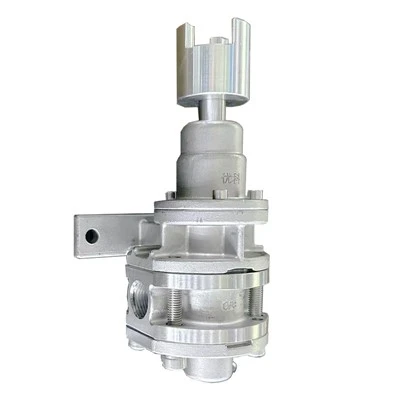
Hey there! As a supplier of Grinding Agent Pumps, I've seen firsthand how crucial it is to pick the right pump for your needs. It can be a real head - scratcher, but don't worry, I'm here to break it down for you.
Understanding Your Requirements
First things first, you've got to figure out what you actually need the Grinding Agent Pump for. Different industries have different demands. For instance, in the cement industry, you'll need a pump that can handle the specific properties of cement grinding agents. The Grinding Agent Pump for Cement is specially designed for this kind of task. Cement grinding agents can be abrasive and have unique flow characteristics. You need a pump that can deal with these factors without wearing out too quickly.
If you're in an environment where corrosion is a big concern, then a Corrosion Resistant Pump is the way to go. Some grinding agents can be quite corrosive, especially if they contain certain chemicals. A corrosion - resistant pump will have materials that can withstand the chemical attacks, ensuring a longer lifespan and fewer maintenance issues.
Flow Rate and Pressure
Flow rate and pressure are two of the most important factors when choosing a Grinding Agent Pump. The flow rate refers to how much fluid the pump can move in a given amount of time, usually measured in liters per minute or gallons per minute. You need to determine the required flow rate based on your production needs. If your operation requires a large amount of grinding agent to be pumped continuously, you'll need a pump with a high flow rate.
Pressure, on the other hand, is about the force with which the pump can push the fluid. Different applications require different levels of pressure. For example, if you're pumping the grinding agent over a long distance or through a narrow pipe, you'll need a pump that can generate enough pressure to overcome the resistance. You don't want a pump that can't deliver the grinding agent to where it's needed because of insufficient pressure.
Pump Type
There are several types of Grinding Agent Pumps available, and each has its own advantages and disadvantages. One common type is the gear pump. Gear pumps are known for their reliability and ability to handle viscous fluids. They work by using two gears that mesh together to move the fluid. The Grinding Aid Special Pump is often a gear - type pump, designed specifically for grinding agents.
Another type is the centrifugal pump. Centrifugal pumps use a rotating impeller to create a centrifugal force that moves the fluid. They are great for handling large volumes of fluid at relatively low pressures. However, they may not be as effective for highly viscous grinding agents.
Material of Construction
The material of the pump's construction is also very important. As mentioned earlier, if you're dealing with corrosive grinding agents, you need a pump made of corrosion - resistant materials such as stainless steel or certain types of plastics. The internal components, like the gears or impellers, should also be made of materials that can withstand the wear and tear caused by the abrasive nature of some grinding agents.


The casing of the pump should be strong enough to hold the pressure and protect the internal components. It's also important to consider the seals and gaskets. These are the parts that prevent the fluid from leaking out of the pump. They need to be made of materials that are compatible with the grinding agent to avoid any leakage issues.
Maintenance and Serviceability
Let's face it, no one wants a pump that's a pain in the neck to maintain. When choosing a Grinding Agent Pump, you should look for one that is easy to maintain. This includes things like easy access to internal components for cleaning and replacement. Some pumps have a modular design, which means you can easily replace individual parts without having to replace the whole pump.
You also want to consider the availability of spare parts. If a part breaks down, you don't want to wait weeks or months for a replacement. A good supplier should be able to provide you with spare parts quickly and at a reasonable price.
Cost - Benefit Analysis
Cost is always a factor when making a purchase. However, it's important not to just go for the cheapest option. You need to do a cost - benefit analysis. A more expensive pump may have a higher upfront cost, but it could save you money in the long run. For example, a high - quality corrosion - resistant pump may cost more initially, but it will last longer and require less maintenance, which means lower overall costs over its lifespan.
On the other hand, a cheap pump may break down frequently, leading to production downtime and the cost of repairs and replacements. You should also consider the energy consumption of the pump. A more energy - efficient pump may cost a bit more, but it will save you money on your electricity bills over time.
Supplier Reputation
The reputation of the supplier is also crucial. You want to work with a supplier who has a good track record of providing high - quality products and excellent customer service. A reliable supplier will be able to answer your questions, provide you with technical support, and help you choose the right pump for your needs.
You can check online reviews and ask for references from other customers. A good supplier will be happy to provide you with references and will have positive reviews from satisfied customers.
Conclusion
Choosing the right Grinding Agent Pump is not an easy task, but by considering all the factors mentioned above, you can make an informed decision. Whether you need a Corrosion Resistant Pump, a Grinding Agent Pump for Cement, or a Grinding Aid Special Pump, make sure you take the time to evaluate your needs and choose a pump that meets those needs.
If you're still not sure which pump is right for you, don't hesitate to get in touch. We're here to help you make the best choice for your operation. Whether you're just starting out or looking to upgrade your existing pump, we can provide you with the information and support you need.
References
- "Pump Handbook" by Igor J. Karassik
- Industry reports on Grinding Agent Pumps from various manufacturers and research firms.