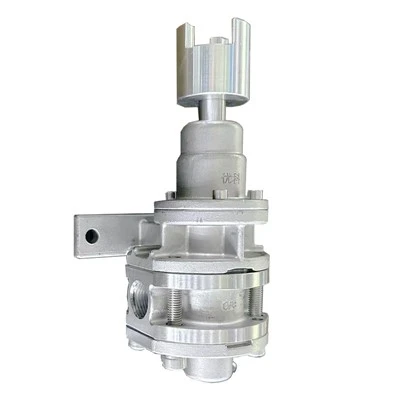
Hey there! As a supplier of High Viscosity Pumps, I've had my fair share of discussions with customers about how different factors affect pump performance. One question that comes up a lot is, "What is the effect of pipe length on high viscosity pump performance?" Well, let's dive right in and break it down.
Basics of High Viscosity Pumps
First off, let's quickly go over what high viscosity pumps are. These pumps are designed to handle fluids with a high resistance to flow, like thick oils, syrups, and adhesives. Unlike pumps for low - viscosity fluids, high viscosity pumps need to generate enough force to move these thick substances through the system. We offer a range of pumps, including the High Viscosity External Gear Metering Pump and High Viscosity External Gear Metering Pumps, which are great for precise metering of high - viscosity fluids.
How Pipe Length Affects Pump Performance
Pressure Drop
One of the most significant effects of pipe length on high viscosity pump performance is pressure drop. When a high - viscosity fluid flows through a pipe, it experiences resistance. The longer the pipe, the more resistance the fluid encounters. This resistance causes a drop in pressure along the length of the pipe.
Imagine trying to push a thick paste through a long straw. The farther you have to push it, the harder it gets. In a pump system, the pump has to work harder to overcome this pressure drop. If the pipe is too long, the pump might not be able to generate enough pressure to move the fluid at the desired flow rate. This can lead to a decrease in the overall efficiency of the pump.
Flow Rate
Pipe length also has a direct impact on the flow rate of the high - viscosity fluid. As the pressure drop increases with longer pipes, the flow rate tends to decrease. The pump has a certain capacity to generate pressure and move fluid. When the pressure drop due to pipe length becomes too large, the pump can't maintain the same flow rate.


Let's say you have a pump that's designed to deliver a specific volume of high - viscosity fluid per minute. If you increase the pipe length, the fluid will flow more slowly, and you might not get the amount of fluid you need at the end of the pipe. This can be a real problem in industrial processes where precise flow rates are crucial, like in the Special Pump For Solvent - free Laminating Machine.
Energy Consumption
Another aspect to consider is energy consumption. When the pump has to work harder to overcome the pressure drop caused by a long pipe, it uses more energy. This means higher operating costs for you. In today's world, where energy efficiency is a top priority, having a pump system with excessive pipe length can be a real drawback.
Shear Stress
High - viscosity fluids are also sensitive to shear stress. As the fluid flows through a long pipe, the shear stress on the fluid can increase. This can change the properties of the fluid, especially if it's a non - Newtonian fluid. Non - Newtonian fluids have a viscosity that changes depending on the shear rate. An increase in shear stress due to long pipe lengths can alter the fluid's viscosity, which in turn can affect the pump's performance.
Finding the Right Balance
So, how do you find the right balance between pipe length and pump performance? Well, it all comes down to proper system design.
Calculating Pressure Drop
The first step is to calculate the pressure drop for different pipe lengths. There are various formulas and software available that can help you do this. By knowing the expected pressure drop, you can select a pump that has enough power to overcome it.
Choosing the Right Pipe Diameter
The diameter of the pipe also plays a crucial role. A larger pipe diameter can reduce the pressure drop for a given flow rate. So, when designing your system, consider using a larger pipe diameter if you need a longer pipe. However, keep in mind that larger pipes can be more expensive and take up more space.
Considering the Fluid Properties
Don't forget to take the properties of the high - viscosity fluid into account. Different fluids have different viscosities and flow characteristics. Some fluids might be more sensitive to pipe length than others. Understanding the fluid's behavior will help you design a more efficient pump system.
Our Role as a Supplier
As a supplier of high viscosity pumps, we're here to help you make the right choices. We have a team of experts who can assist you in designing a pump system that takes into account all the factors, including pipe length. Whether you're using our High Viscosity External Gear Metering Pump or any other product, we can provide you with the technical support you need.
If you're facing issues with your current pump system due to pipe length or any other factor, or if you're planning a new installation, we'd love to have a chat. We can offer solutions that will improve the performance of your pump system, reduce energy consumption, and save you money in the long run.
Conclusion
In conclusion, pipe length has a significant impact on high viscosity pump performance. It affects pressure drop, flow rate, energy consumption, and shear stress. By carefully considering these factors and working with a knowledgeable supplier, you can design a pump system that operates efficiently and meets your specific needs.
If you're interested in learning more about our high viscosity pumps or need help with your pump system design, don't hesitate to reach out. We're always happy to discuss your requirements and find the best solutions for you. Let's work together to get the most out of your high viscosity pump system!
References
- "Fluid Mechanics" by Frank M. White
- "Pump Handbook" by Igor J. Karassik et al.